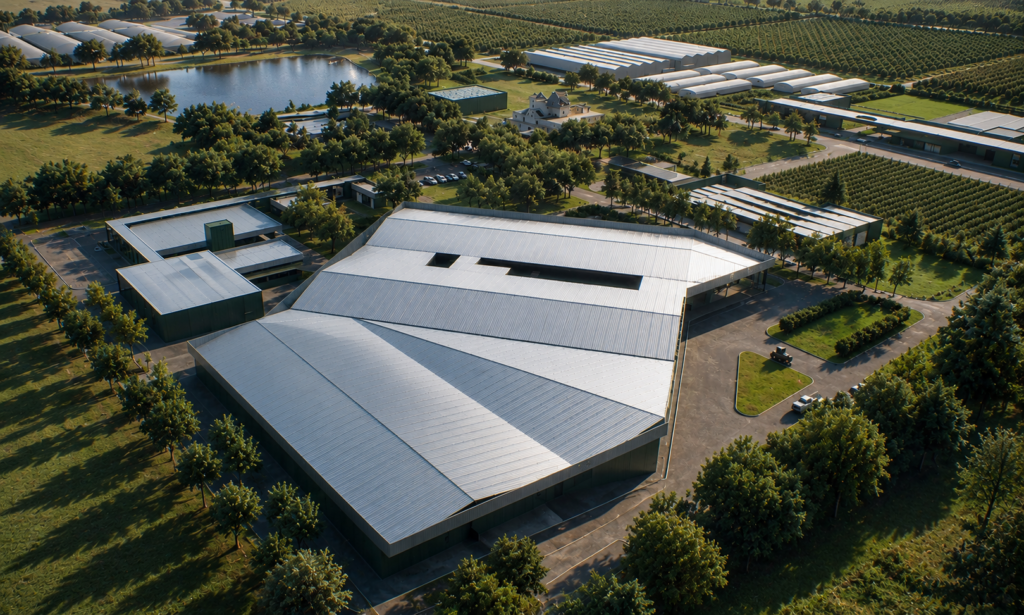
El Pongo Agro-Industrial Complex Masterplan
Perico, Jujuy, Argentina — 2022


Concept & Brand
CABA, Ciudad Autónoma de Buenos Aires, Argentina — 2025
Architecture is no longer only about designing buildings. Increasingly, it involves designing systems capable of connecting people, information, technology and space into a coherent experience. The Interactive Prado emerges from that perspective: a proposal where architecture expands beyond physical construction to organize a complex network of relationships between cultural heritage, artificial intelligence, itinerant logistics, digital narrative and human experience. The result is neither merely an exhibition nor a technological installation, but a new way of accessing knowledge, where every spatial, technological and operational decision works in an integrated way to transform the relationship between people and art.
The Interactive Prado is born from that question. The proposal imagines a new way of bringing one of the world’s most important art collections to diverse audiences, using artificial intelligence as a cultural mediation tool and architecture as an experiential device.
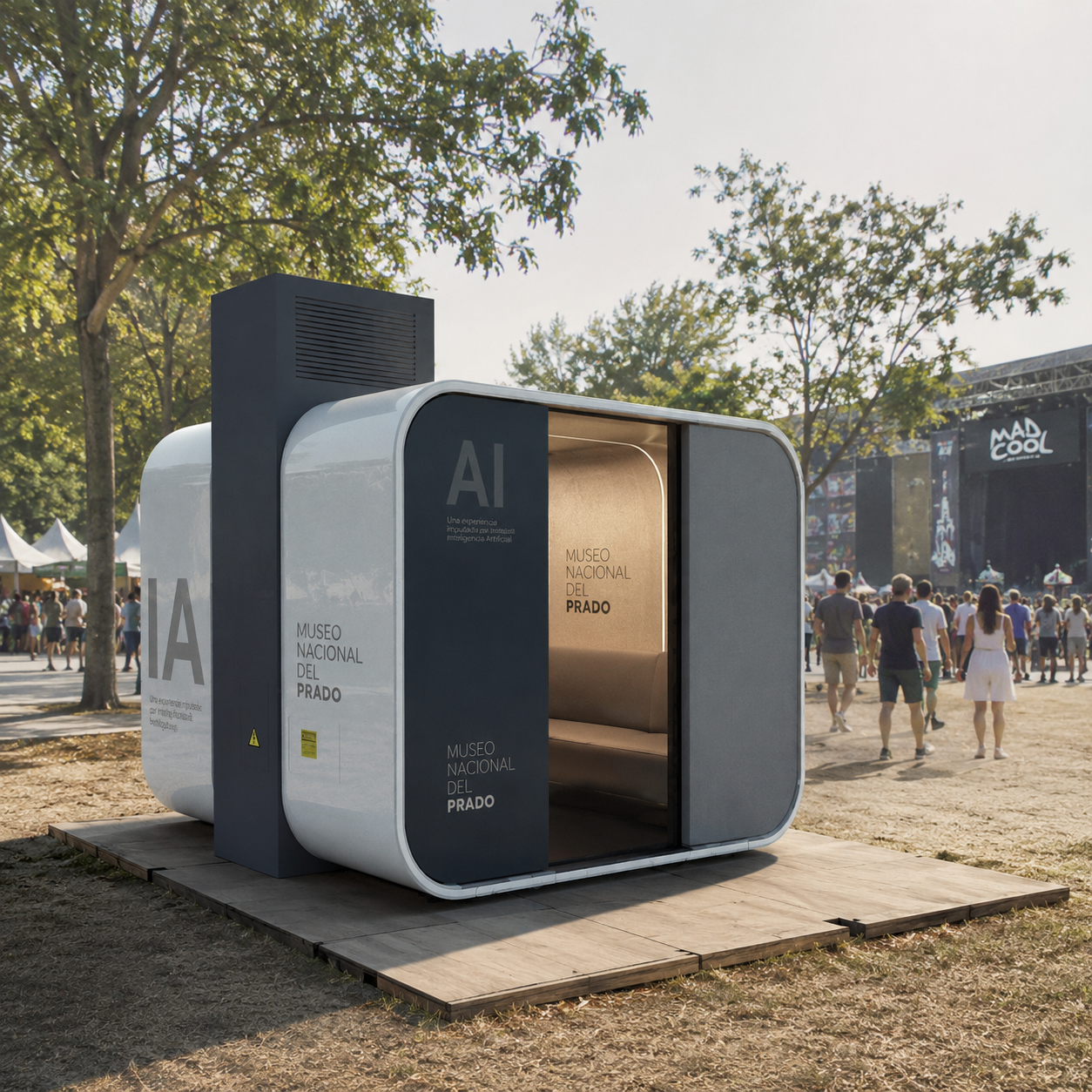
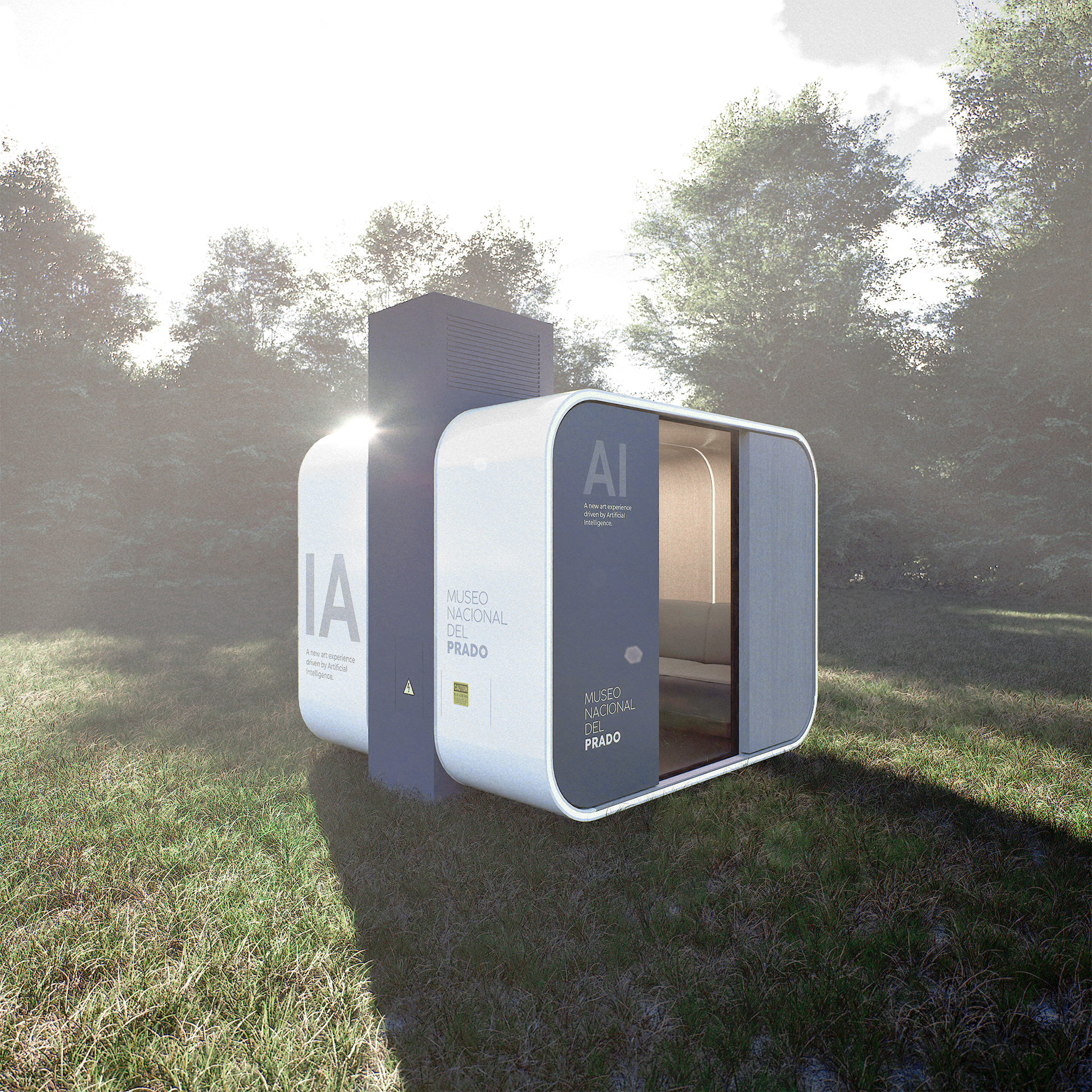
More than a traveling exhibition, the project proposes a cultural infrastructure capable of traveling, adapting, and deploying itself in different contexts, bringing the heritage of the Museo del Prado to cities that could hardly access it otherwise.
For centuries, the museum experience was based on predetermined routes and narratives built for mass audiences. The Interactive Prado proposes inverting that logic: building an experience capable of adapting to each visitor, to their interests, their level of knowledge, and their available time.
Artificial intelligence ceases to function as a technological tool and becomes a cultural mediator capable of interpreting interests, knowledge levels, ages, and preferences to build unique and unrepeatable paths.
The collection ceases to be presented as a static set of works and transforms into a dynamic universe of narratives, historical contexts, artistic connections, and personal discoveries.
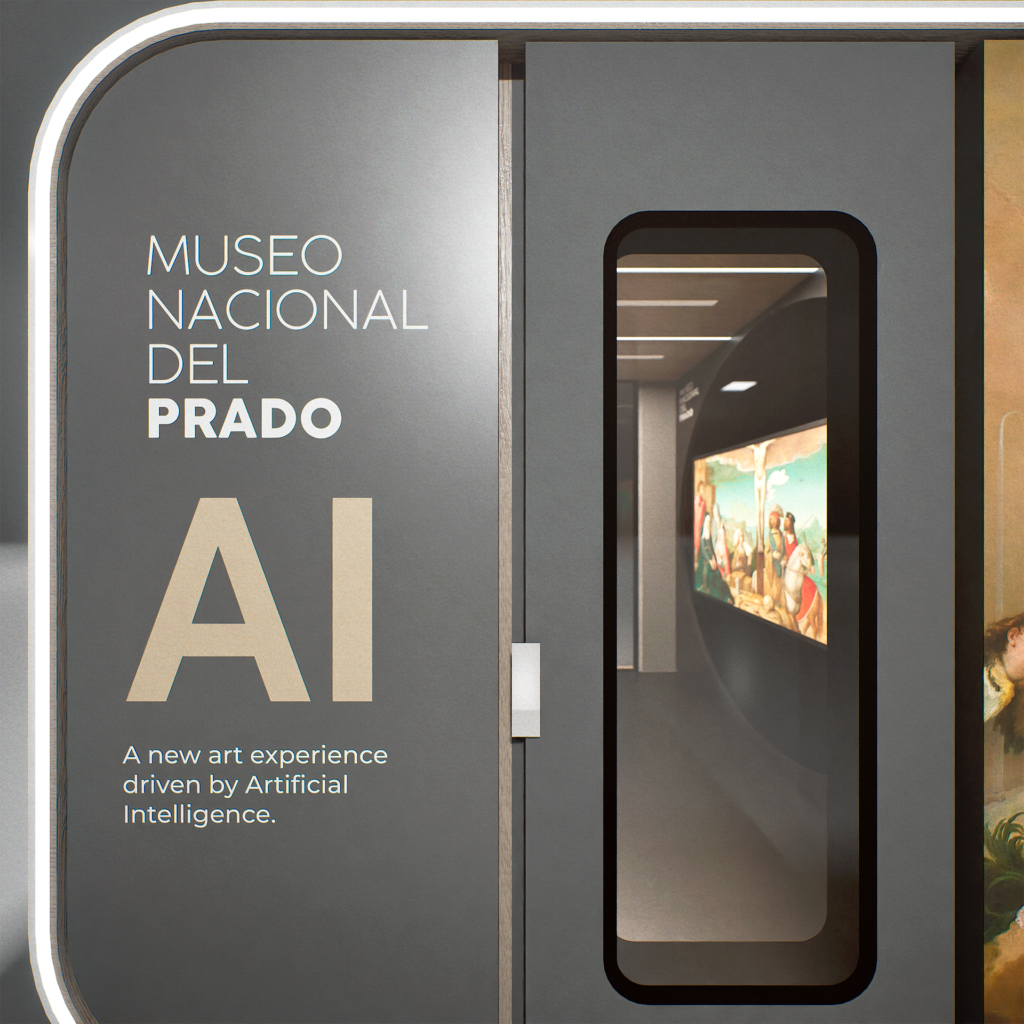
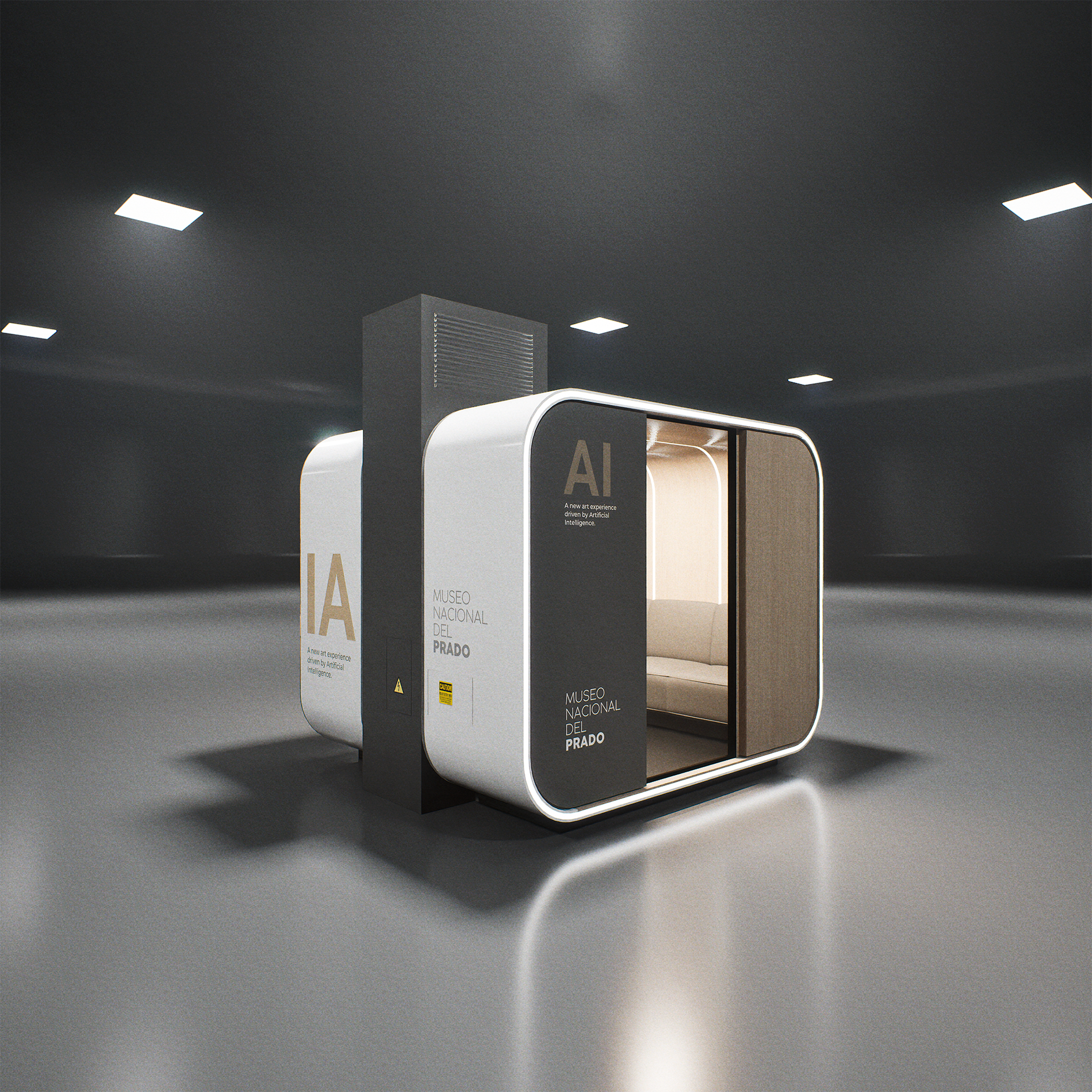
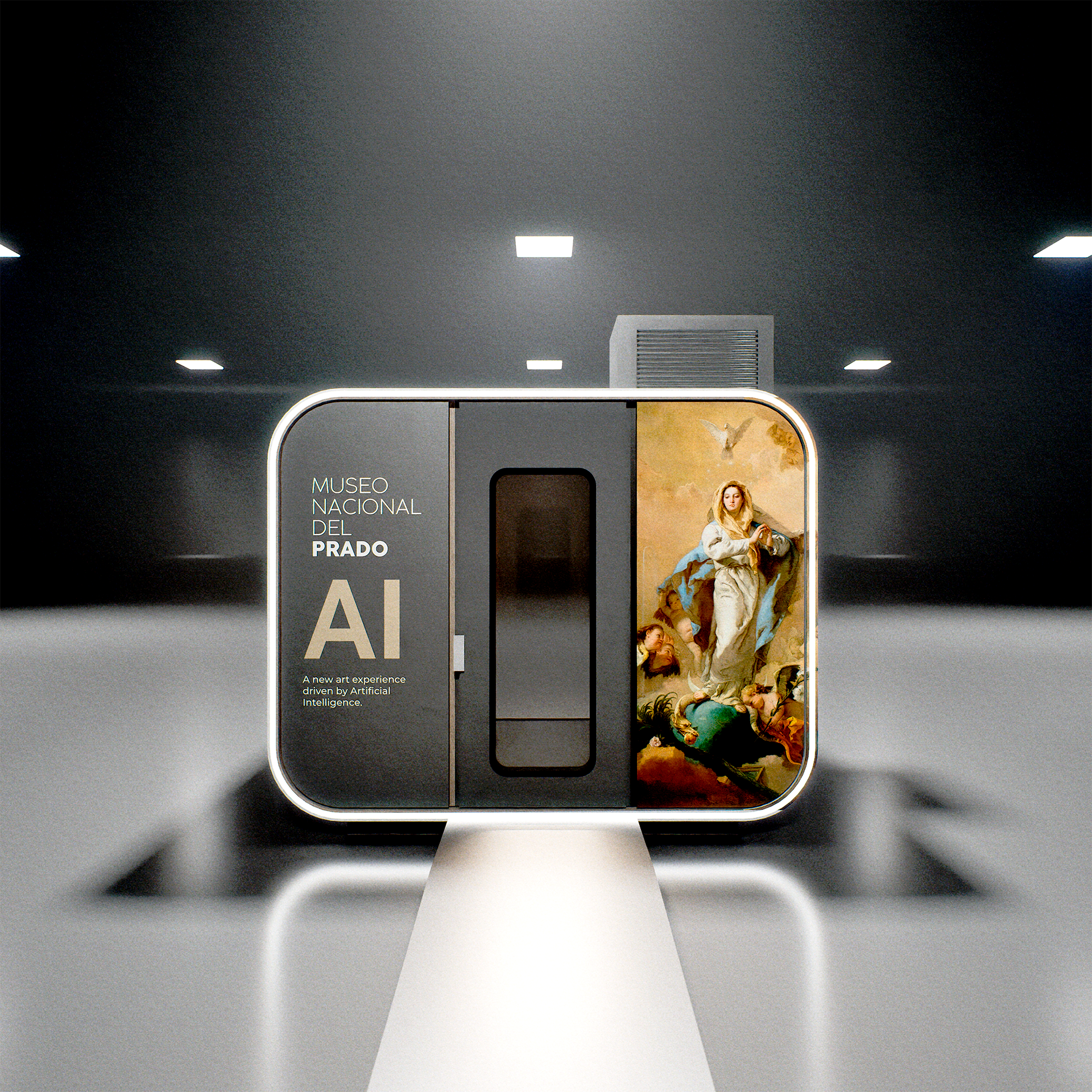
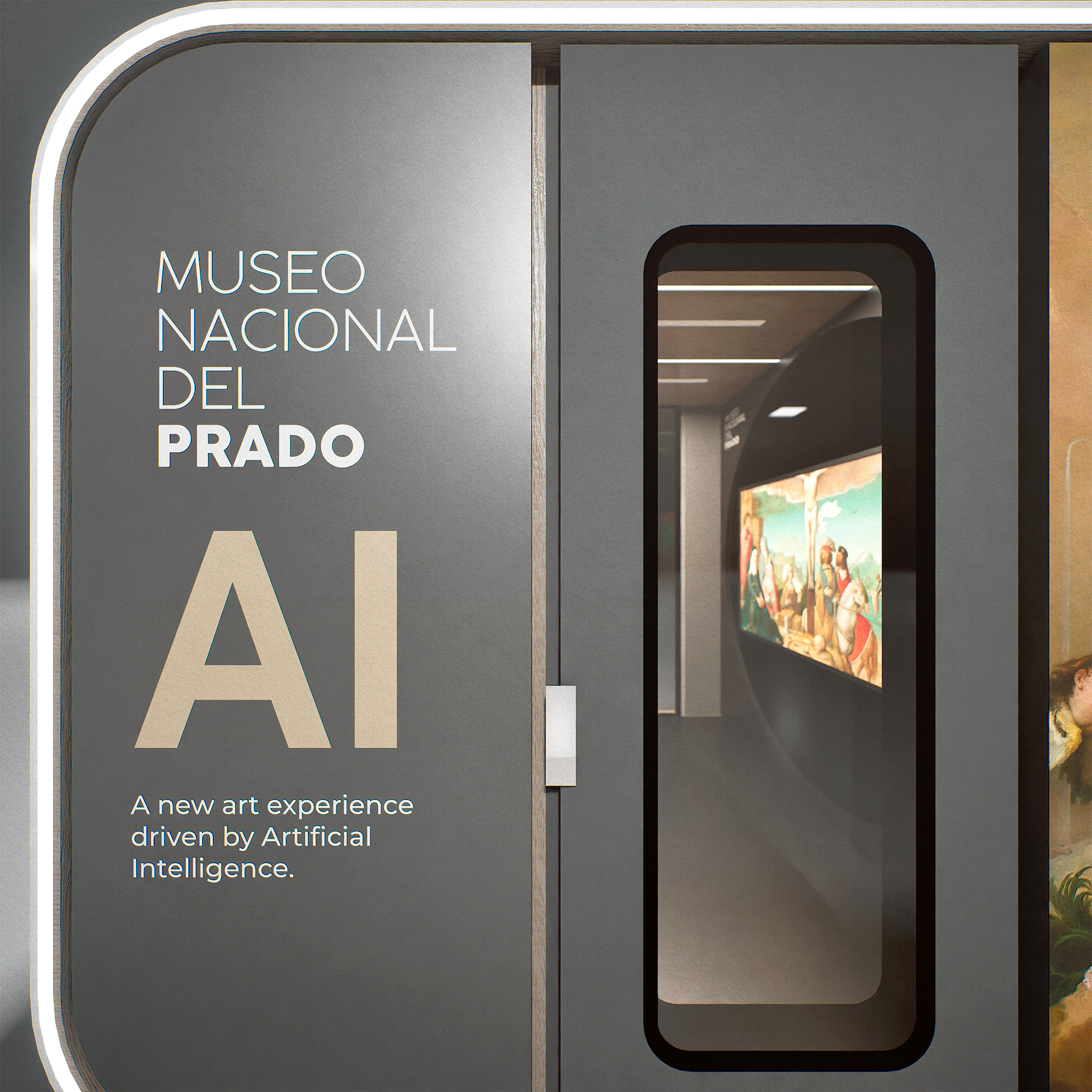
The experience materializes through a series of immersive modules designed to isolate the visitor from exterior noise and concentrate all attention on the work.
Each unit houses a large-format screen mounted on a motorized system capable of adapting to the different proportions of the exhibited pieces. The lighting, sound, and spatial arrangement work in a coordinated manner to build an atmosphere of deep contemplation.
The architecture disappears so that art can emerge.
The itinerant nature of the system constitutes one of the most innovative aspects of the proposal.
The experience can temporarily deploy in cities, schools, universities, cultural centers, or communities far from major museum circuits. The project turns access to culture into a possible right beyond geography.
In this way, cultural heritage ceases to be associated with a specific building and becomes an accessible, adaptable, and distributed experience.
Technological innovation is not the objective of the project, but its tool.
High-definition screens, interactive systems, conversational artificial intelligence, and dynamic content work in an integrated manner to generate a deeper, more personal, and more lasting experience than a conventional exhibition could offer.
Technology disappears behind the experience to allow each visitor to establish a direct relationship with the works, their histories, and the multiple meanings that art can evoke.
The Interactive Prado explores a possible scenario for 21st-century museums.
A model capable of combining heritage, education, architecture, and technology to broaden access to knowledge and bring art to new audiences. A flexible system that can grow, evolve, and adapt as available technologies and the cultural needs of each community change.
More than an exhibition, the project imagines a new cultural infrastructure for an increasingly connected, diverse, and distributed society.
 01 / 06