Cannava Pavilion 2022
La Rural, Avenida Sarmiento, Ciudad Autónoma de Buenos Aires, Argentina — 2022


Architecture
Lugones 1787, Villa Ortuzar, Ciudad Autónoma de Buenos Aires, Argentina — 2026
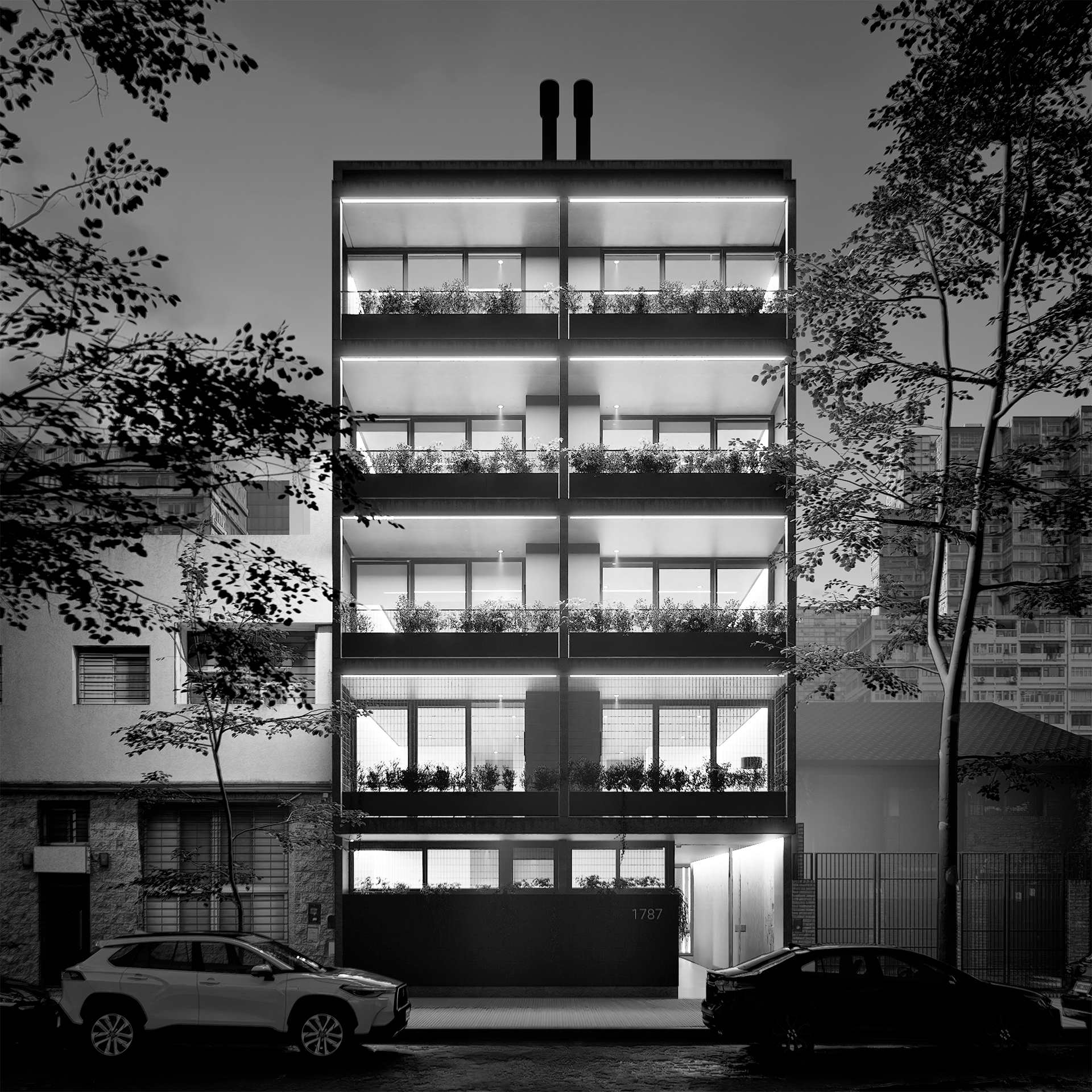
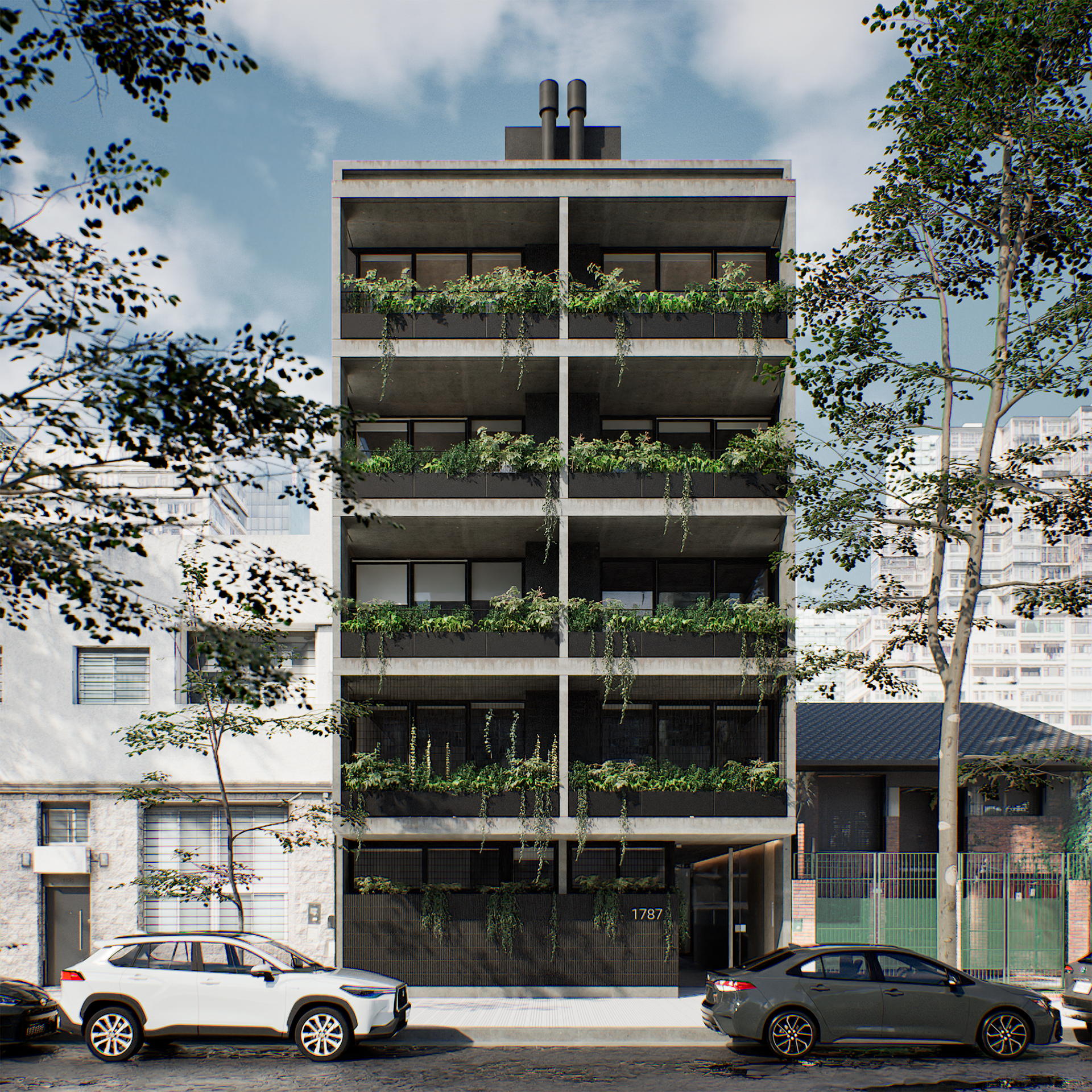
In an increasingly dense urban fabric, Lugones 1787 proposes an alternative form of collective housing: compact yet generous spaces, where vegetation, light and everyday outdoor life recover qualities once typical of living in a house. The project avoids excess and spectacle to focus on an honest, precise and deeply livable architecture, where every spatial decision seeks to improve the daily experience of those who inhabit it.
Lugones 1787 is born from a clear intention: to transform the traditional logic of the compact urban apartment into an experience closer to that of a single-family home. The project proposes a new balance between density, privacy, and permanent contact with the exterior.
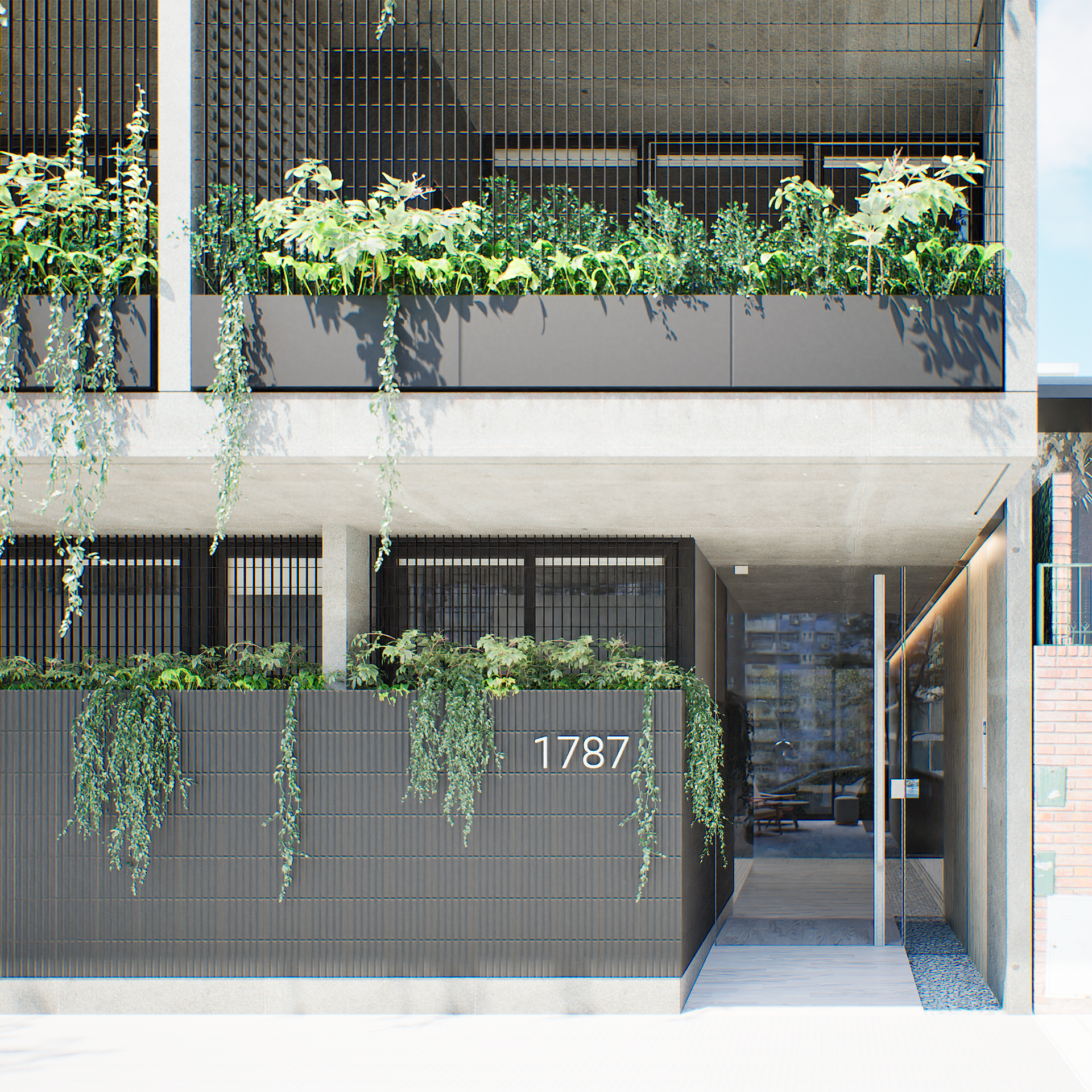
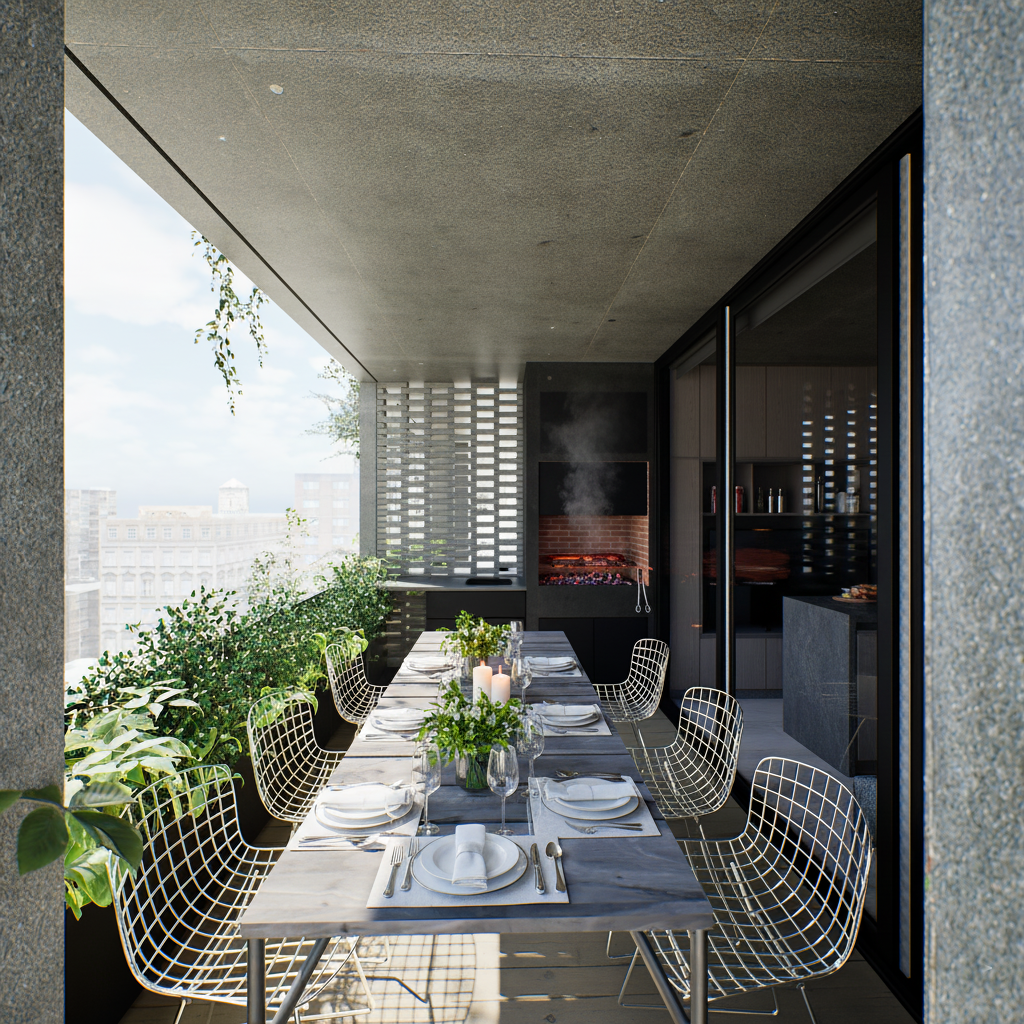
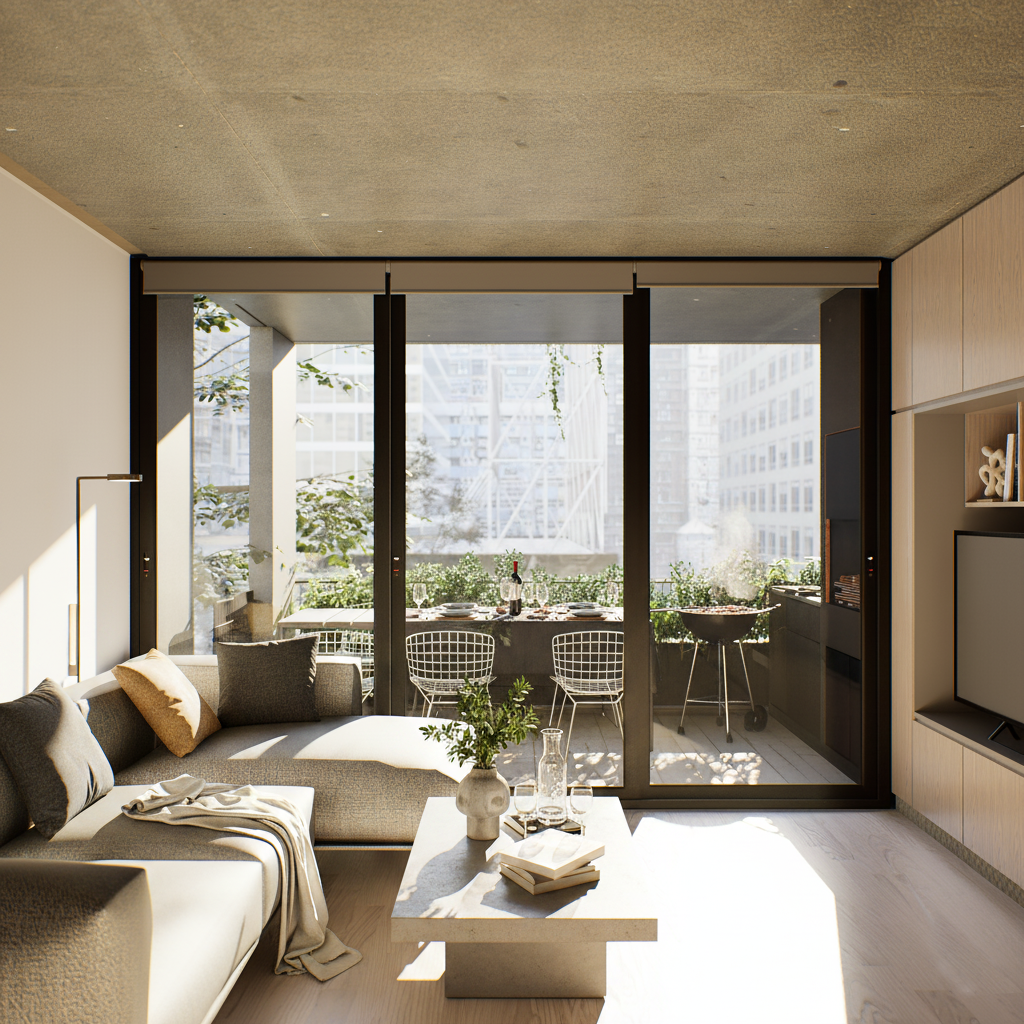
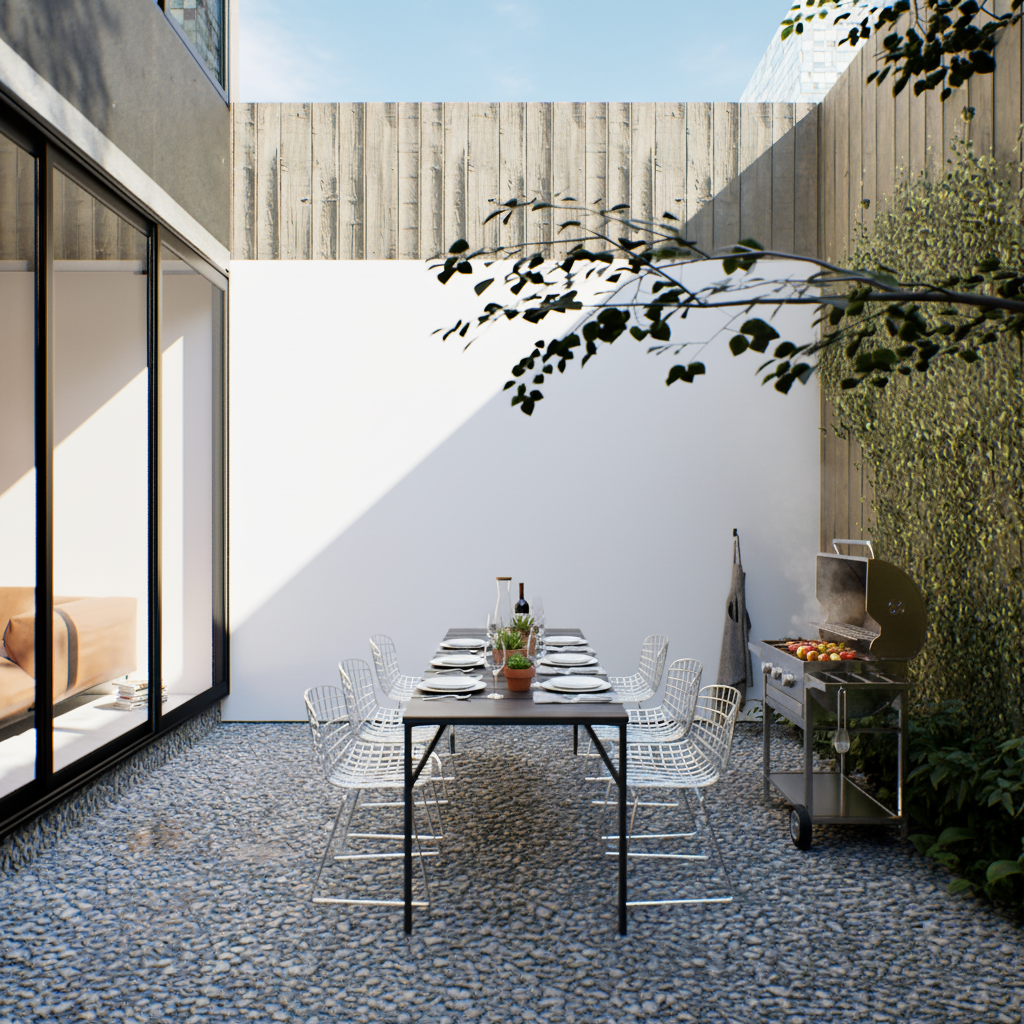
Each unit incorporates real and usable expansions as an integral part of the dwelling. Far from understanding balconies as mere accessory surfaces, the project conceives them as exterior rooms: concrete spaces where domestic life can extend into the open air.
The continuity between interior and exterior is reinforced through large window frames, integrated vegetation, and a spatial organization that seeks to extend the perception of space beyond the physical limits of the unit.
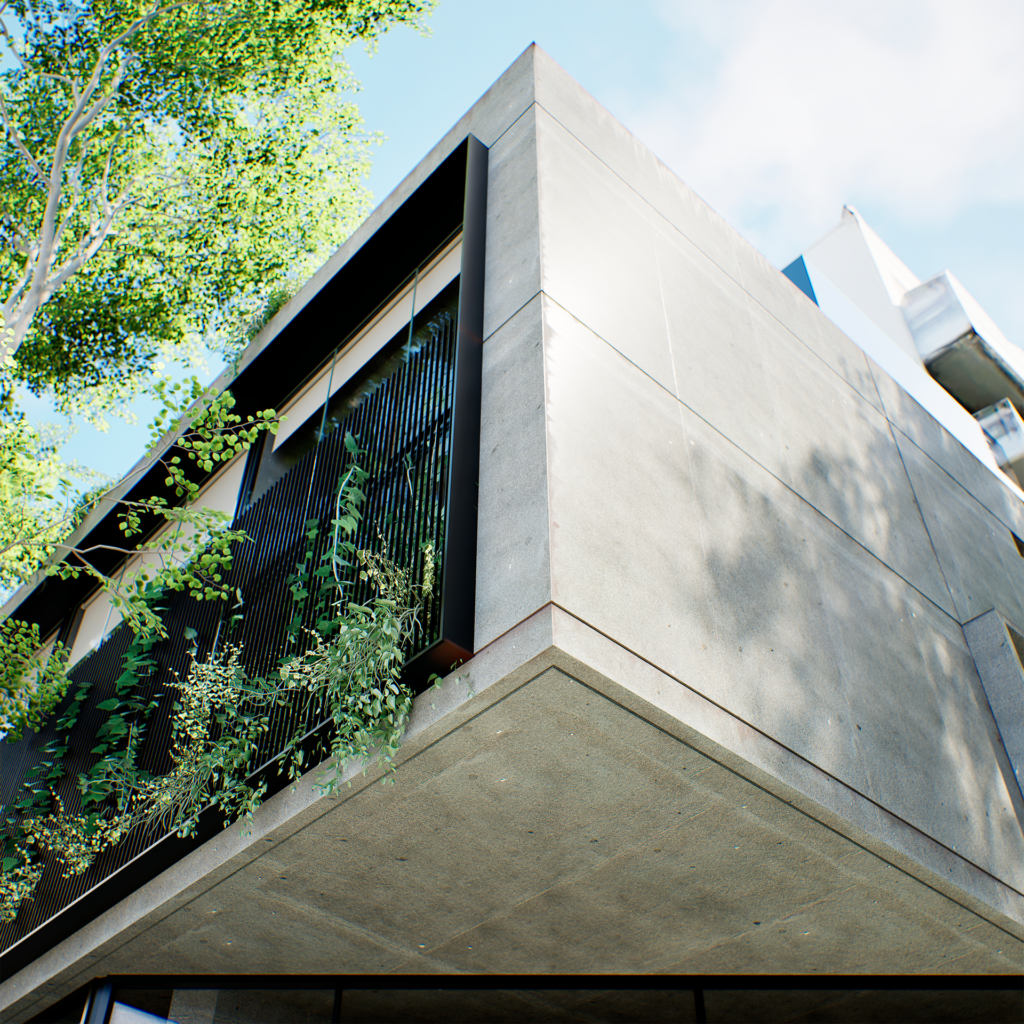
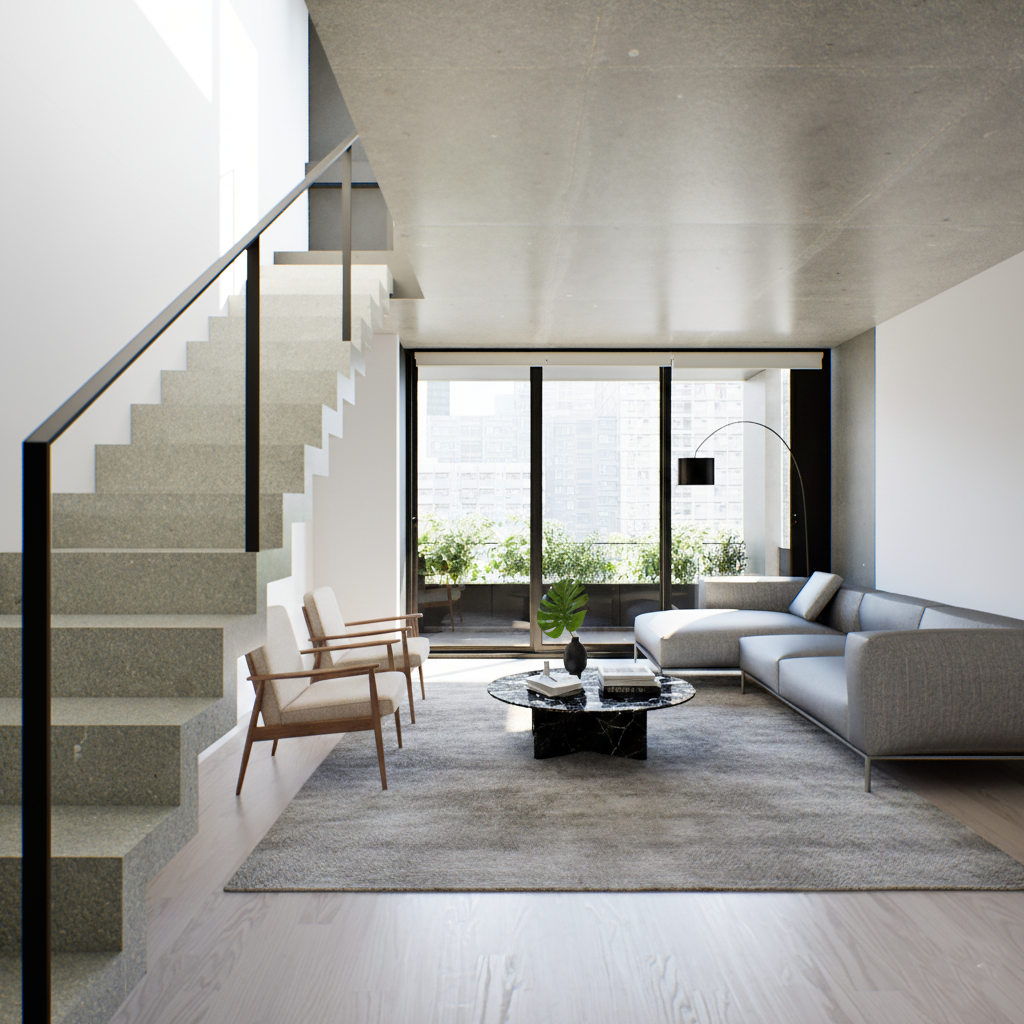
The building is organized around a rigorous and contained structure, where modulation and repetition allow for the construction of a sober, efficient, and timeless architecture. The materials are direct: concrete, aluminum, and glass, applied without unnecessary ornamentation.
The depth of the terraces and the repetition of the slabs generate a facade with a strong horizontal presence, where solids and voids build a serene and balanced rhythm that avoids compositional excess.
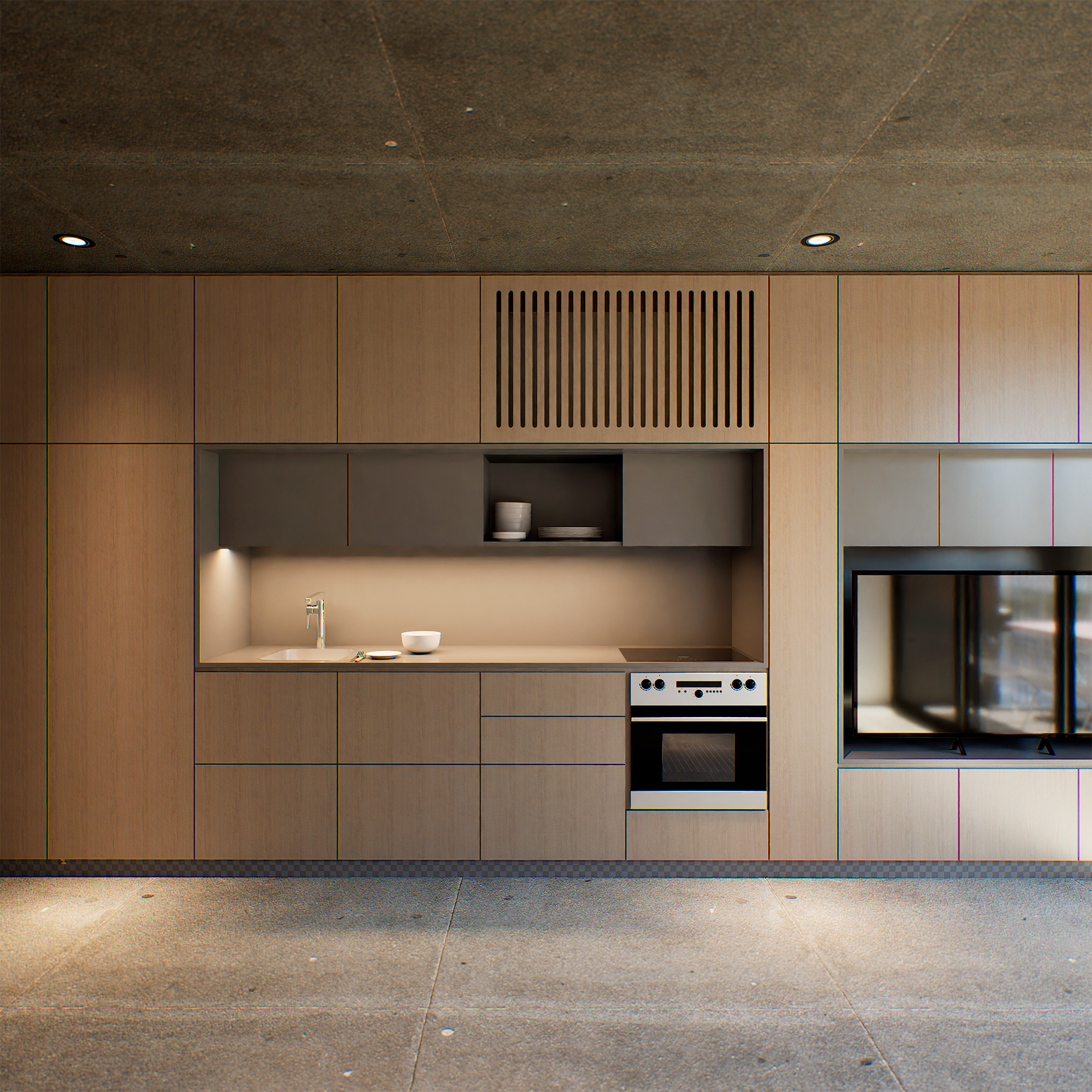
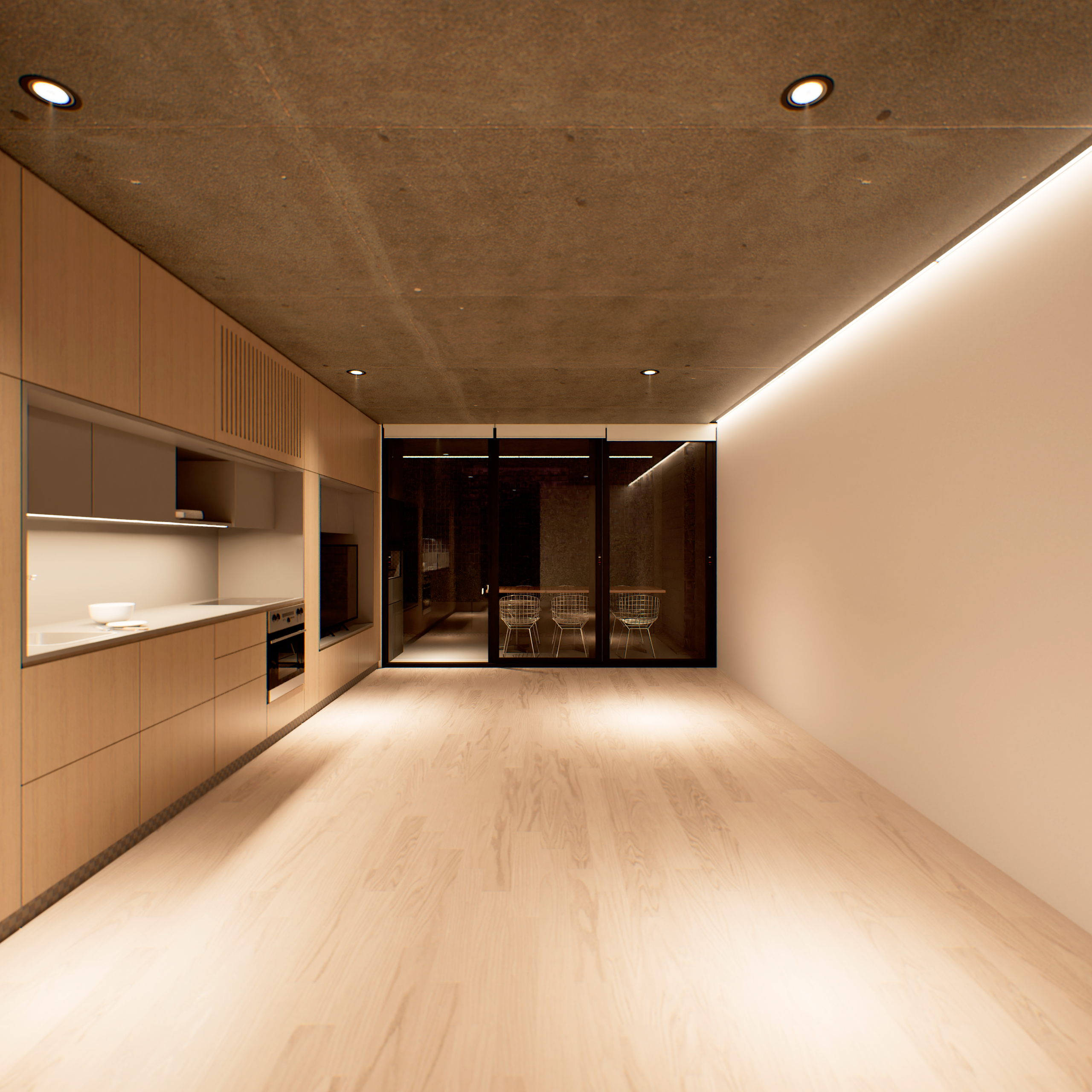
This pursuit of material honesty also runs through the interiors, where the spaces prioritize clarity, flexibility, and permanence over ephemeral or decorative elements.
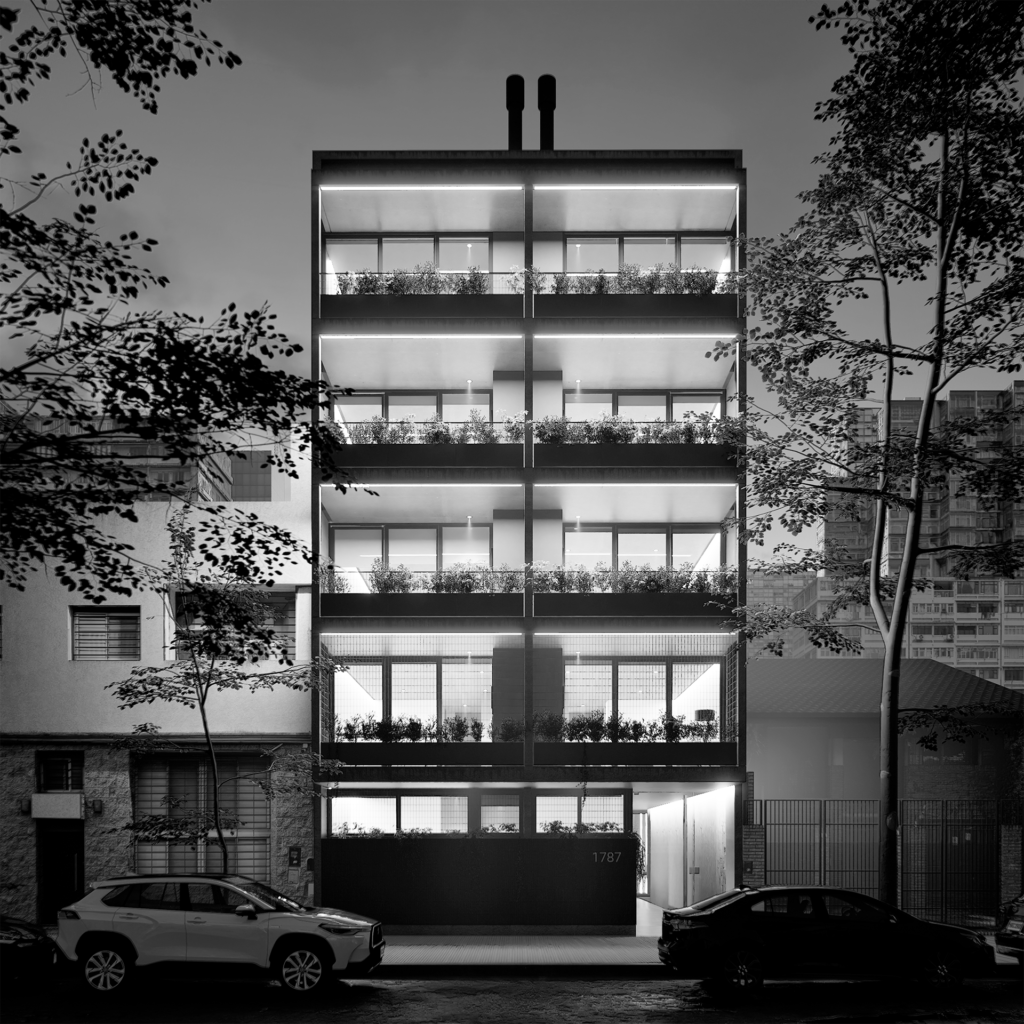
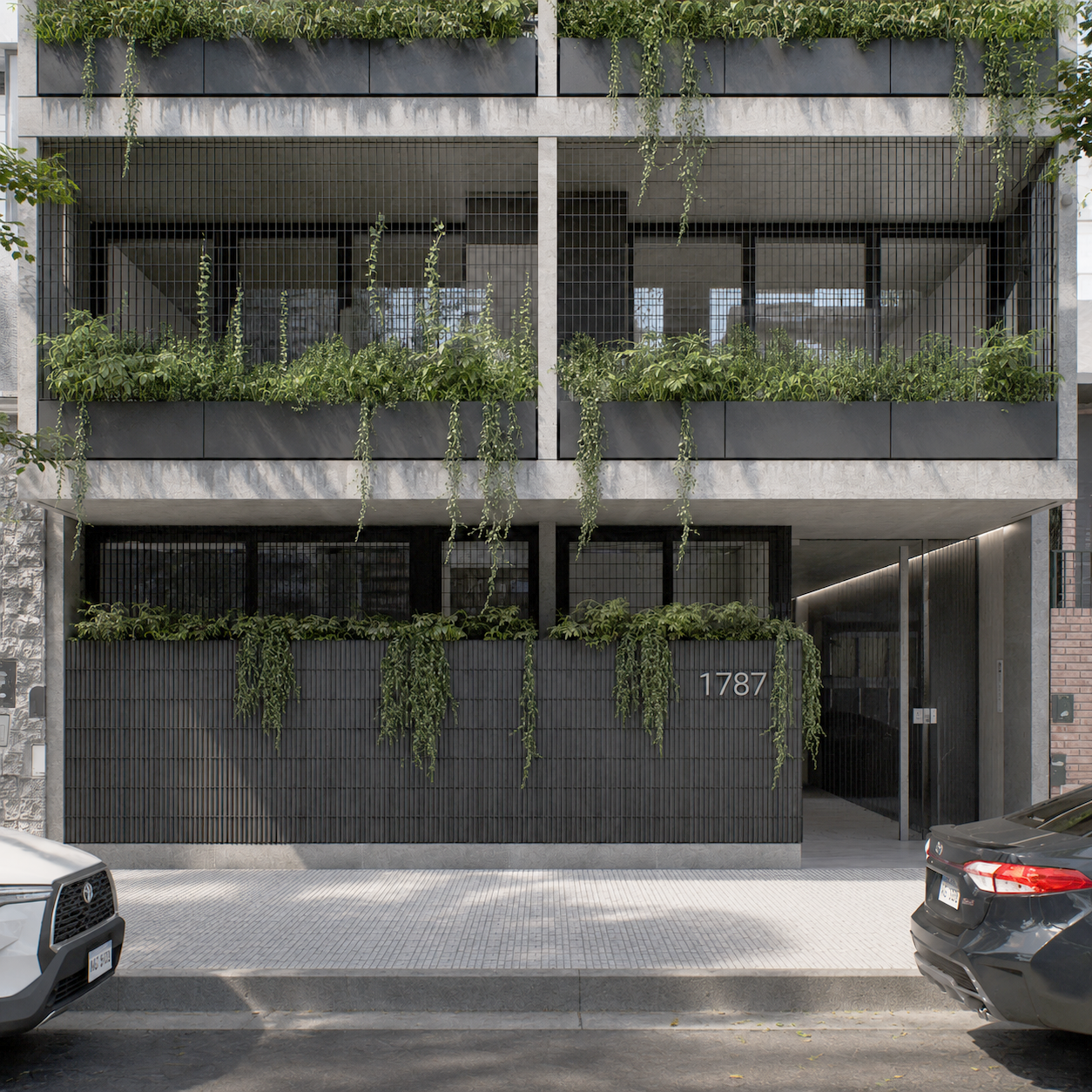
The incorporation of vegetation does not appear in the project as a scenographic element but as a constitutive part of the architecture. The green balconies function as light filters, temperature regulators, privacy generators, and visual connectors with the surroundings.
The expansions incorporate integrated irrigation systems and planters designed as a fixed part of the architecture, building a visible vegetated continuity both from the interior of the units and from the street.
The facade changes with time, incorporating growth, shadow, and natural variation as part of its identity.
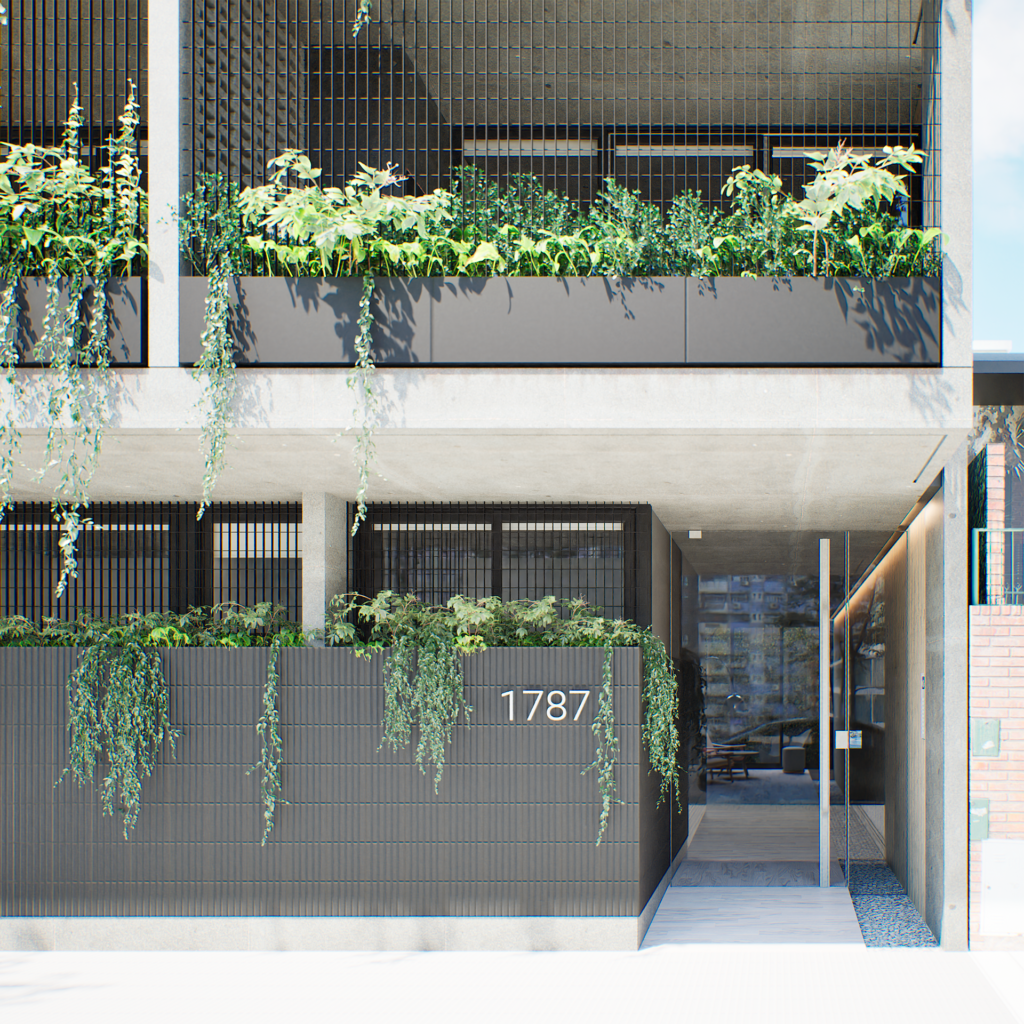
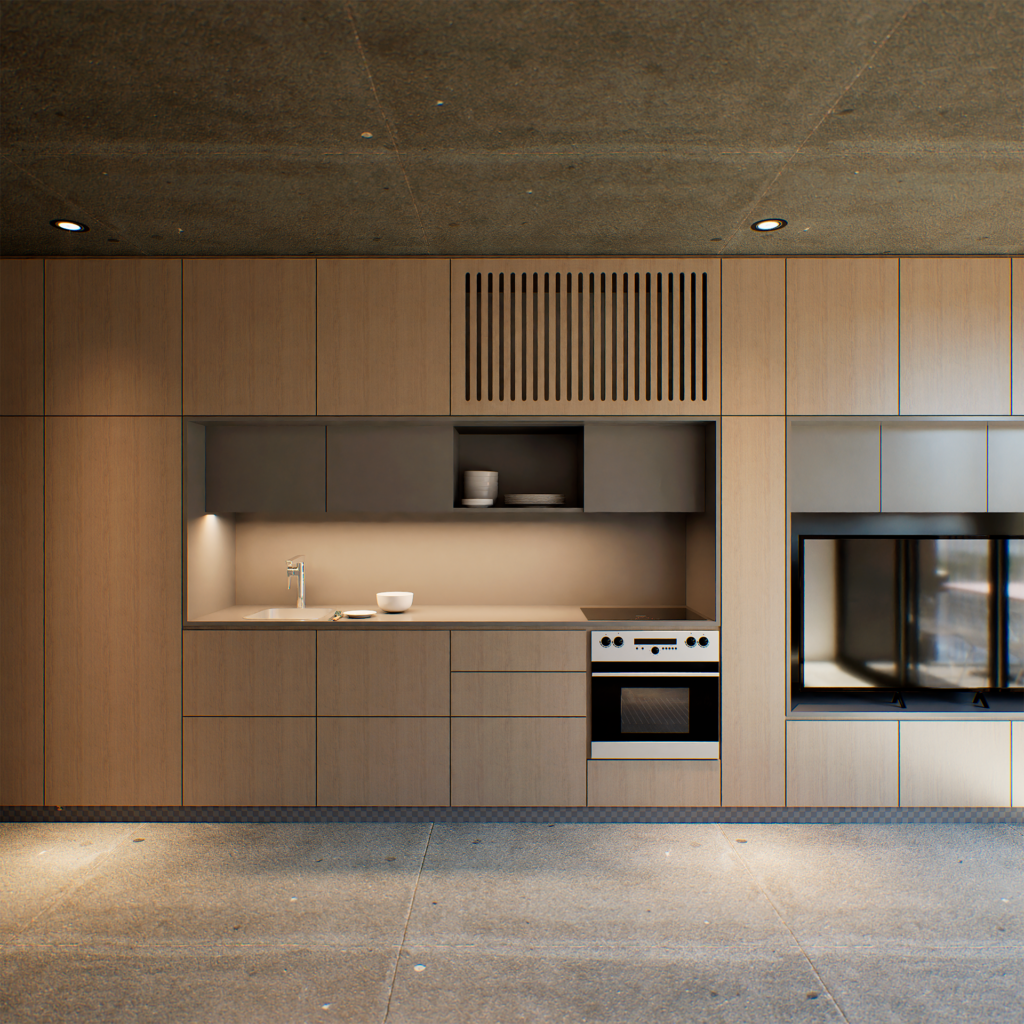
The project works on a precise optimization of surfaces without falling into the sensation of extreme compaction common in much of contemporary urban housing.
Integrated kitchens, built-in furniture, and efficient concentration of services free up usable area and build more open and flexible domestic spaces.
The architecture avoids technological excesses and artificial amenities to focus on what is truly essential: good light, ventilation, noble materiality, real exterior space, and enduring spatial quality.
Located within the DOHO corridor, on the boundary between Villa Urquiza and Belgrano R, Lugones 1787 is embedded in a neighborhood undergoing a process of gradual transformation, where the scale and quality of public space are still present and possible values.
The building adopts a deliberately contained scale, avoiding the logic of extreme maximization to prioritize spatial quality, privacy, and relationship with the immediate surroundings.
More than an autonomous object, the project seeks to integrate quietly into the existing urban fabric, contributing residential density without losing human scale or its relationship with public space.
 01 / 11