El Capricho
Club Privado El Ombú, Blas Parera, Tristán Suárez, Provincia de Buenos Aires, Argentina — 2025


Architecture
Los Reartes, Córdoba, Argentina — 2024
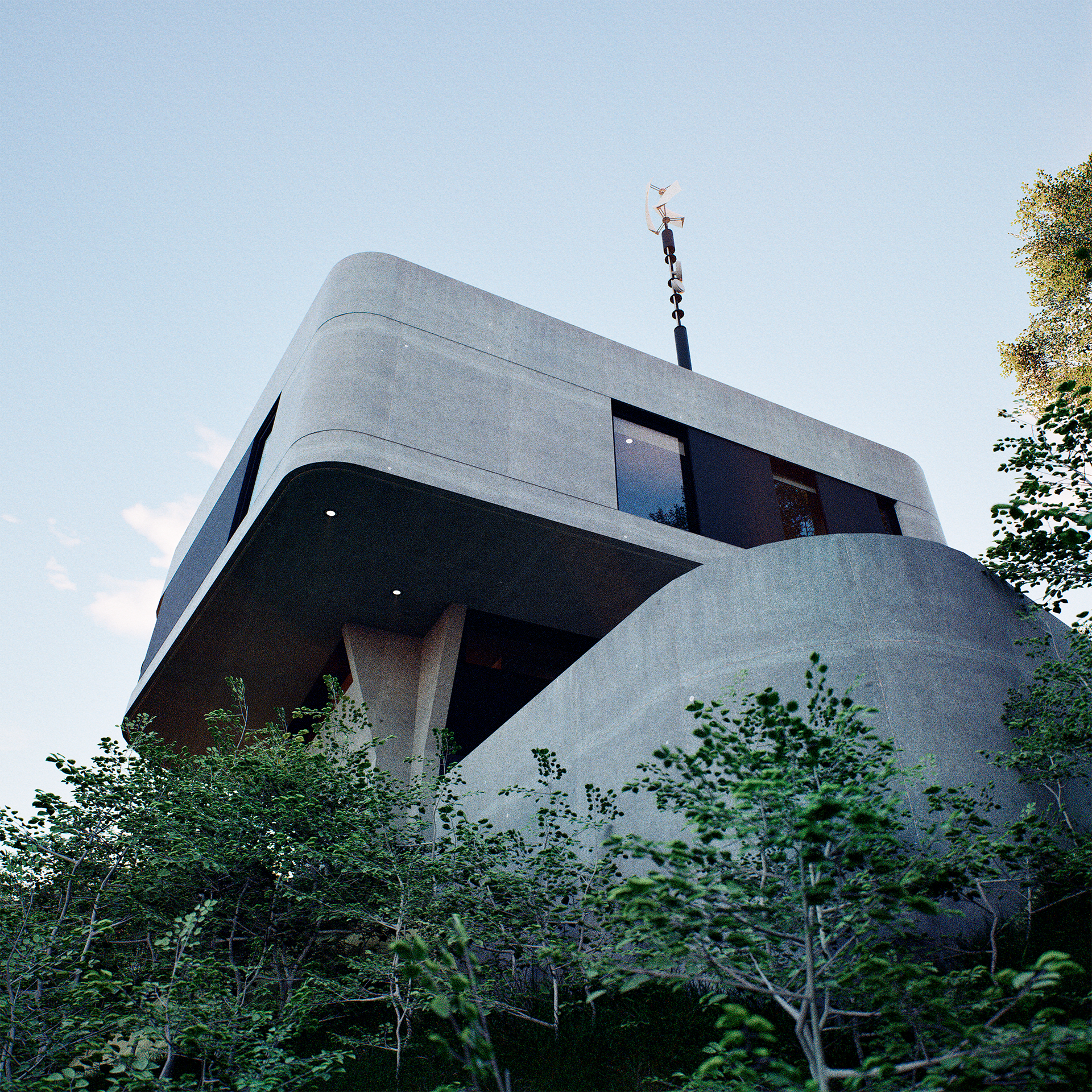
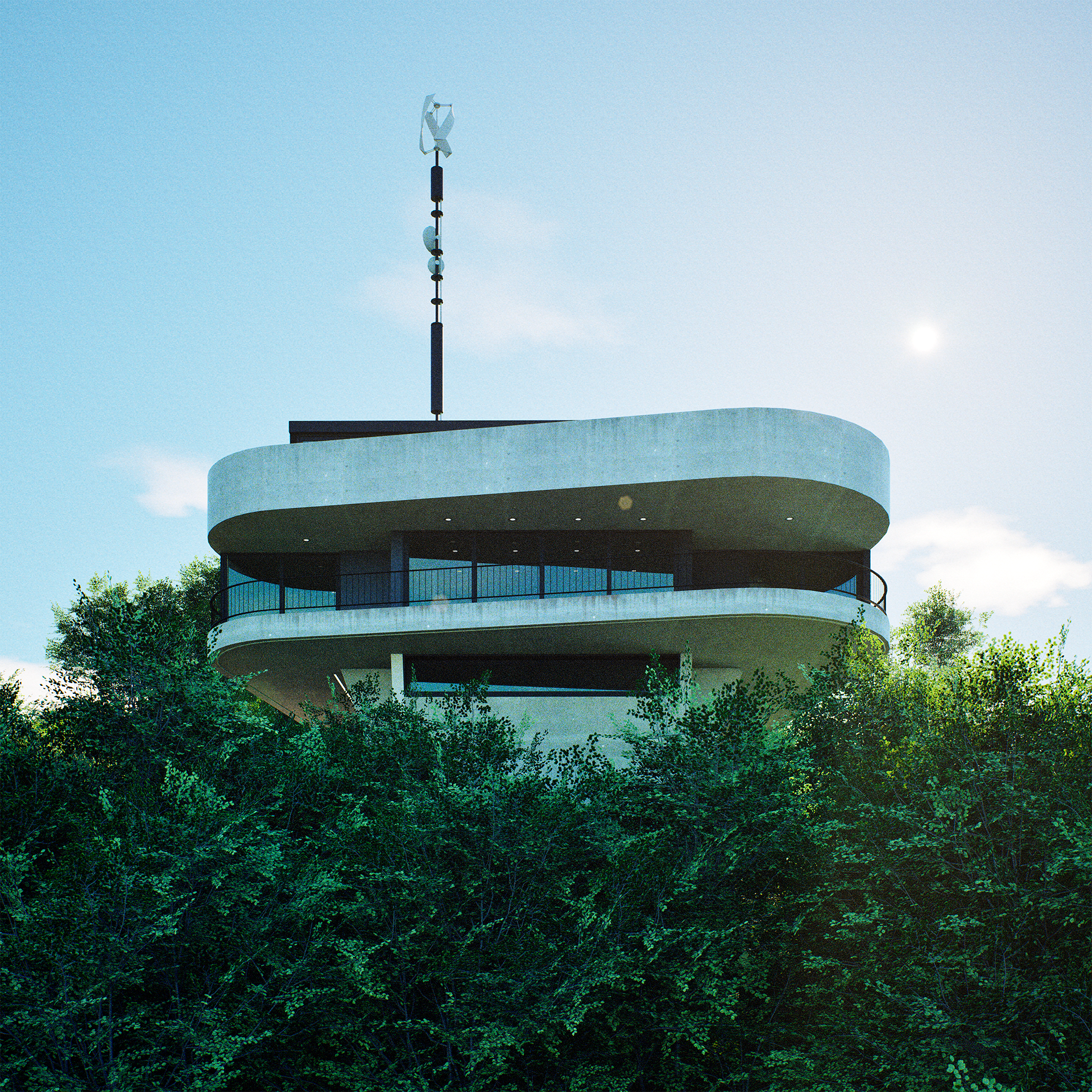
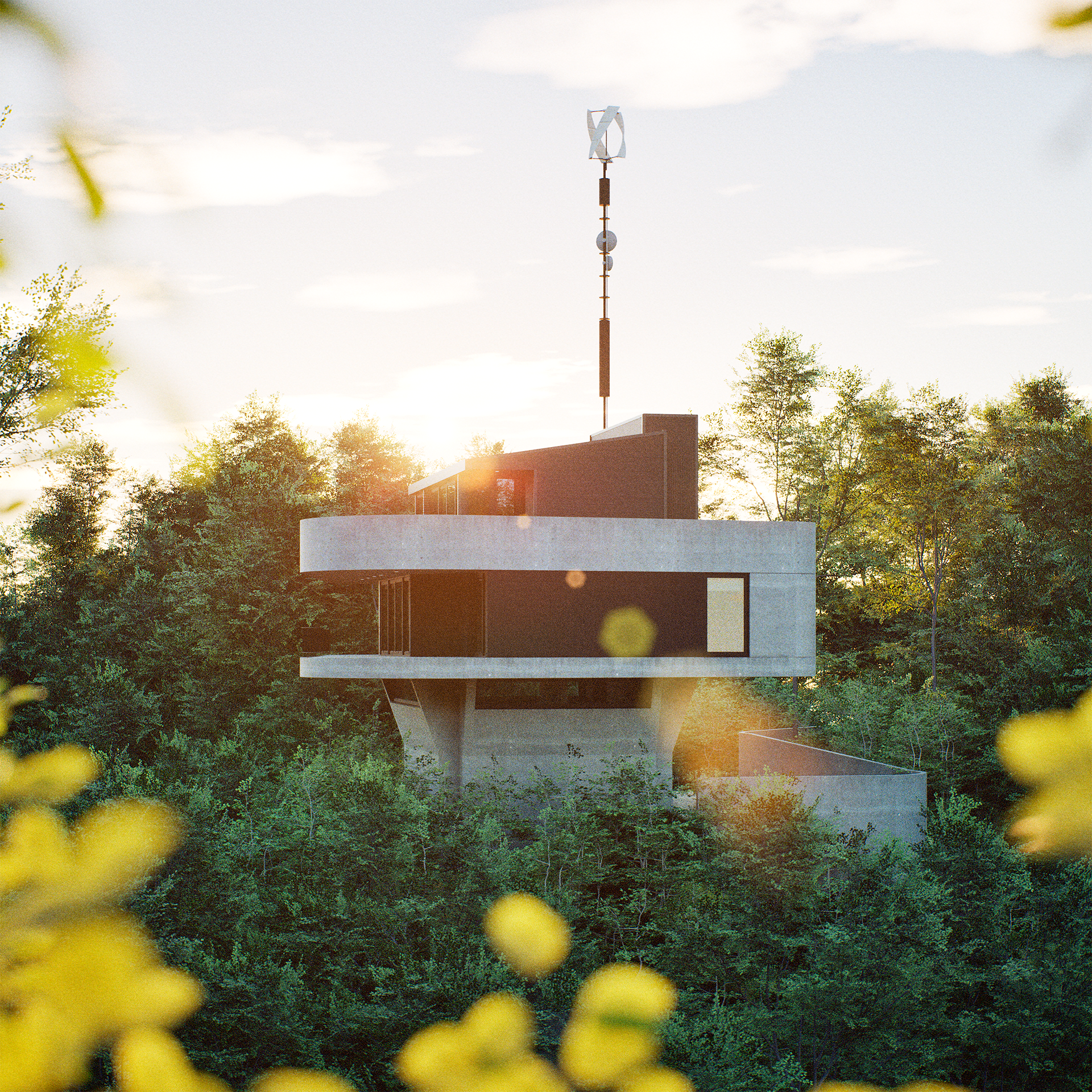
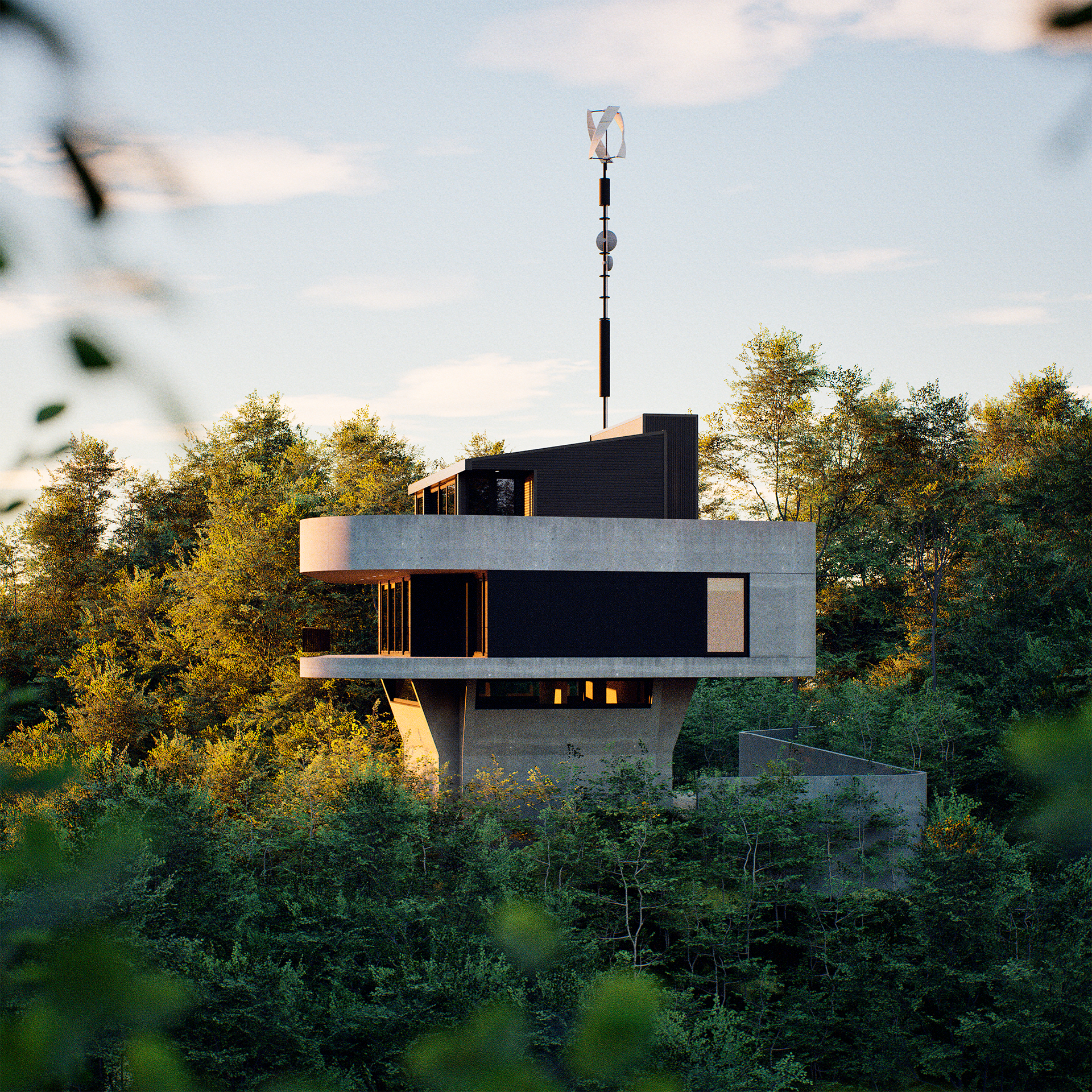
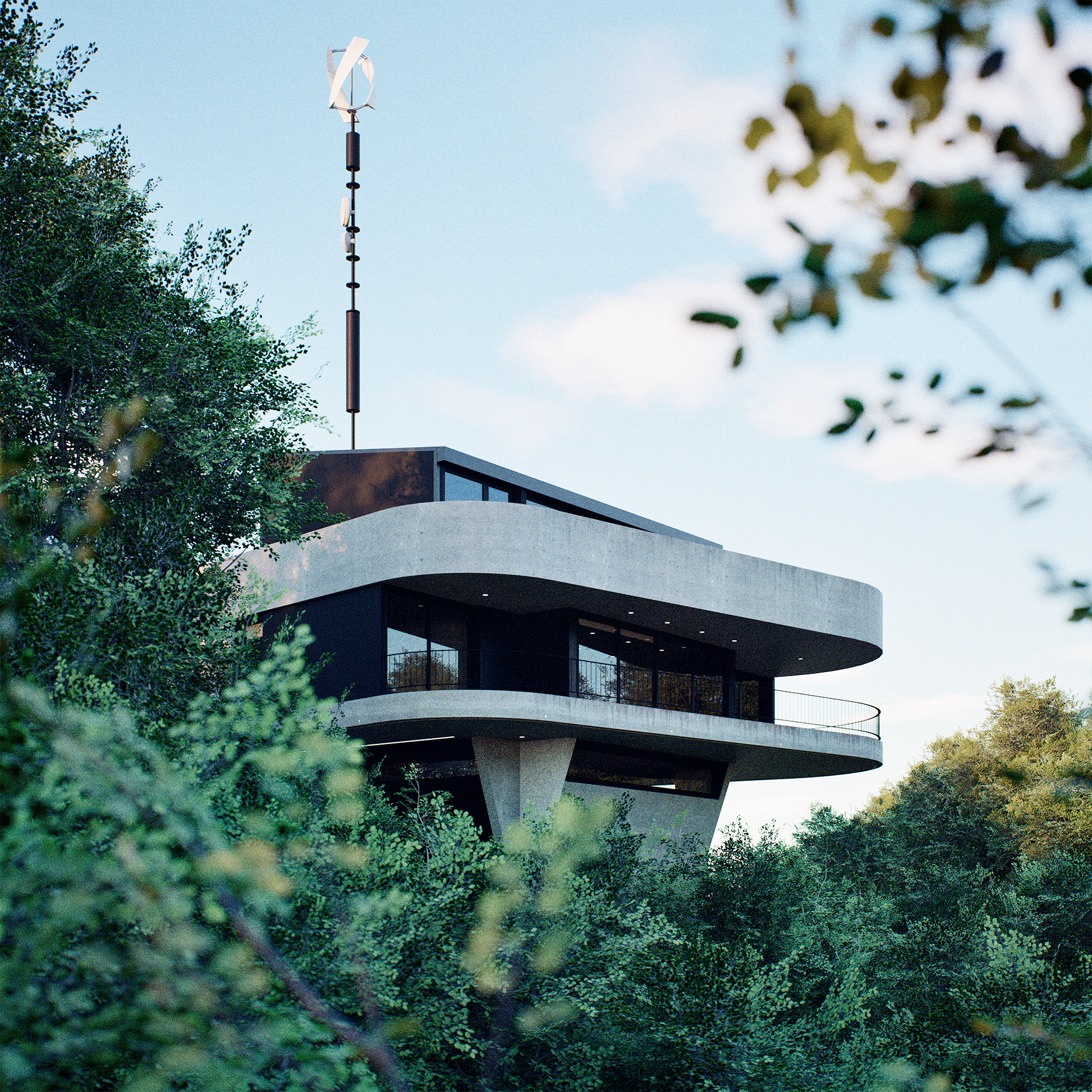
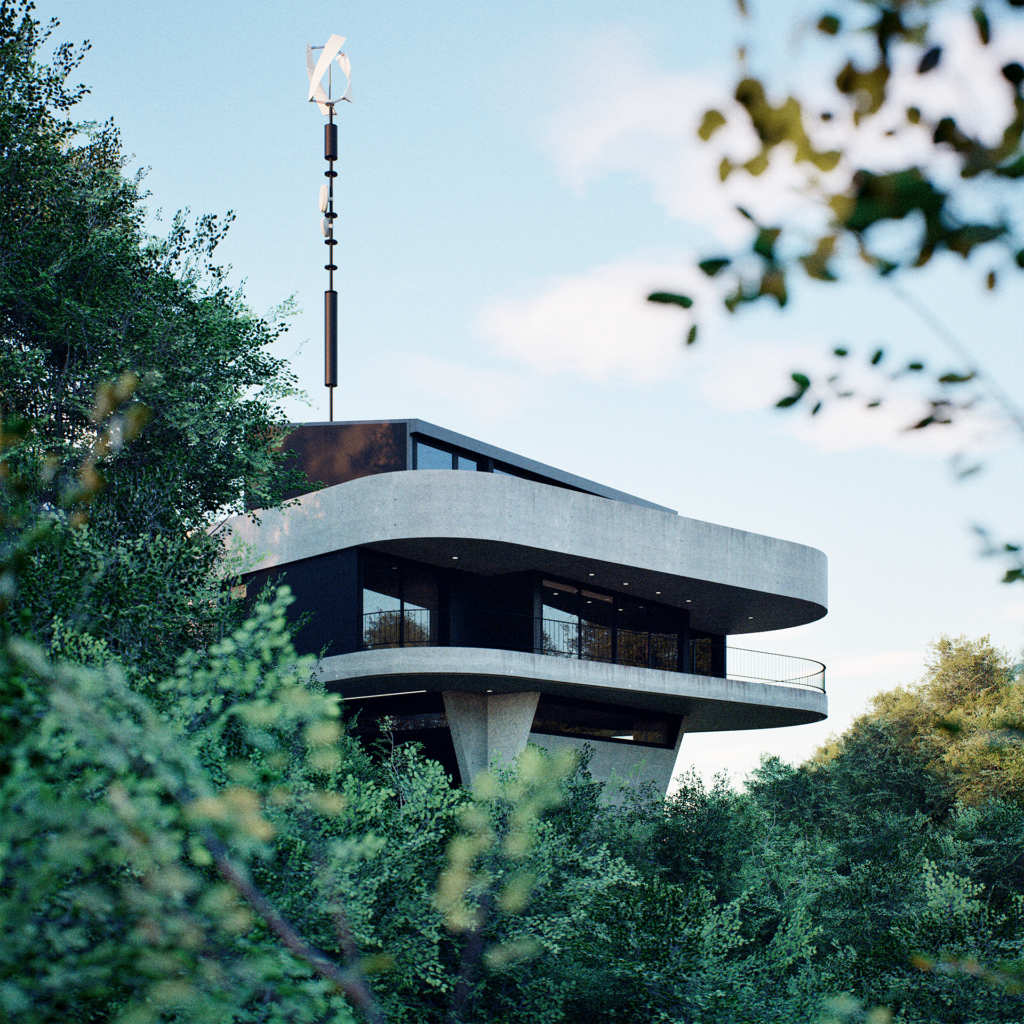
The house neither hides nor fully reveals itself. It camouflages among the vegetation while displaying an intimidating, silent, almost infrastructural presence. Like a contemporary lighthouse, it watches the horizon, manages resources and sustains life in scenarios of prolonged isolation, without sacrificing comfort, beauty or connection with nature.
Casa Faro starts from one of the central principles of the Autónoma manifesto: elevating everyday life to protect it without isolating it from the landscape.
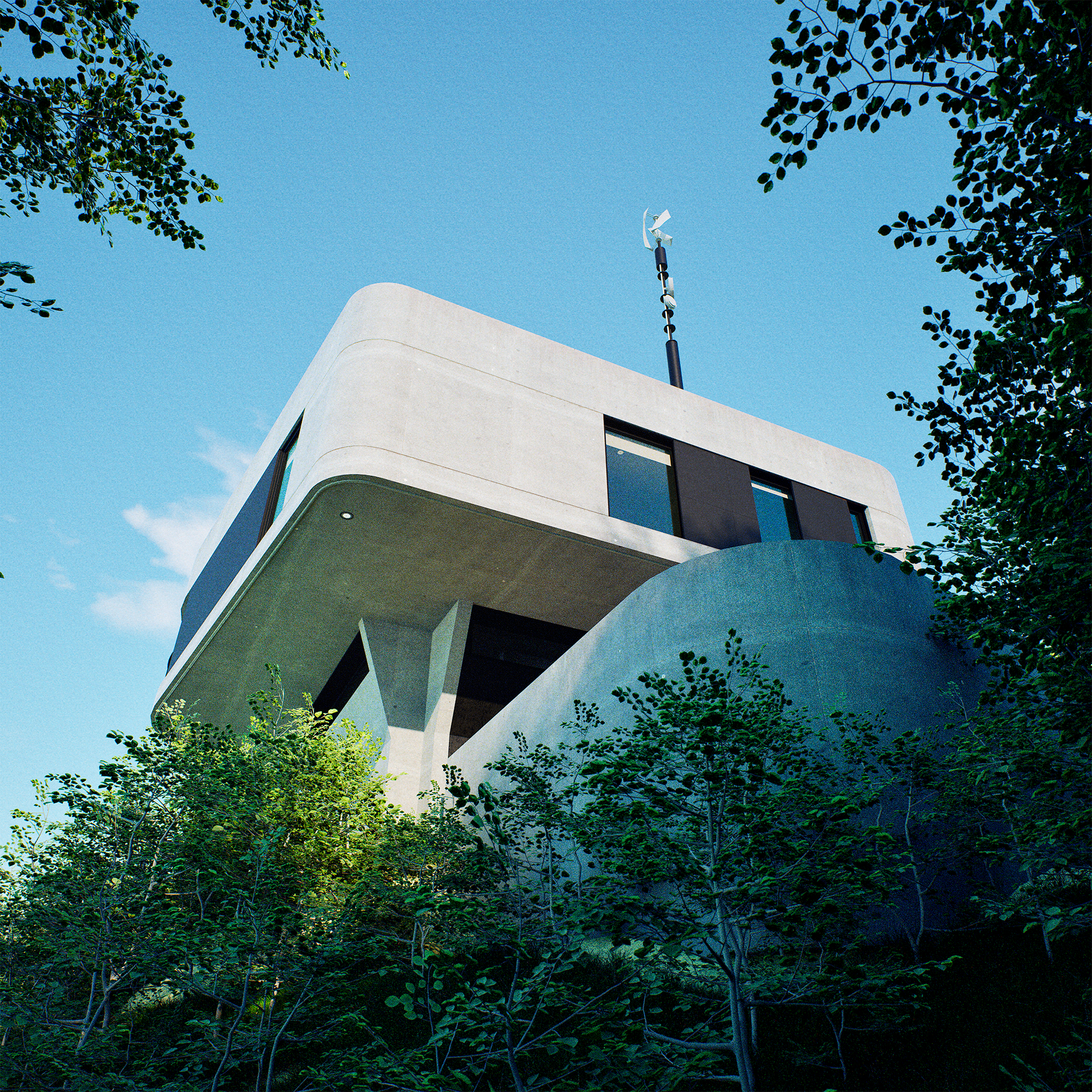
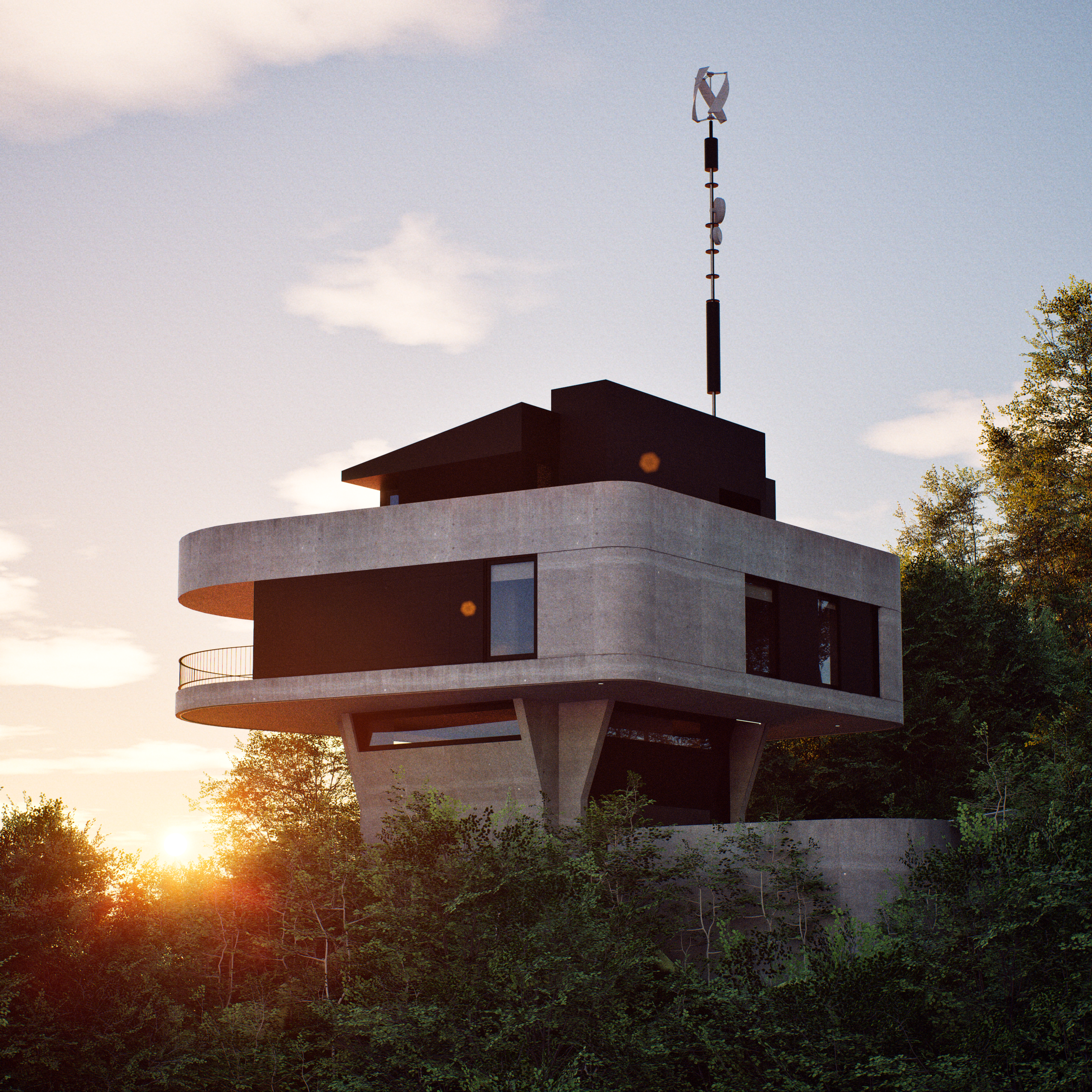
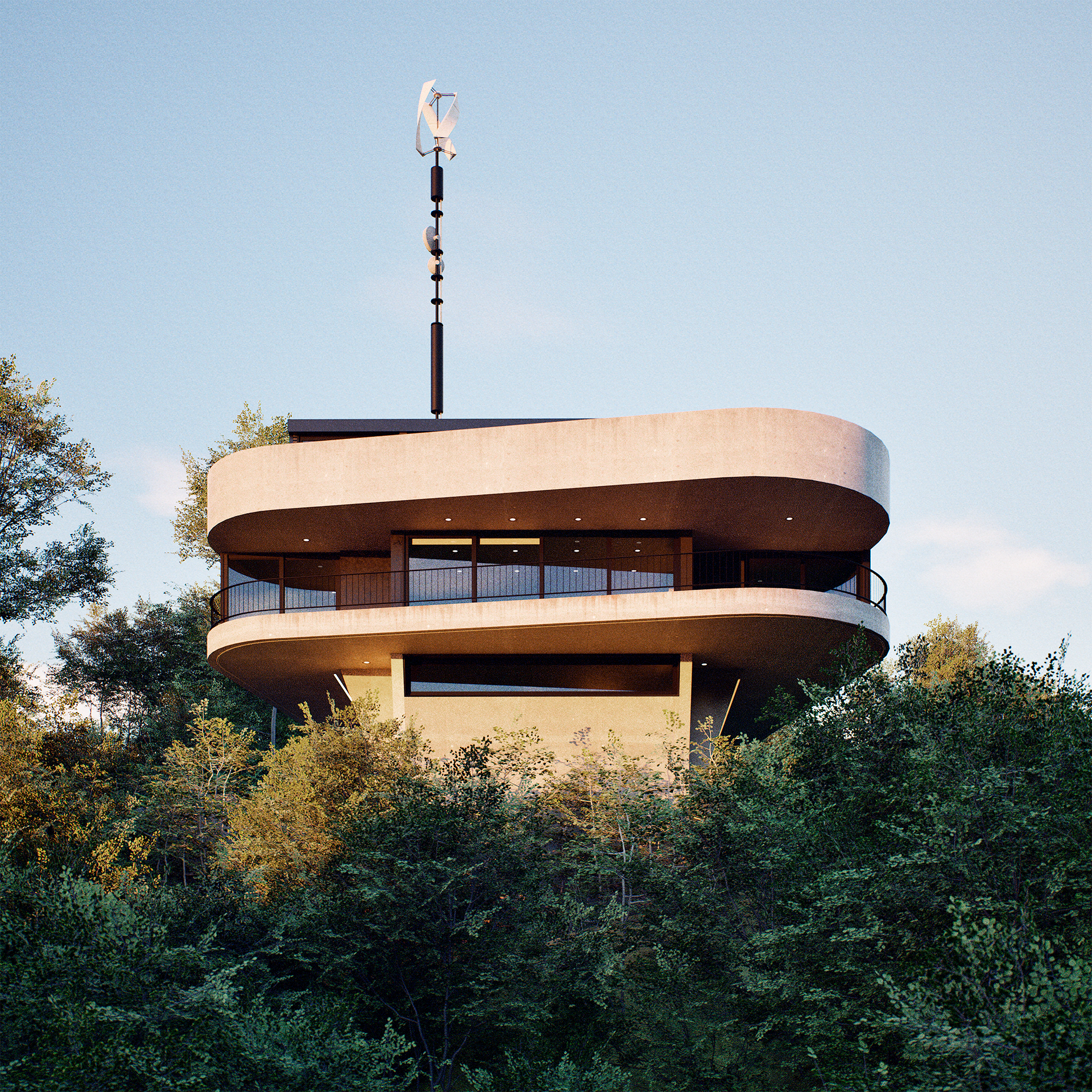
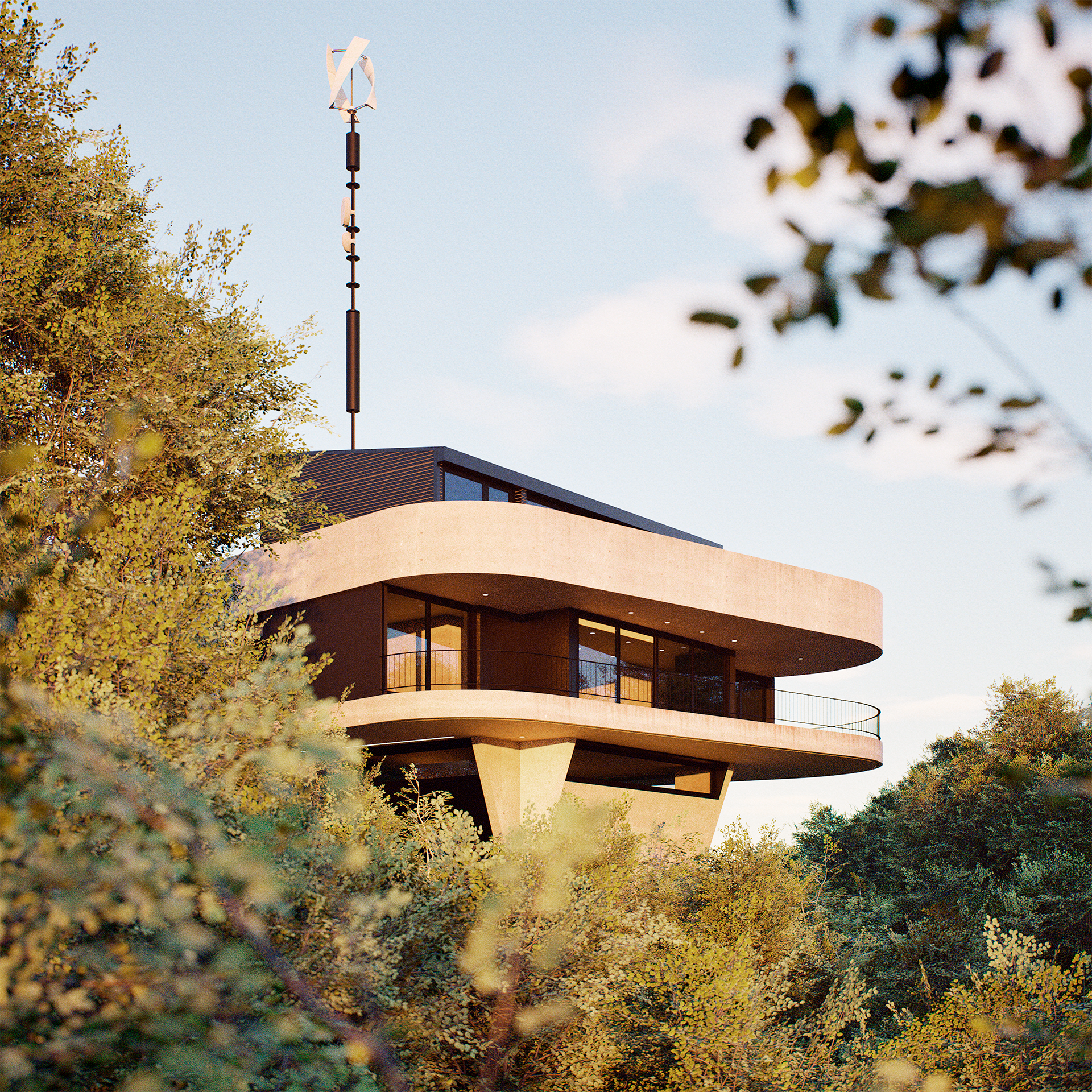
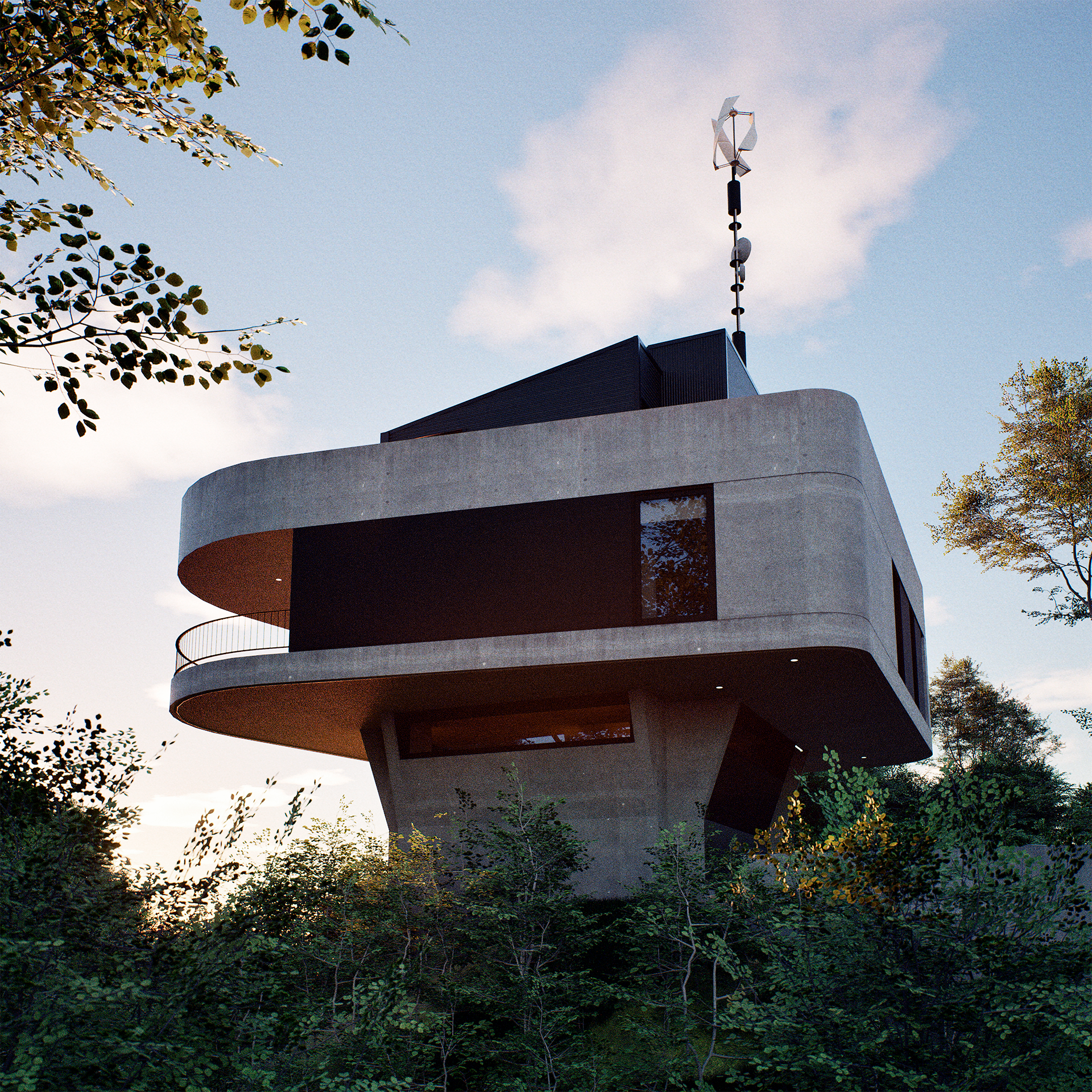
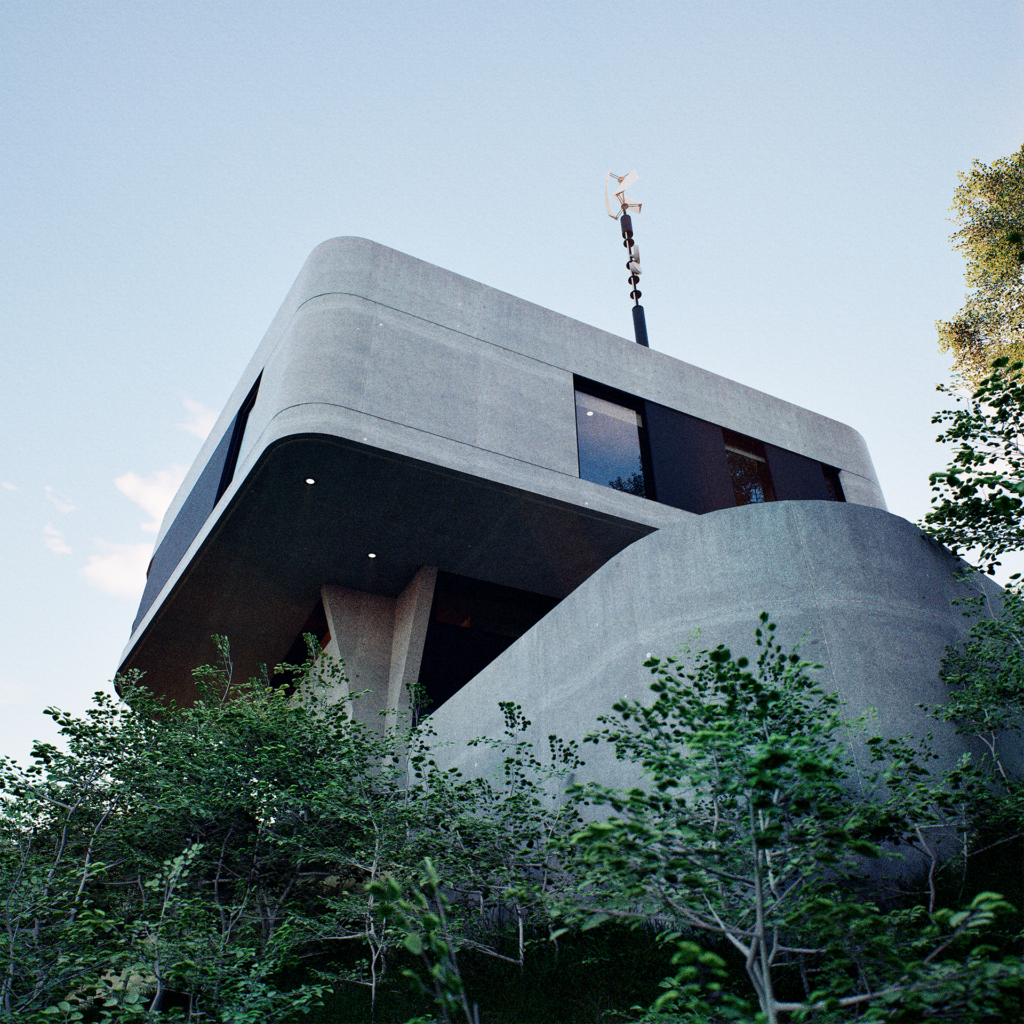
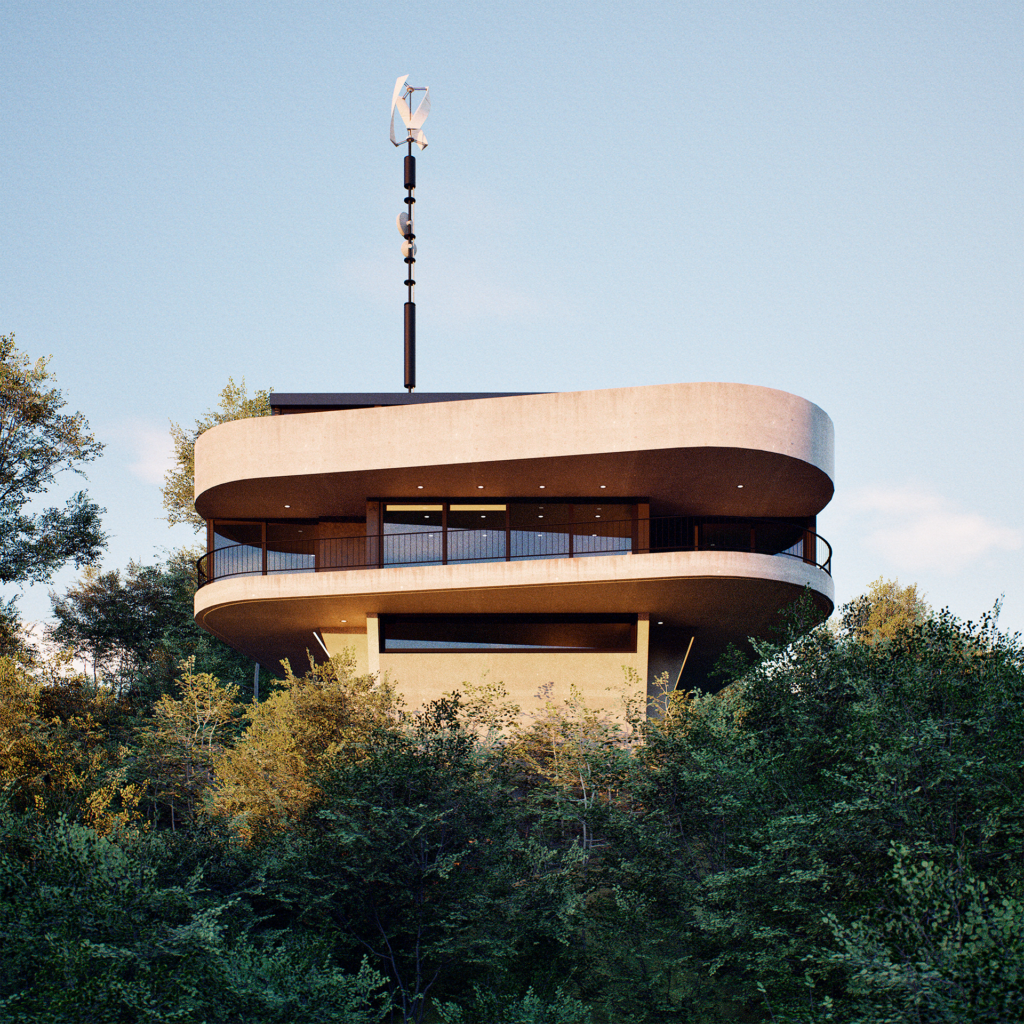
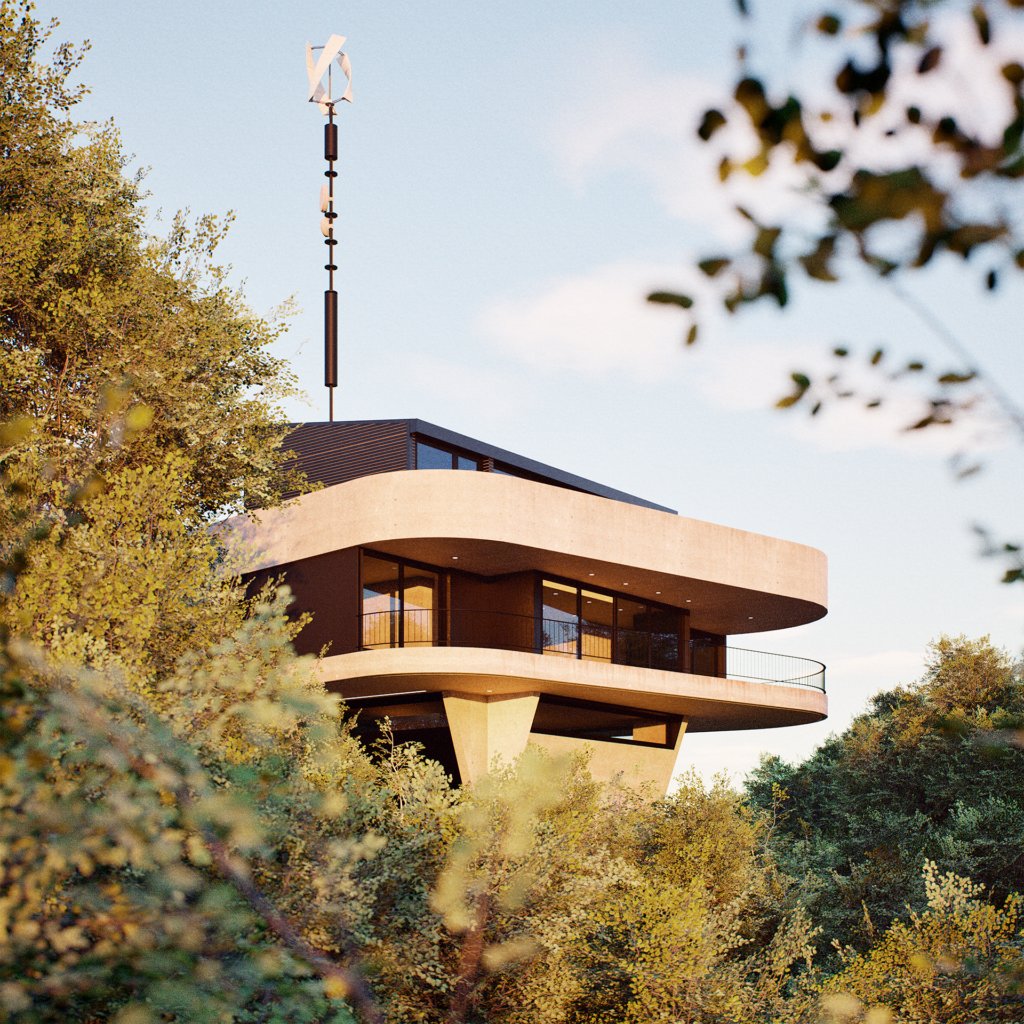
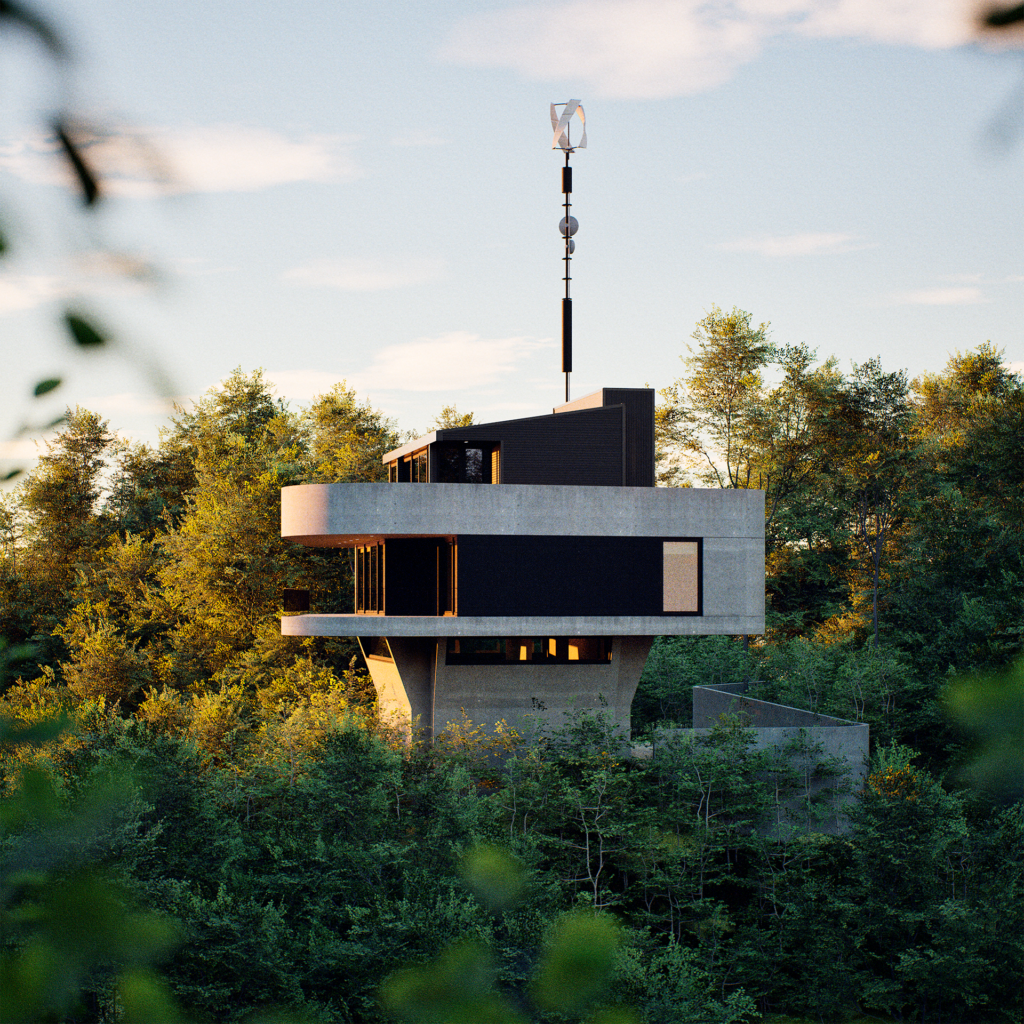
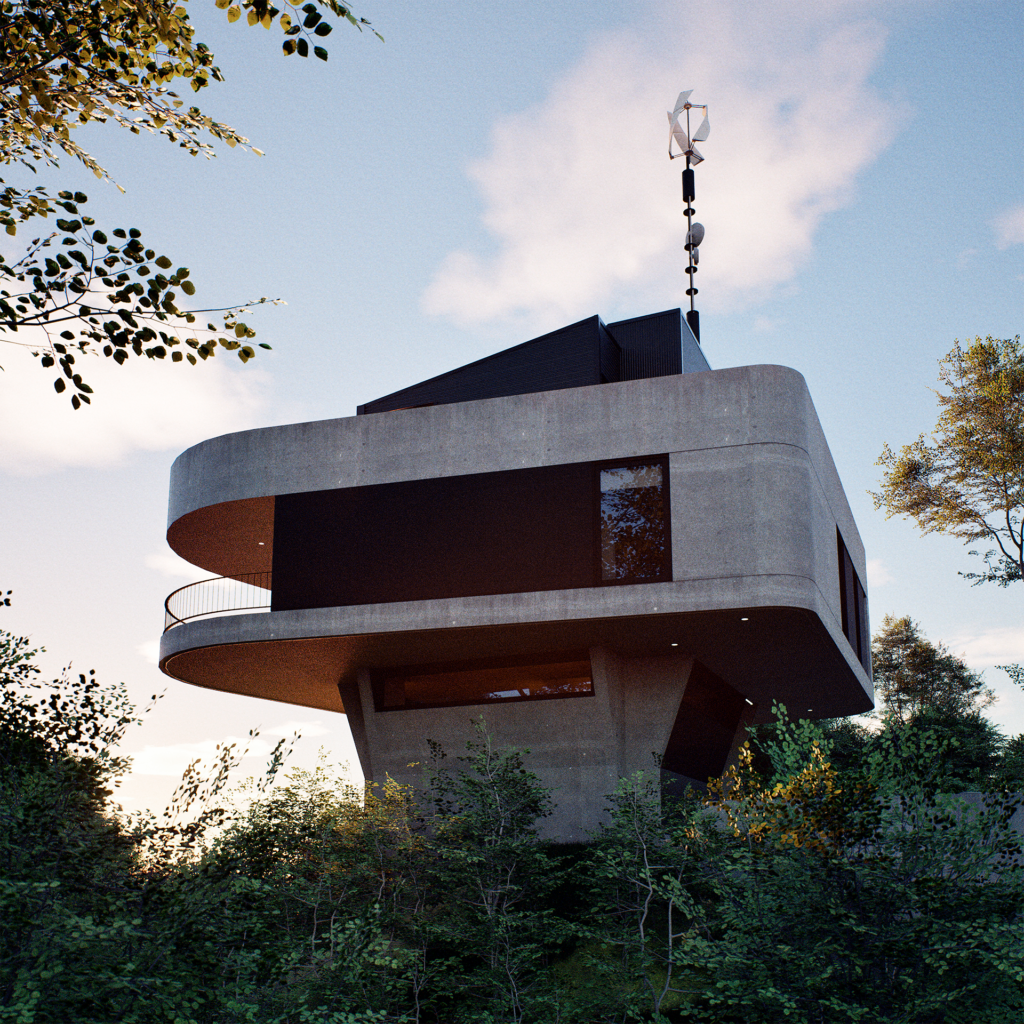
The main dwelling is suspended above the ground through a concrete structure that simultaneously generates protection, privacy, and visual dominance of the surroundings.
The upper floor opens toward the safest orientations, where topography and height function as natural protection. Toward the sectors of greatest exposure, the architecture closes and generates shadow, depth, and opacity.
The elevation also allows the recovery of something fundamental: the experience of living immersed in the landscape without being subjected to it. From the interior, the forest constantly enters through the broad views that the height makes possible.
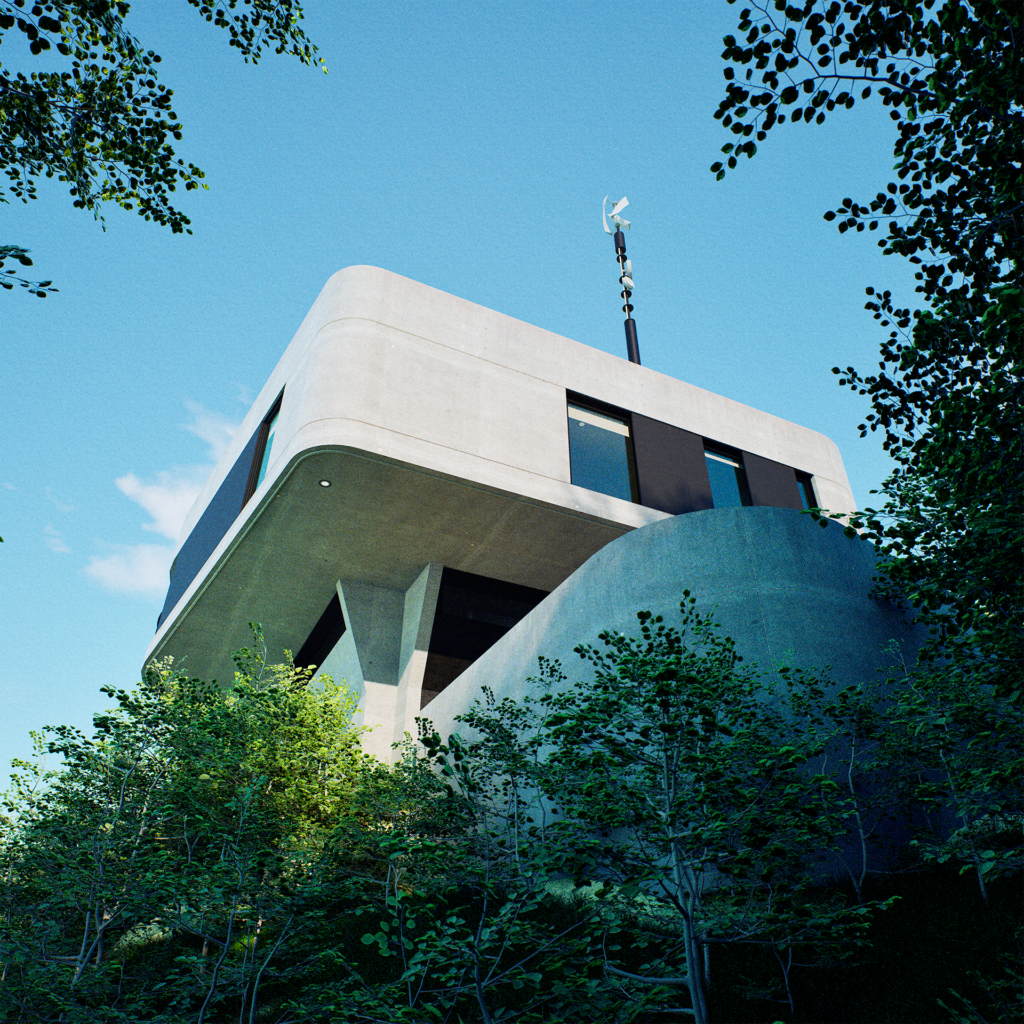
Far from functioning as a simple pedestal, the base constitutes the operational and defensive core of the house. Semi-buried on the hillside, it contains the technical and service functions: workshops, storage, cellars, generators, cisterns, and energy and water autonomy systems.
A large automated gate allows the rapid entry of vehicles into the protected interior of the complex. Under normal conditions, arrival can be experienced as an ordinary domestic sequence. Under adverse conditions, the base functions as a first physical barrier.
The interior space of the base also generates a microclimate protected from wind, fire, and direct exposure. There, the architecture produces a controlled exterior: an interior courtyard that functions as a space for transition, work, and rest sheltered from the landscape.
The morphology of Casa Faro combines the structural rawness of brutalism with a more fluid and domestic geometry.
The curves soften the visual weight of the suspended mass and build a more ambiguous presence: an object that seems both heavy and light at the same time.
In the base, curves and countercurves recall organic traces close to certain explorations of Enric Miralles, partially dissolving the hardness of the concrete among shadows and inclined planes.
The result is ambiguous and deliberate: an architecture that conveys calm and alertness at the same time.
A piece that appears serene, sophisticated, and inhabitable, but whose materiality and geometry make it clear that it was not designed to be vulnerable.
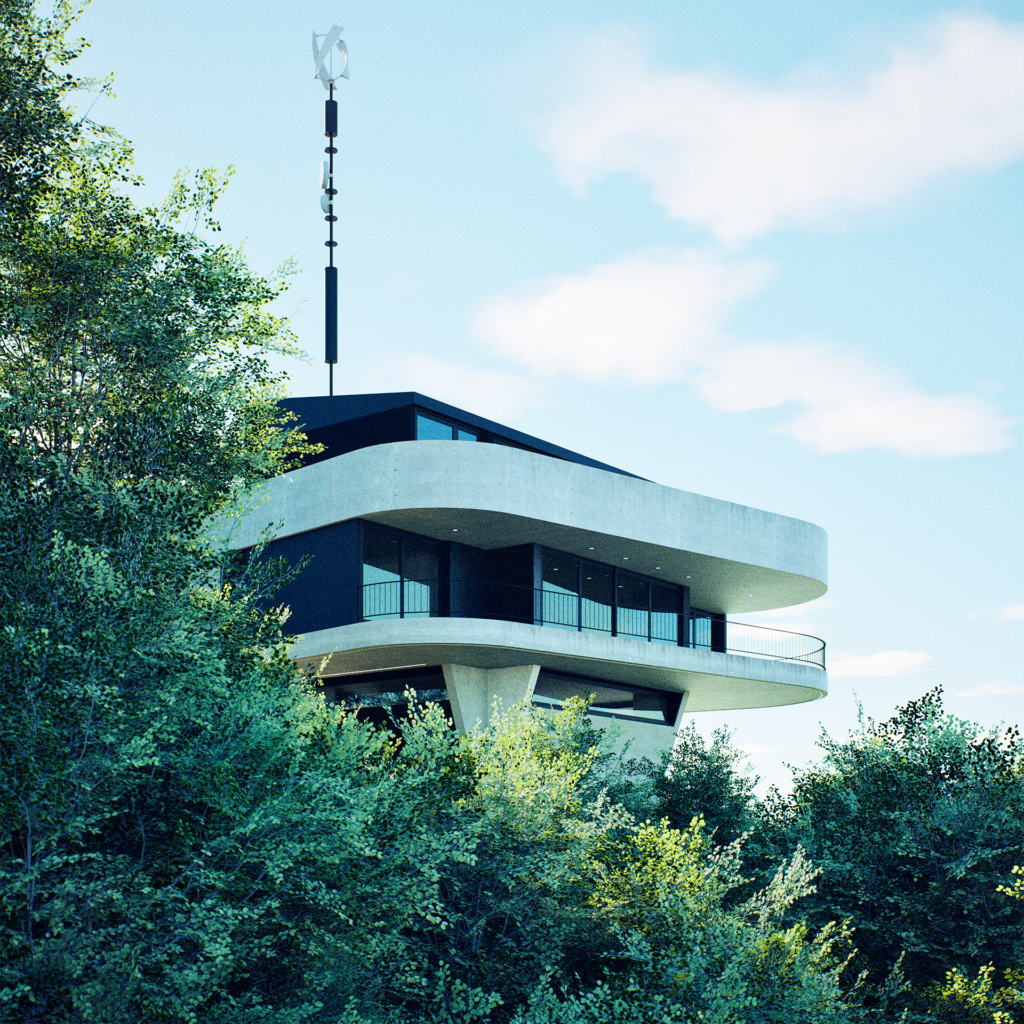
Casa Faro does not propose a bunker-like or underground logic.
The strategy is not to hide life, but to elevate and protect it through architecture.
Security does not depend exclusively on active devices or permanent surveillance, but on spatial, morphological, and operational decisions: visual control of the territory, controlled access, elevated position, resource autonomy, and materials that resist time and neglect.
The very presence of the house functions as a deterrent mechanism.
The intimidation does not appear as an aggressive gesture, but as a natural consequence of an architecture prepared for anything.
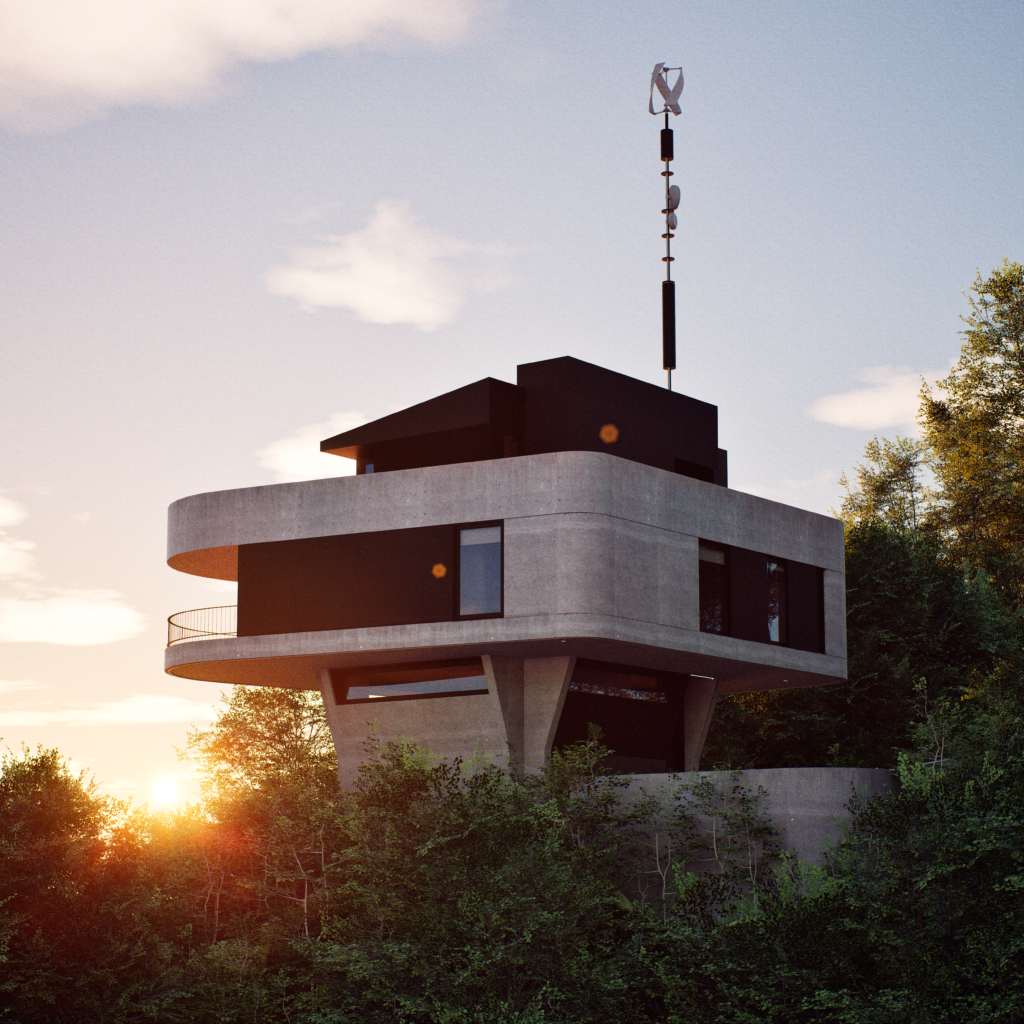
The house incorporates rainwater harvesting systems, solar generation, and a tower equipped with a wind turbine and autonomous connectivity systems.
The antenna that crowns the composition is not only a technical element: it is also a declaration of intent.
The upper terrace functions as a large inhabitable viewpoint and concentrates part of the collective life of the house. Here are located spaces for contemplation, gathering, and an additional bedroom that takes advantage of the views and height to create the most privileged room in the entire composition.
Casa Faro is not conceived to survive the outside world, but to continue inhabiting it with autonomy.
It does not propose absolute isolation, but the possibility of choosing when and how to connect with the surroundings.
 01 / 10