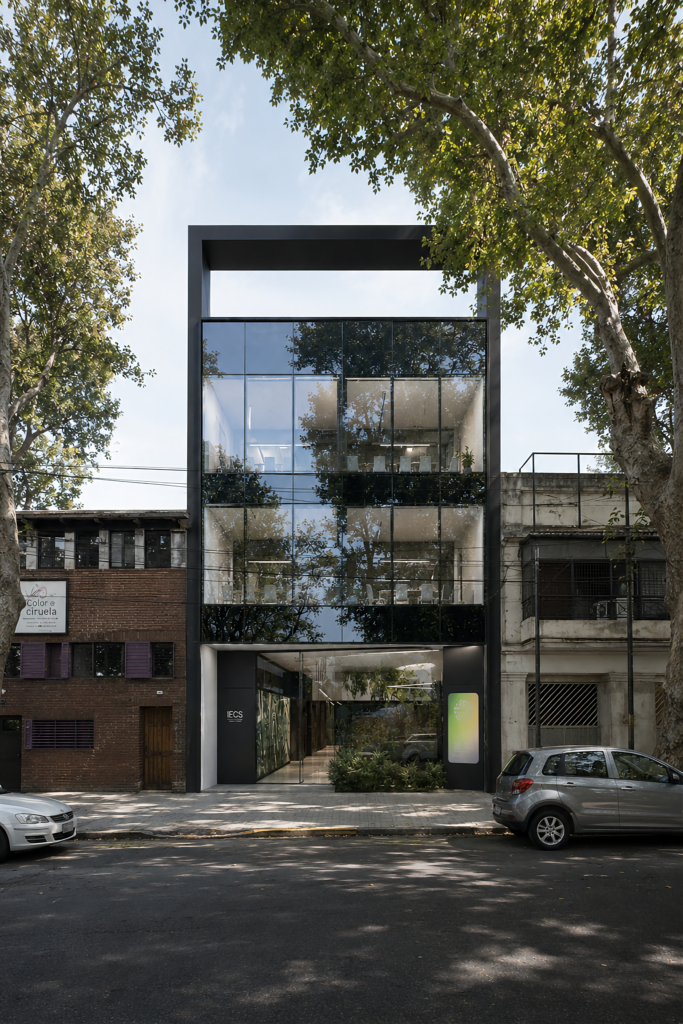
IECS Institute for Clinical and Health Effectiveness
Lavalleja 856, Ciudad Autónoma de Buenos Aires, Argentina — 2026


Architecture
Finca El Pongo, Jujuy, Argentina — 2022
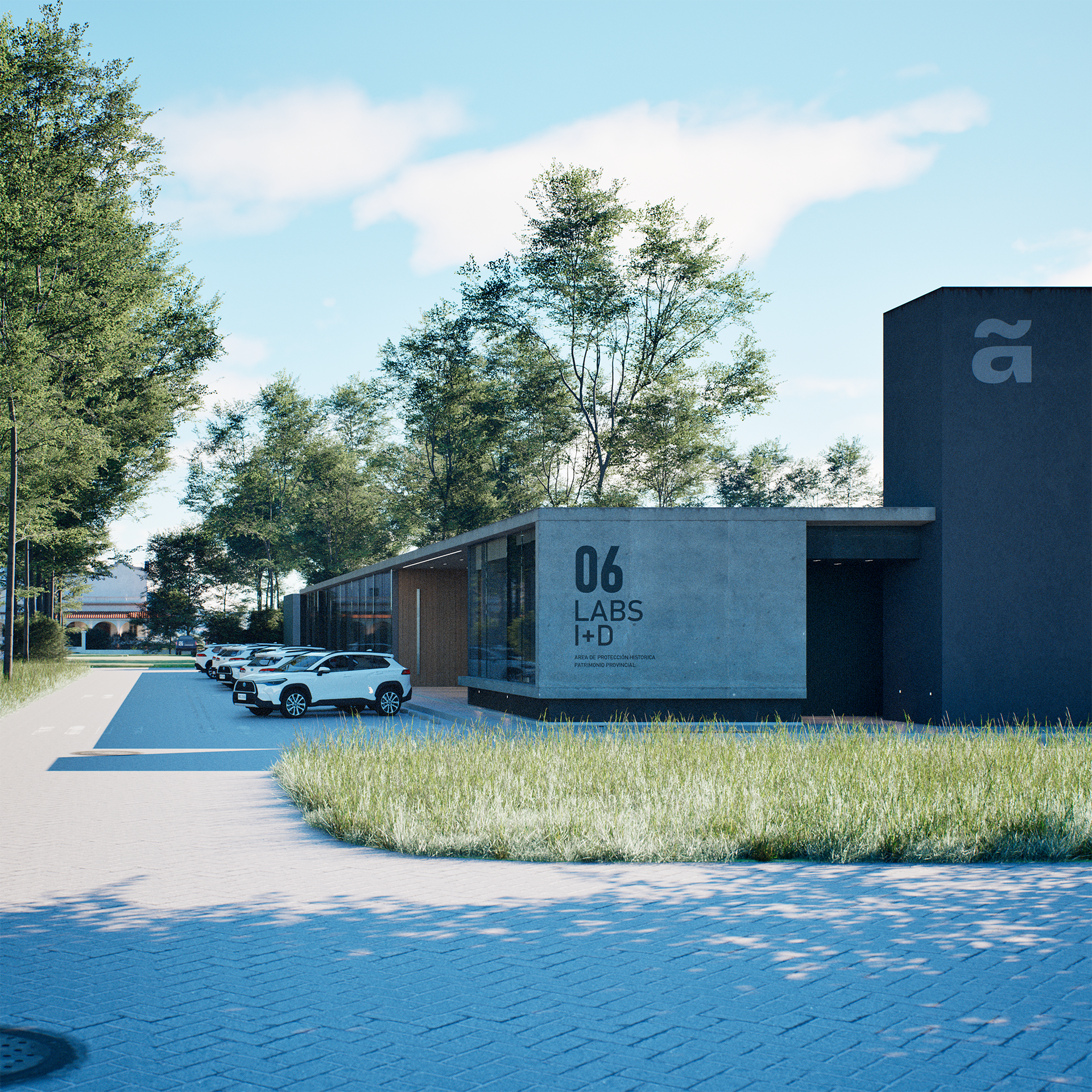
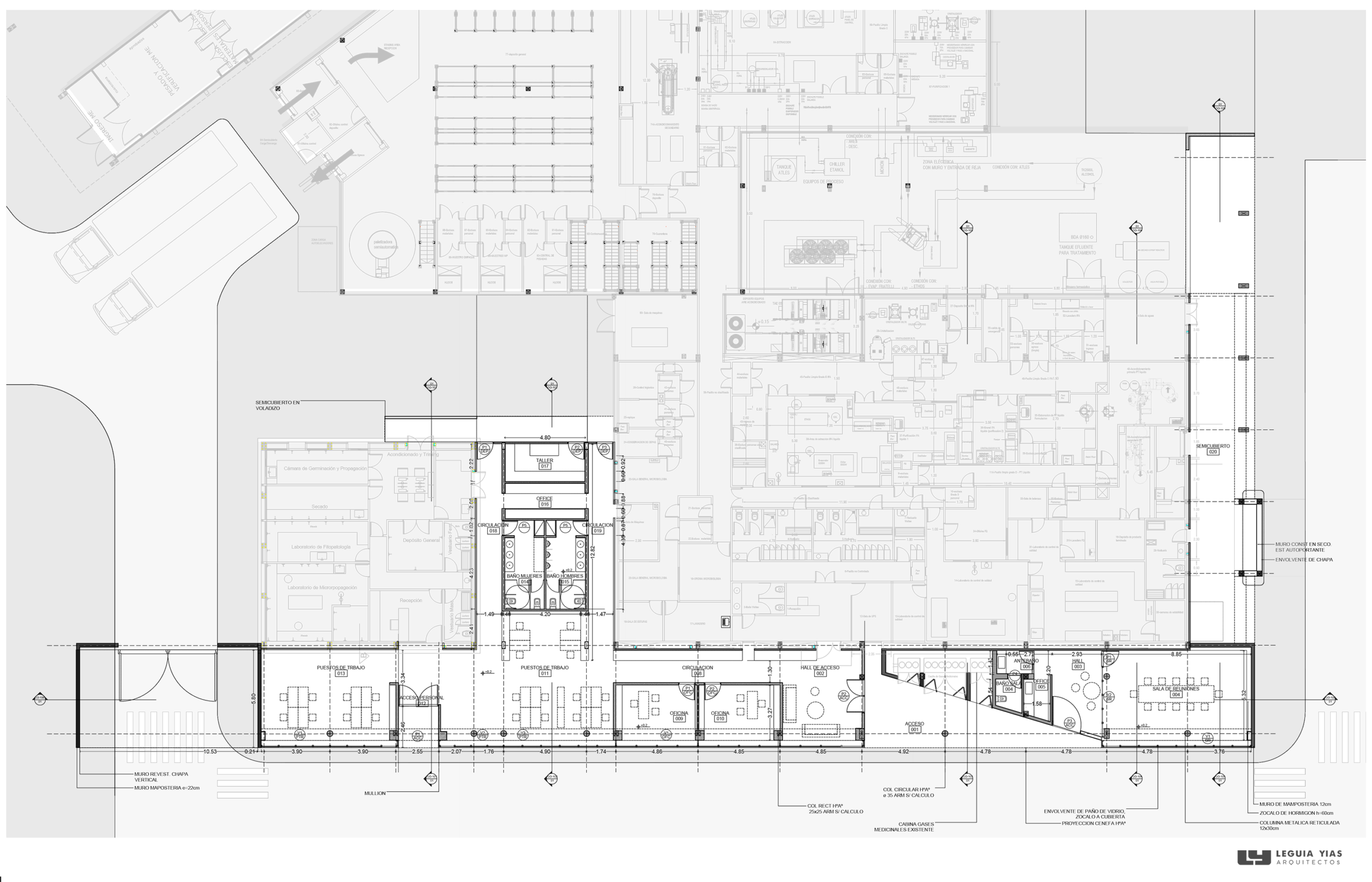
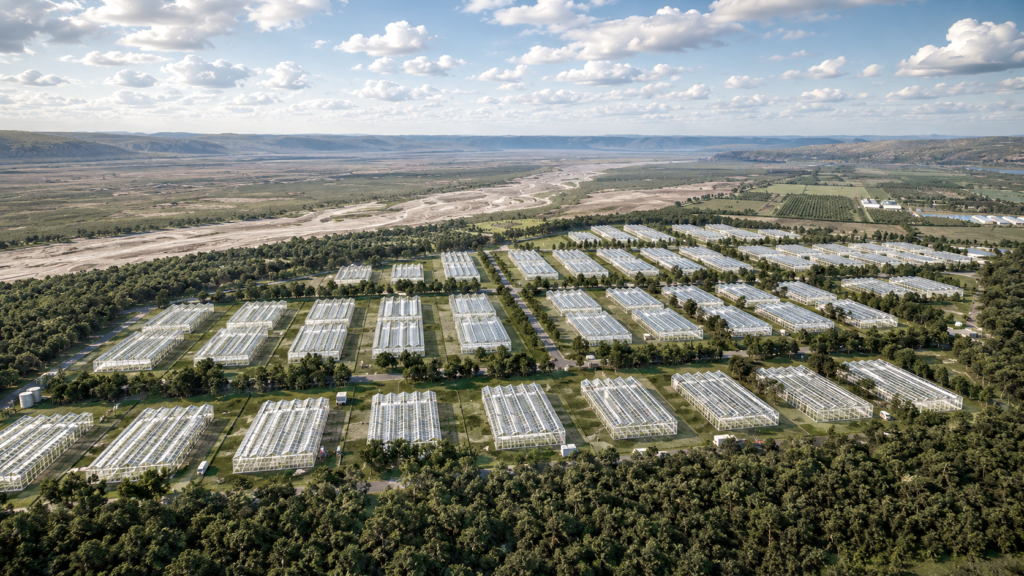
At Finca El Pongo, one of the most significant historic sites in Jujuy, the new building for the Cannava biotechnological complex emerges as part of an unprecedented productive transformation in the region. Linked to the research and production of medical cannabis, the project proposes an architecture capable of articulating science, landscape and territory without losing sight of the cultural and environmental scale of the place. More than an autonomous building, the intervention works as a new connecting infrastructure: a large continuous system that reorganizes existing structures, integrates new work dynamics and installs a contemporary identity for a program deeply tied to the productive future of the province.
In the open landscape of Finca El Pongo, in Jujuy, the new building for the Cannava biotechnology complex emerges as an articulation operation rather than an autonomous object. The project does not seek to impose itself on the territory, but to organize a series of dispersed pre-existing structures, consolidating a new system of relationships between architecture, production, research, and landscape.
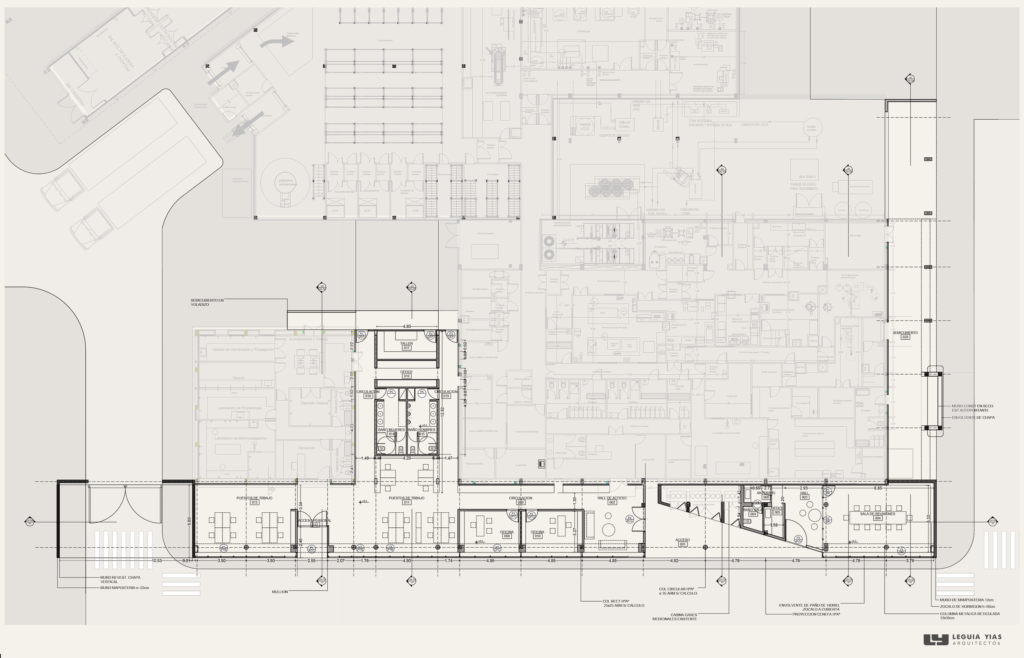
The intervention starts from a concrete need: to connect four existing buildings within the scientific campus and provide them with new office spaces, meeting rooms, and technical support. However, far from resolving this demand through an isolated piece, the project proposes a continuous architecture, capable of covering, linking, and reorganizing the complex under a new common identity.
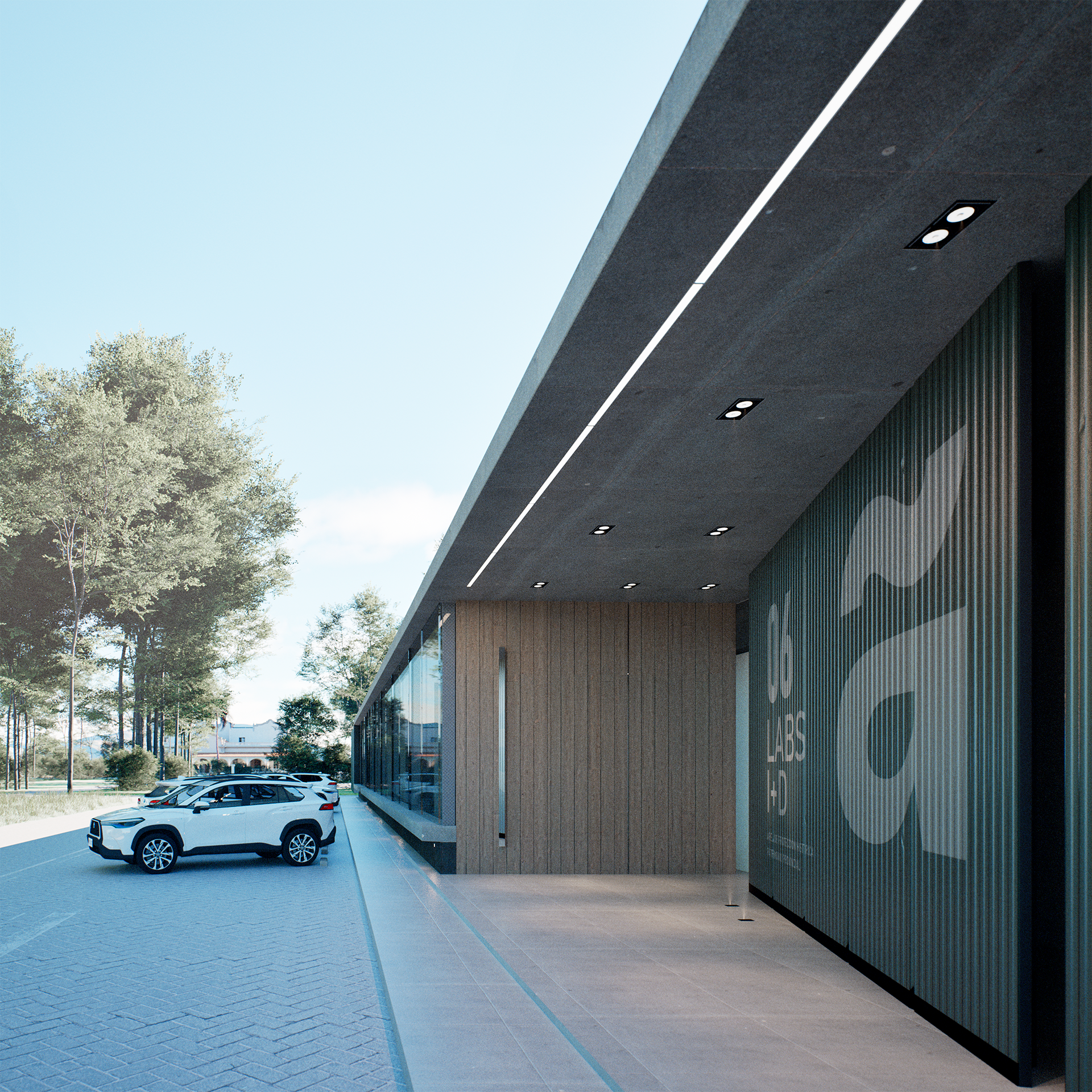
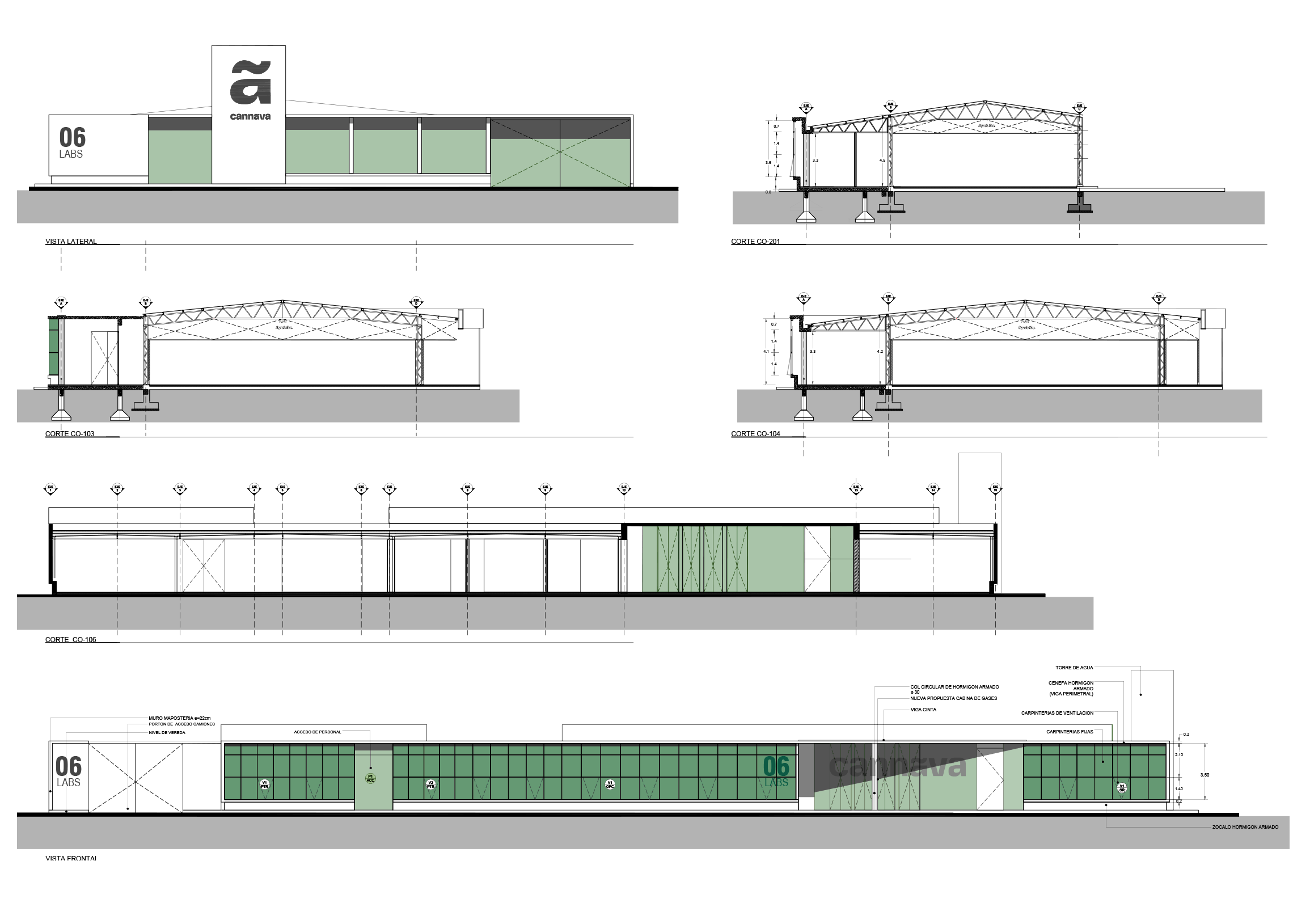
The architectural operation materializes through a large longitudinal roof that acts as a “mantle” over the existing constructions. More than a roof, this new structure functions as an element of spatial and visual cohesion, establishing continuity between originally fragmented parts.
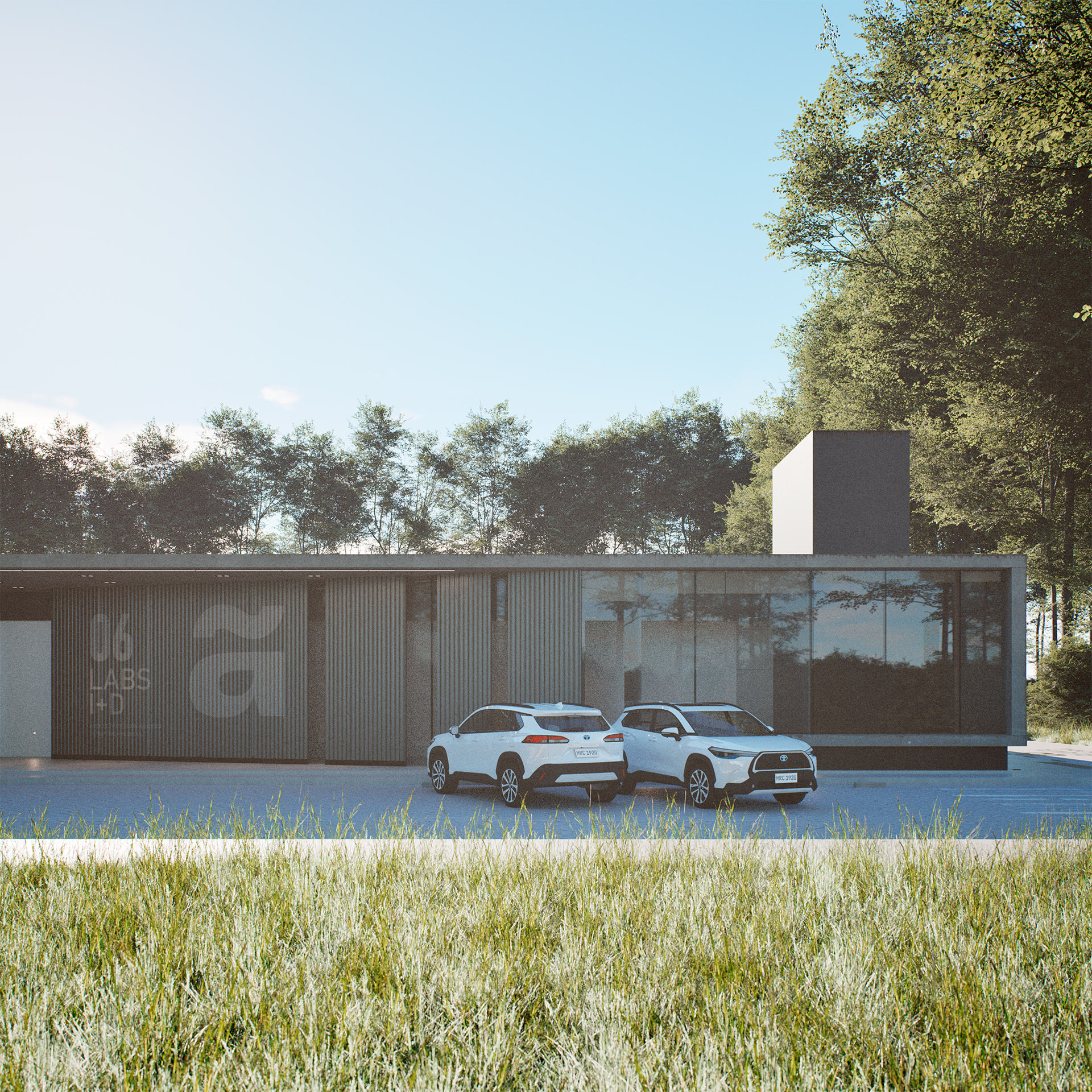
Surrounded by vegetation, rural roads, and productive facilities, the building seeks to integrate into the surroundings from a logic of low visual impact. The large glazed facade reflects the surrounding landscape and partially dissolves the scale of the intervention, incorporating the movement of the sky, vegetation, and the changing light of the Jujuy valley.
This decision generates a deliberate tension between presence and disappearance. The new volume acquires a technological and contemporary image, but at the same time avoids competing with the nearby historic building, establishing with it a relationship of serene contrast rather than formal confrontation.
More than an iconic piece, the building proposes an architecture of connection. An intervention that understands technological growth not as a rupture with the landscape and history of the place, but as a new layer capable of integrating them within a broader system.
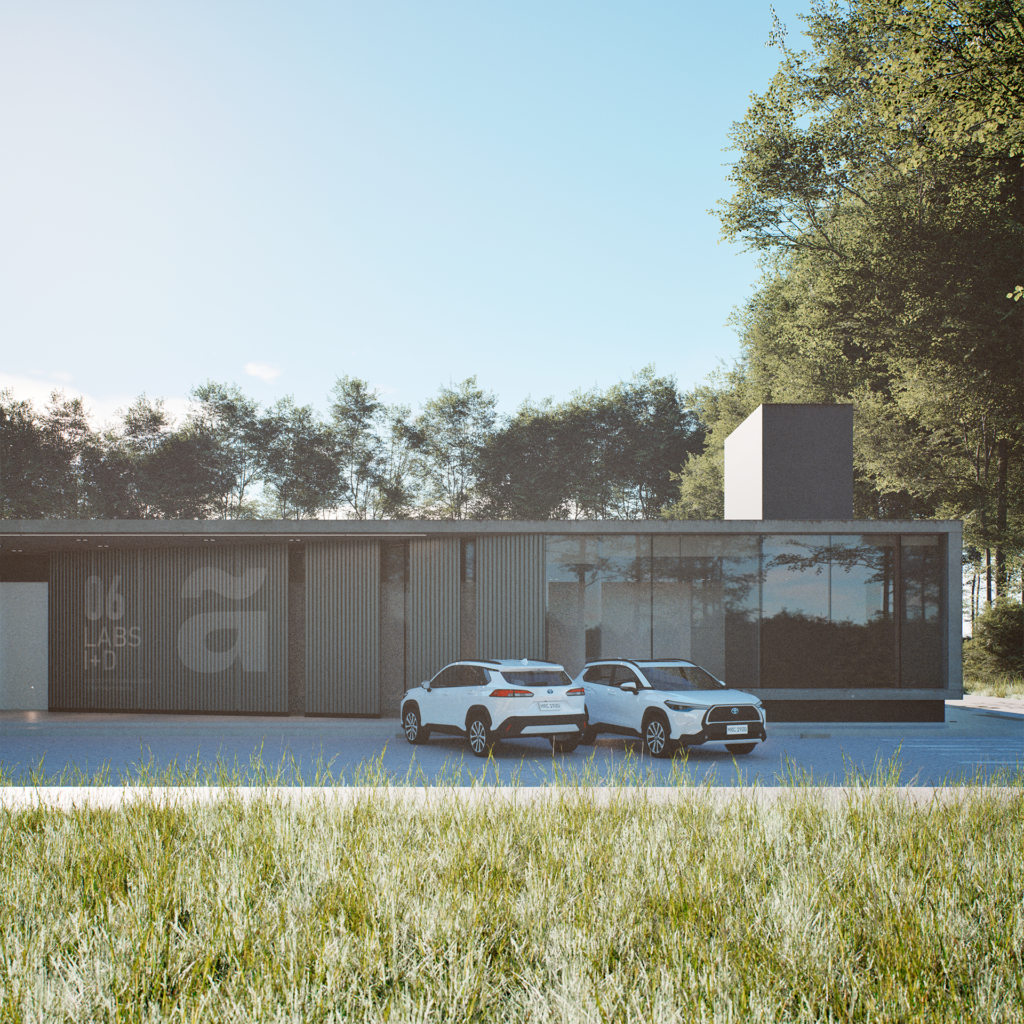
The project also had to resolve a complex overlapping of existing infrastructures. The unification of the four sectors involved relocating facilities, reorganizing service networks, and coordinating structural interventions on buildings in use.
Instead of concealing that condition, the proposal embraces its infrastructural character and works from constructive continuity, replicating structural and material criteria present in the existing buildings to generate a coherent unitary system.
The inclined metallic roof constitutes one of the central elements of the technical and spatial operation. Its geometry directs water toward a large reinforced concrete channel which, integrated into the project design, fulfills a double function: water conduction and landscape composition element.
In this context, hydraulic management ceases to be a secondary aspect and becomes an essential part of the architecture. The roof not only protects: it organizes, links, and transforms water management into a visible and coherent operation.
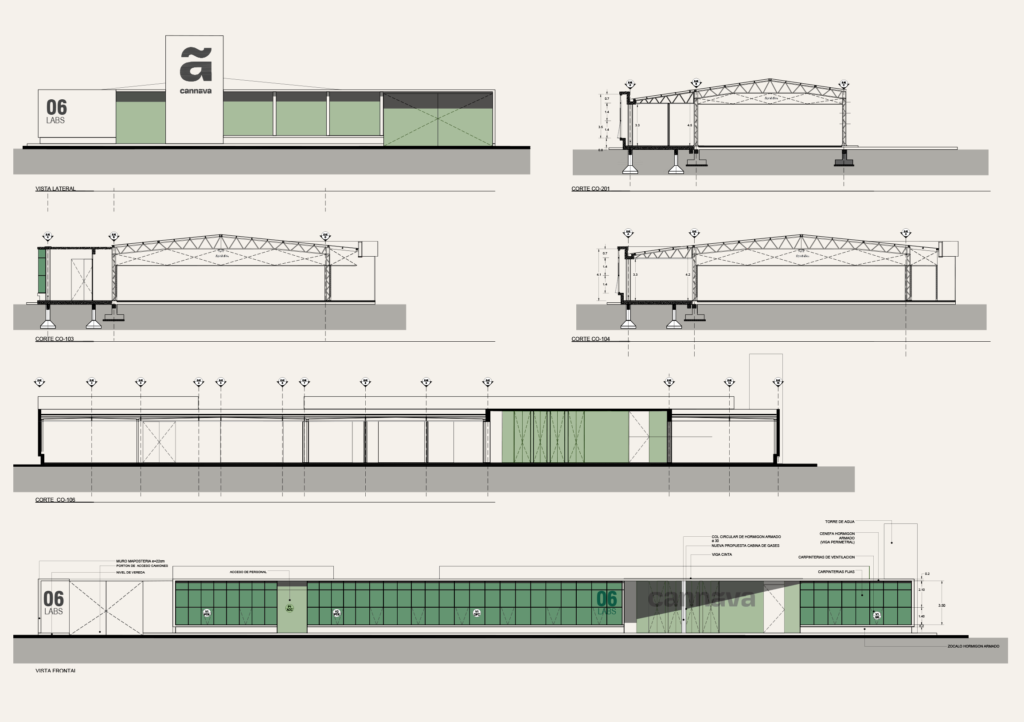
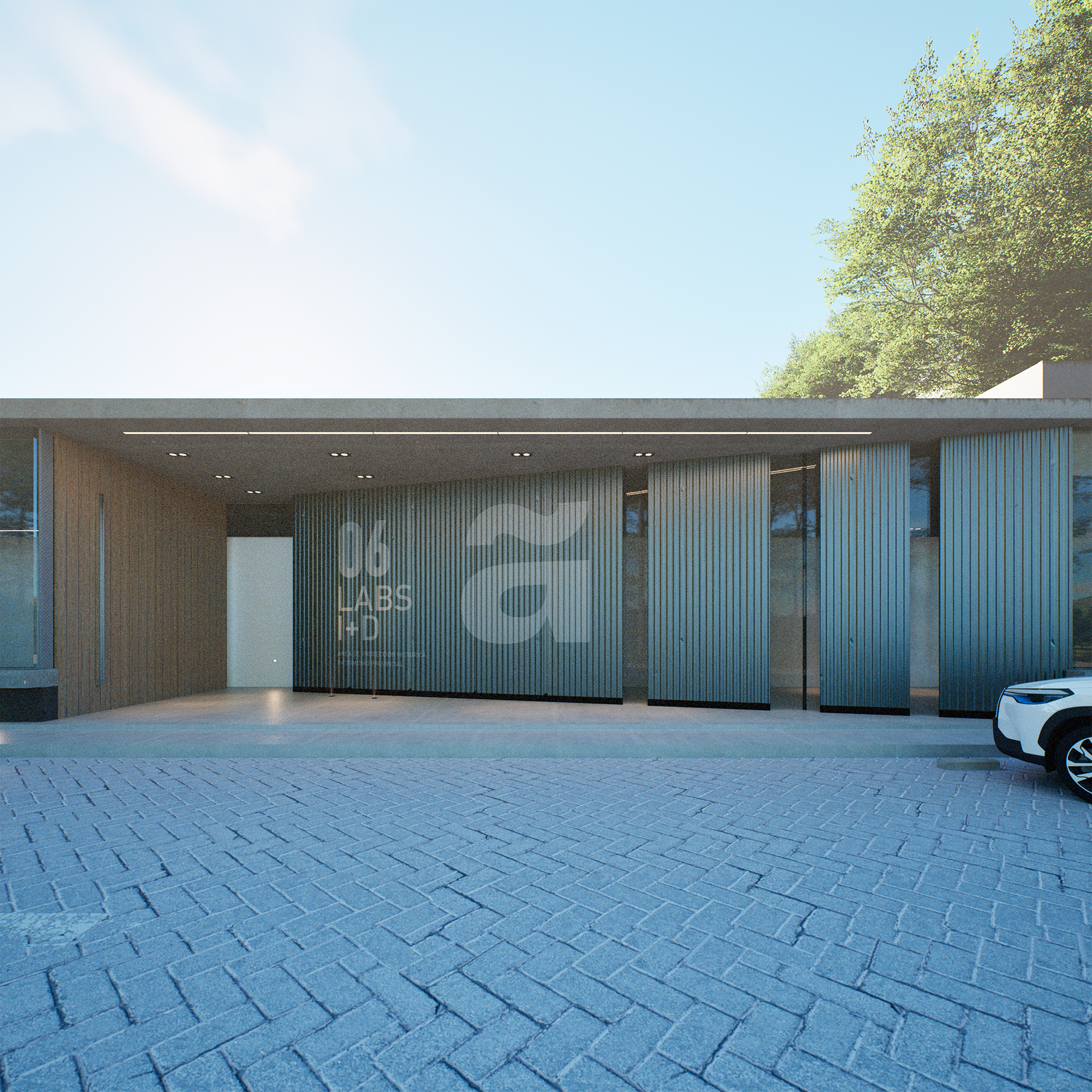
The materiality reinforces this hybrid condition between building and infrastructure. Exposed concrete provides mass, inertia, and permanence, while the large glazed surfaces generate transparency, visual openness, and an active relationship with the productive environment.
The combination of both materials builds a sober institutional image, associated with precision, stability, and durability, qualities directly linked to the scientific and regulated nature of the biotechnological operation.
The result is an architecture that avoids the spectacular gesture to focus on building relationships: between buildings, between technologies, between climate and matter, between landscape and industry.
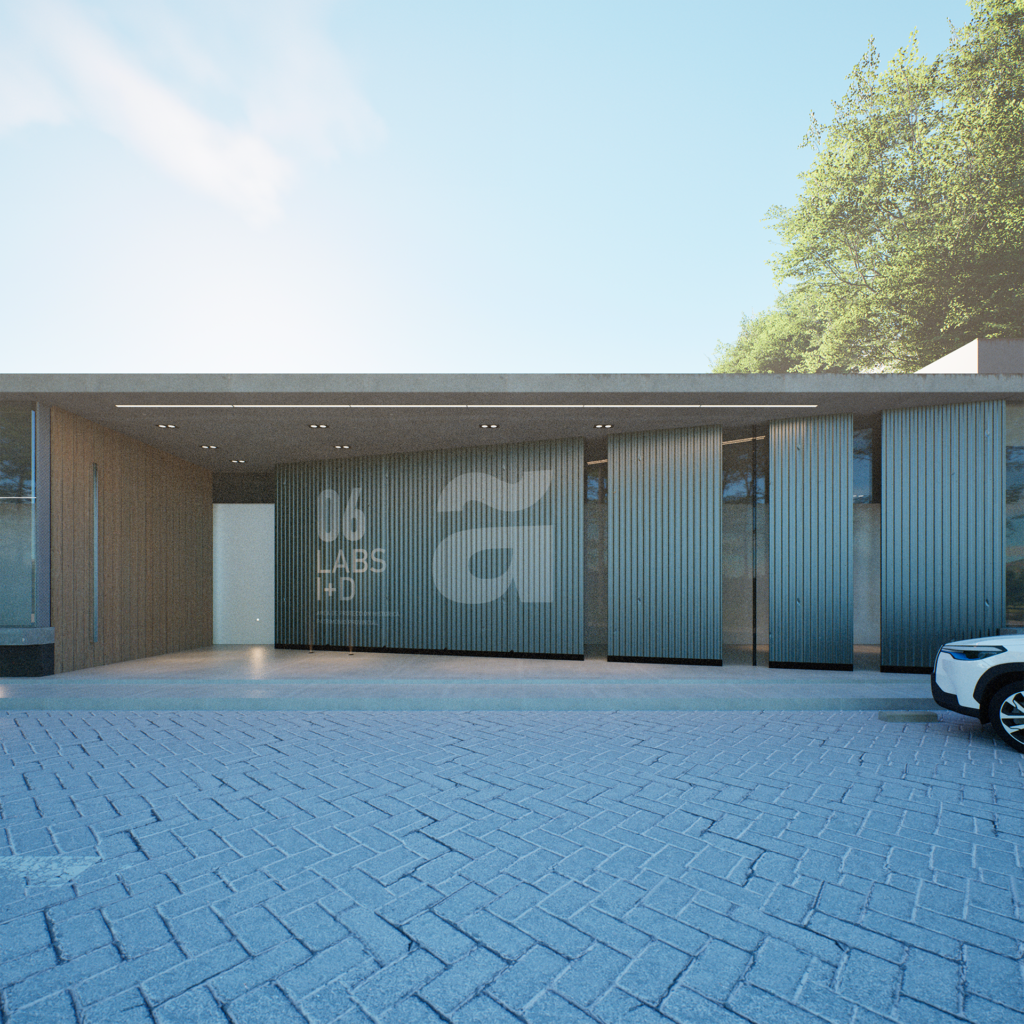
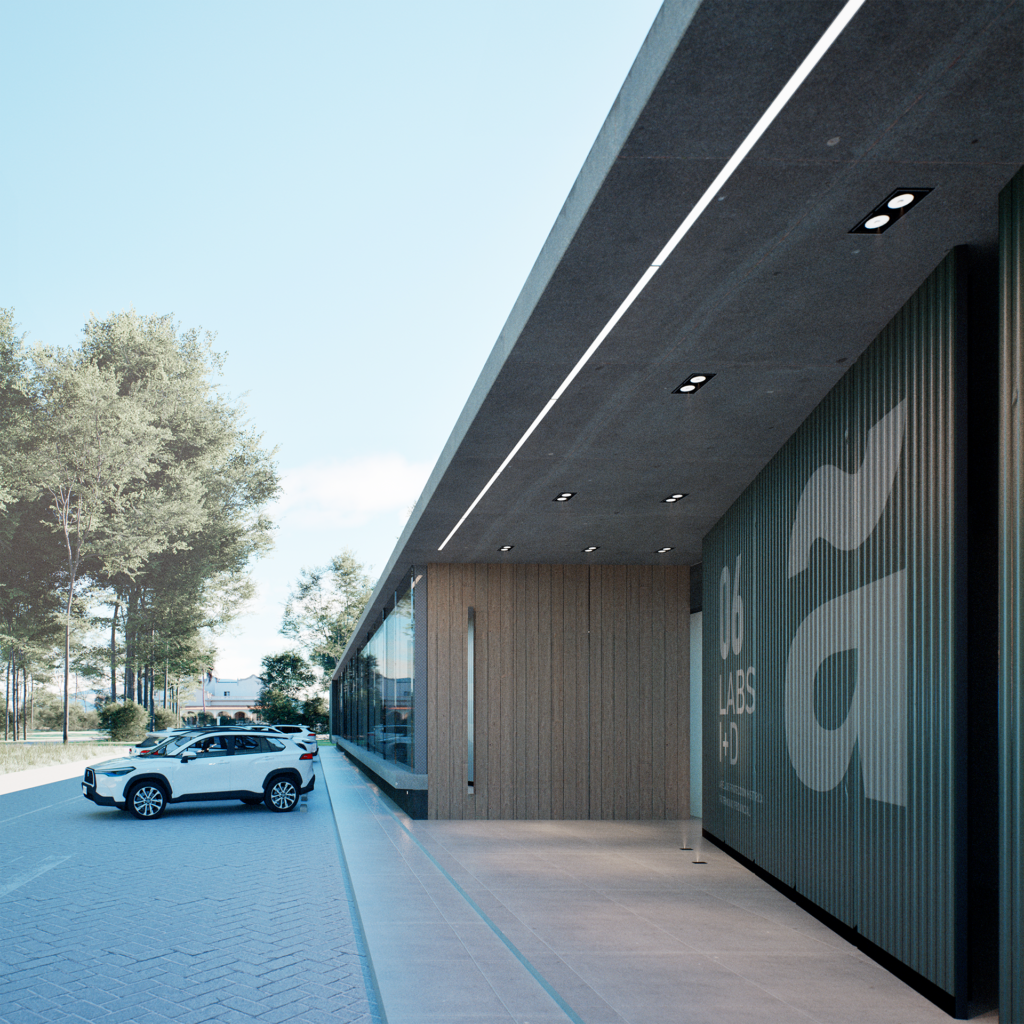
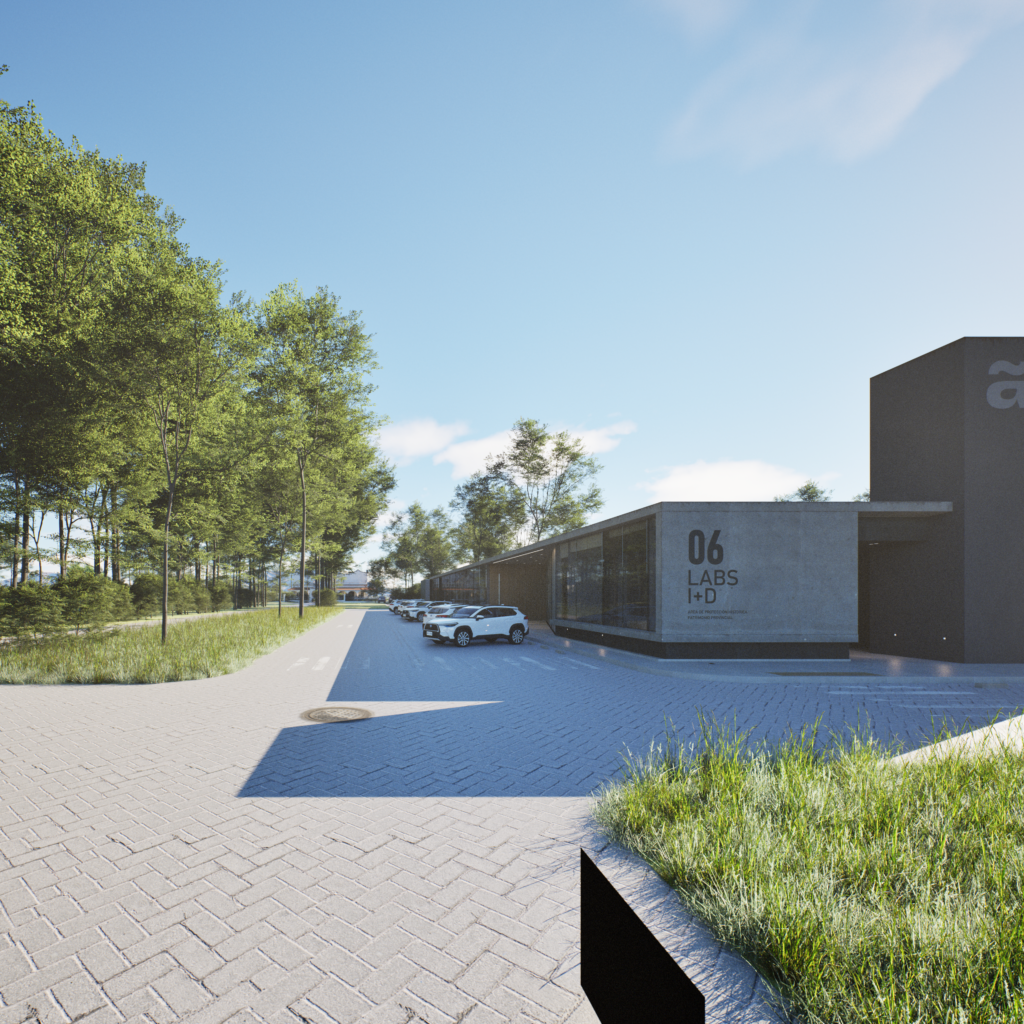
Lavalleja 856, Ciudad Autónoma de Buenos Aires, Argentina — 2026
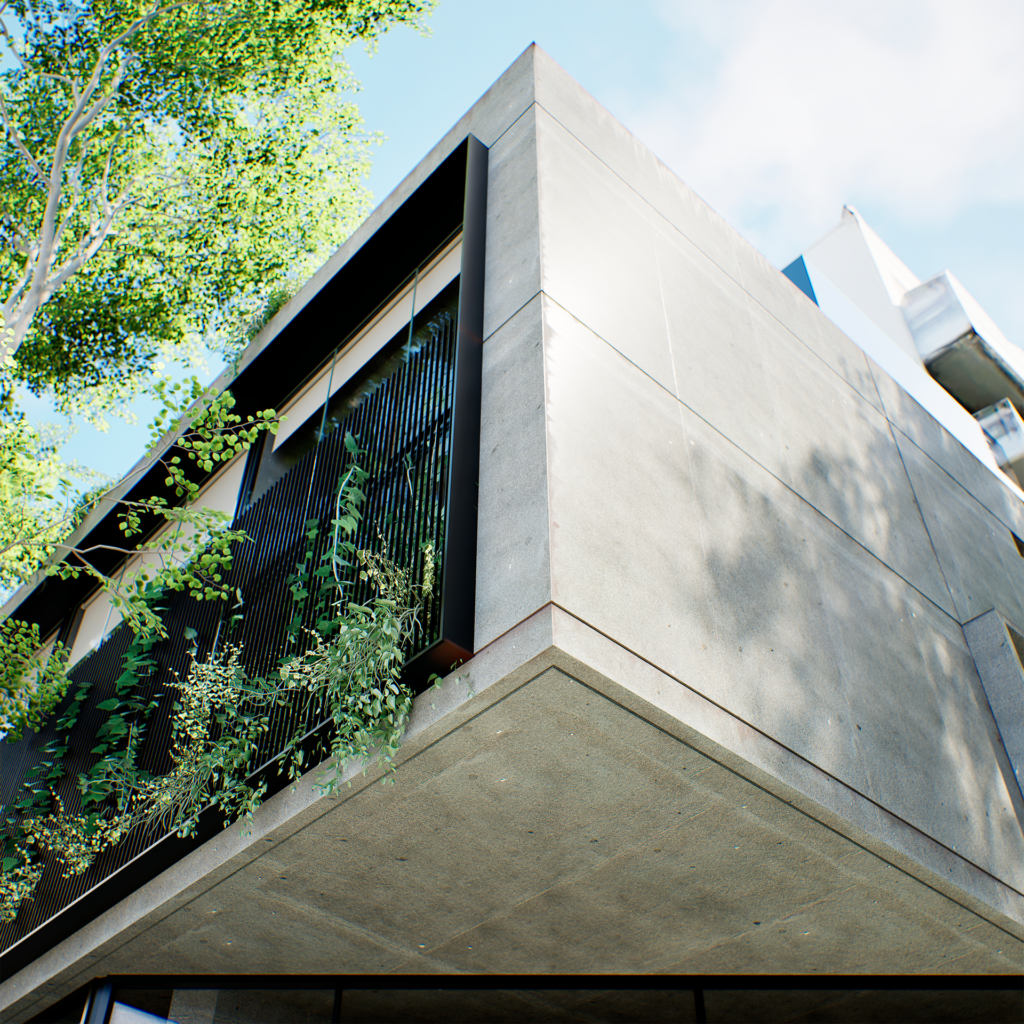
Pasaje Doctor Honorio Leguizamon 3800, Ciudad Autónoma de Buenos Aires, Argentina — 2025
Finca El Pongo, Jujuy, Argentina — 2022
 01 / 09