Autonomous residences in the jungle
San Jose, Misiones, Argentina — 2024


Architecture
La Rural, Avenida Sarmiento, Ciudad Autónoma de Buenos Aires, Argentina — 2022
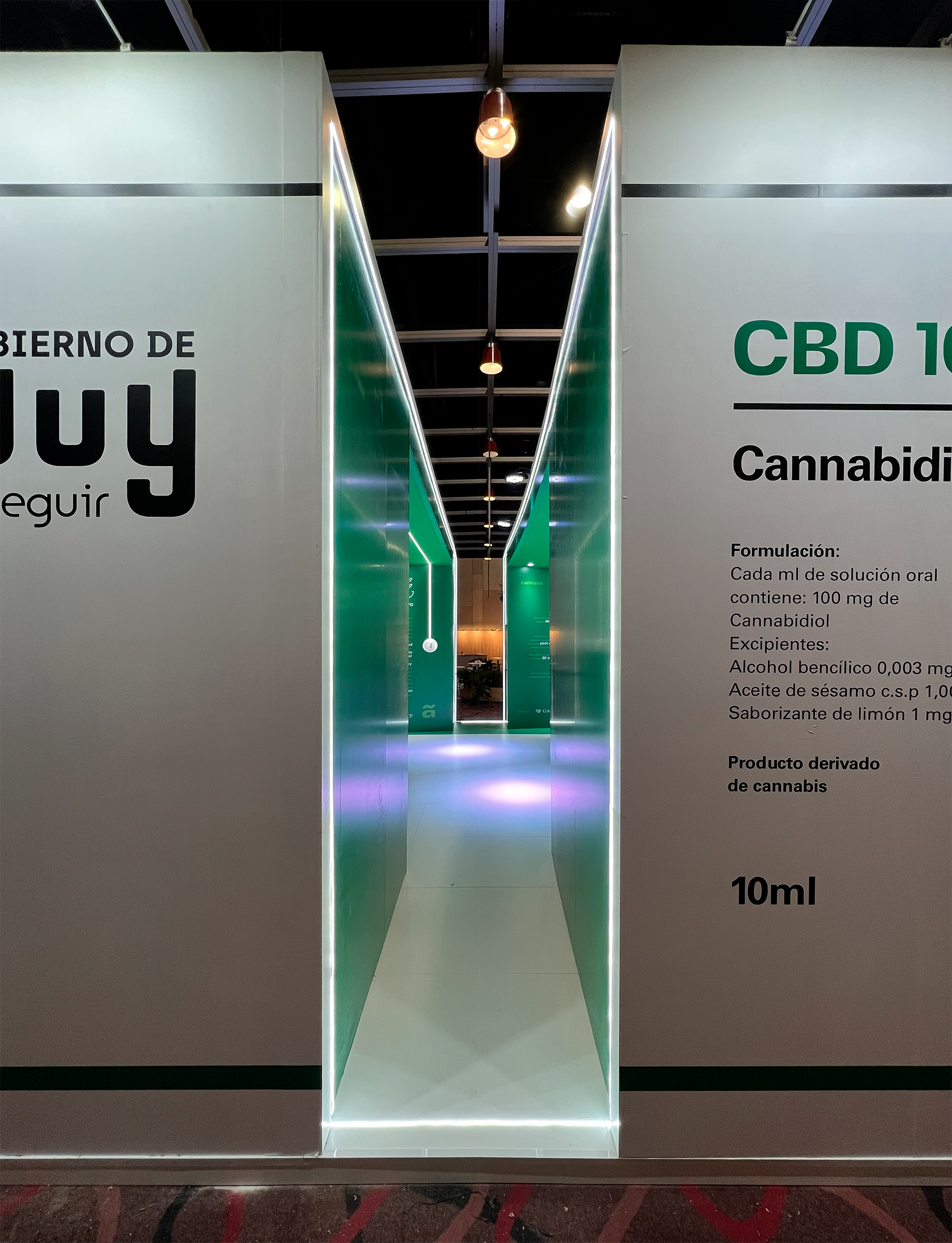
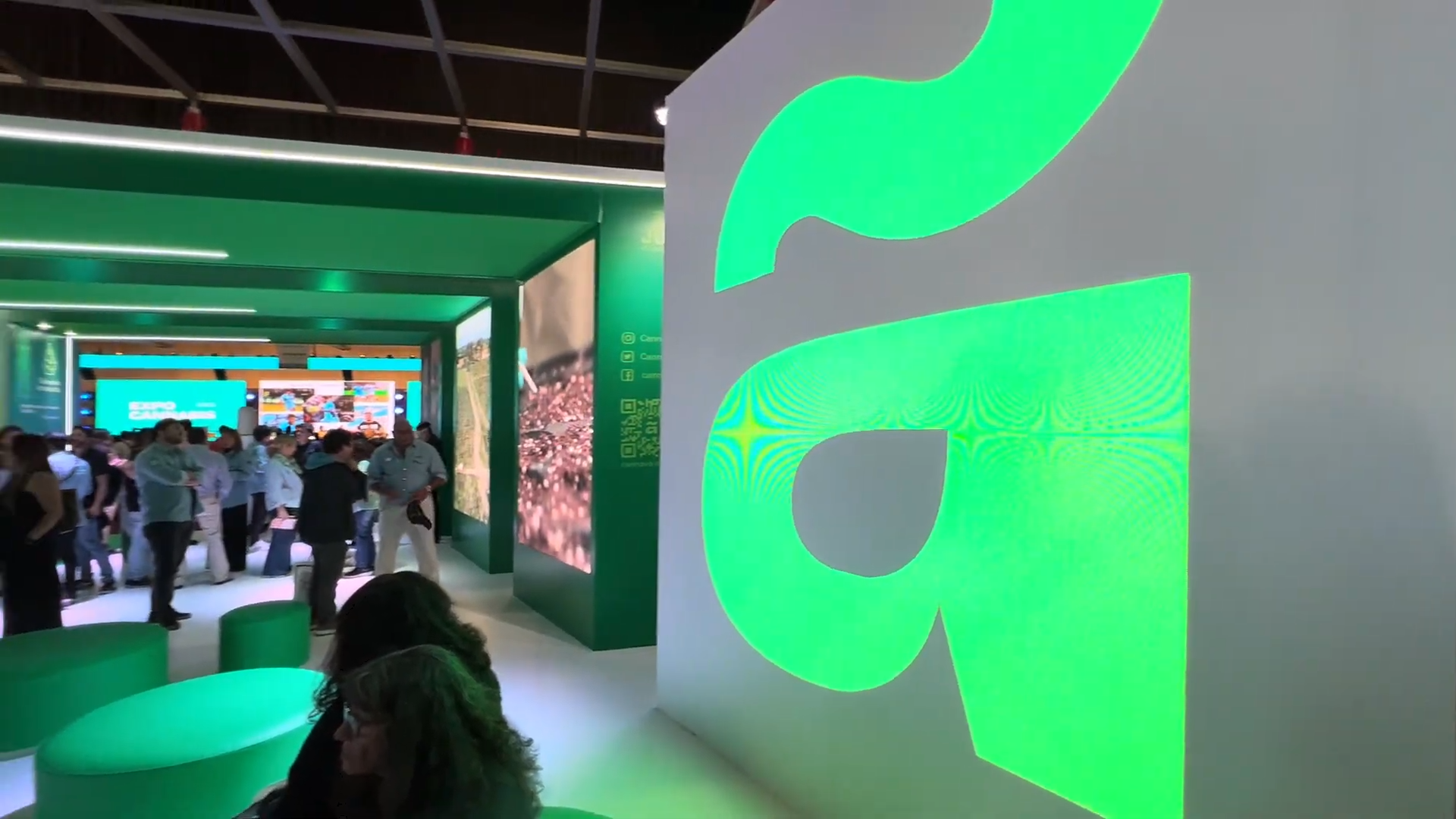
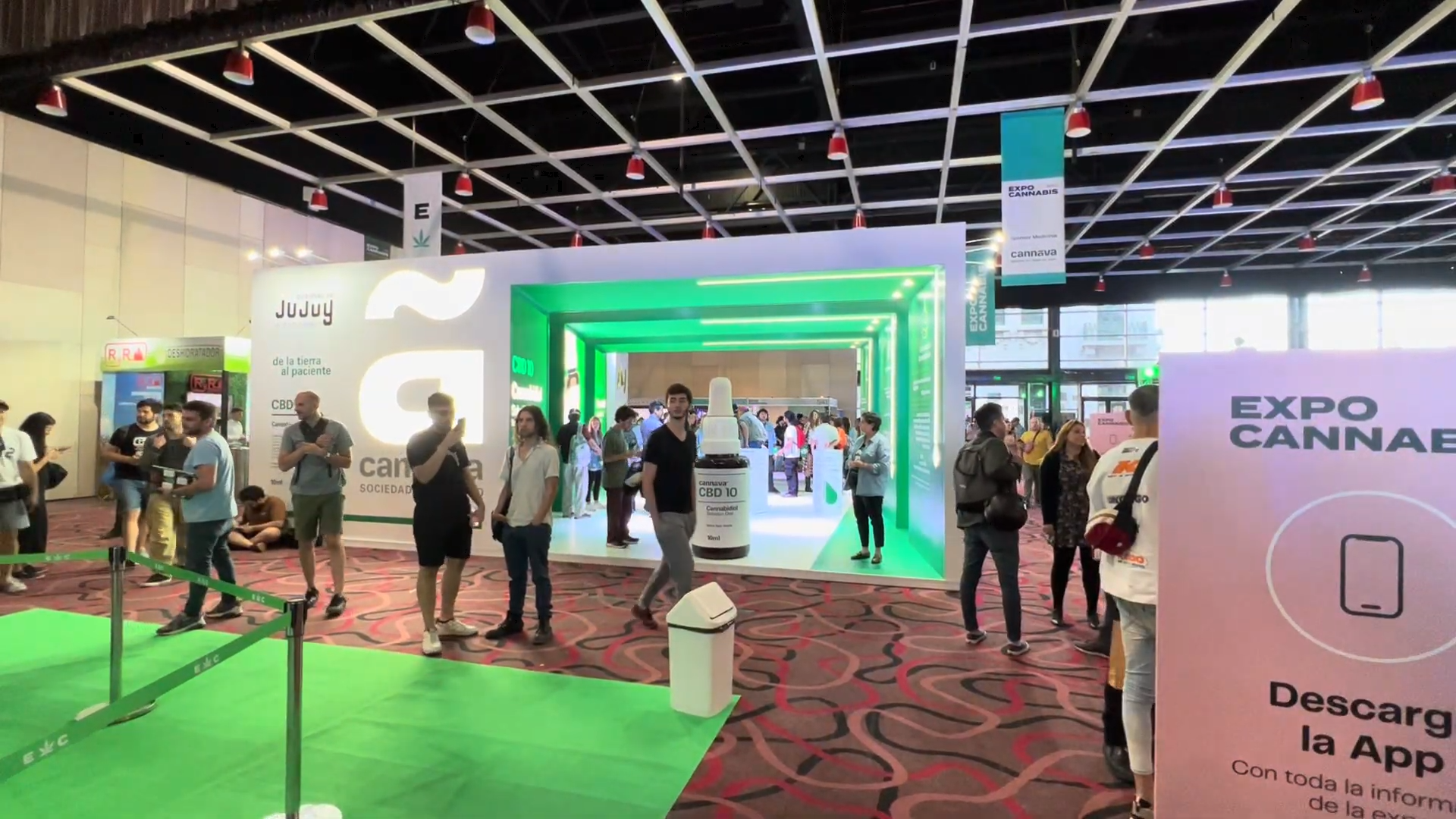
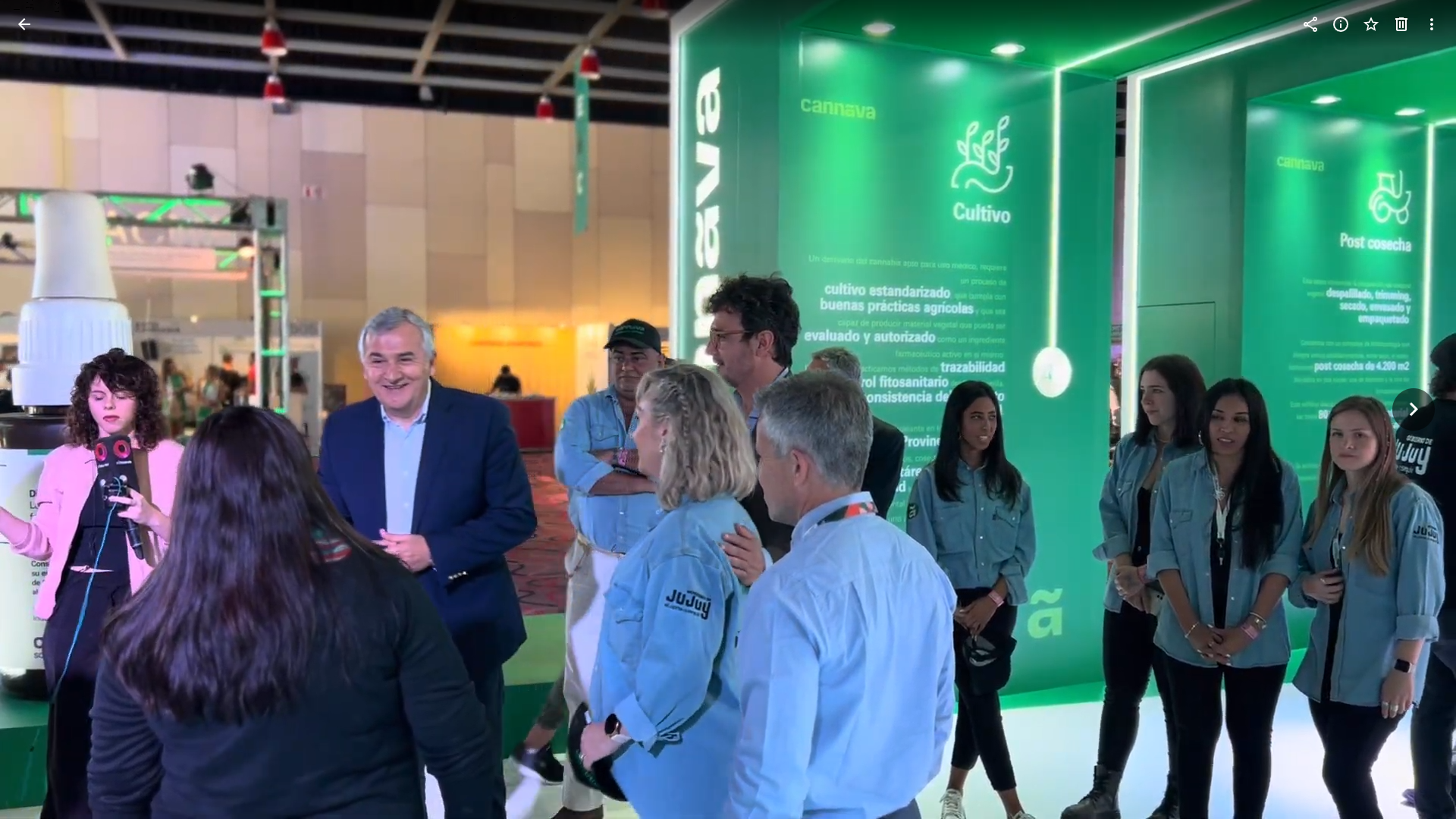
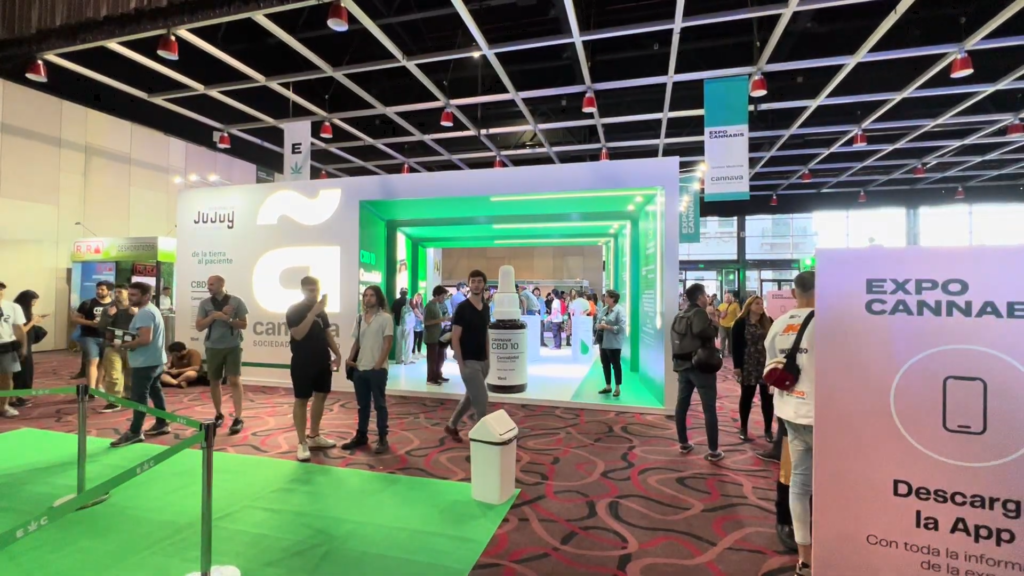
At Expocannabis 2022, Cannava transforms its institutional presence into an immersive architectural experience of urban scale. More than a hundred square meters conceived as an audiovisual tunnel cross the heart of the exhibition and turn the pavilion into an inescapable space of circulation, encounter and perception. Architecture, branding, technology and content integrate into a single continuous system to symbolically transfer the biotechnological revolution of Jujuy to the center of Buenos Aires.
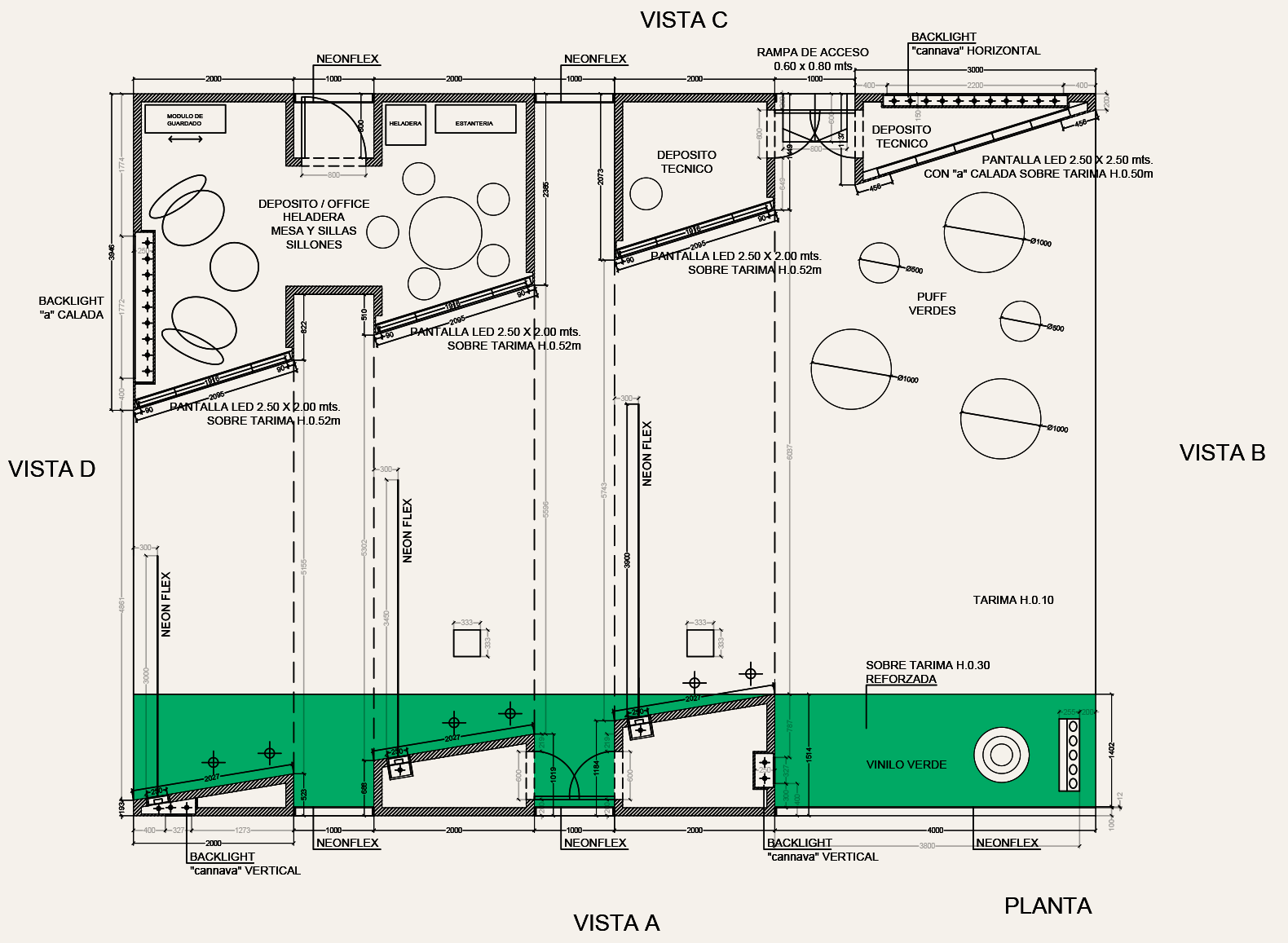
Following the impact generated by the pavilion developed in 2021, Cannava decided to deepen the conceptual and spatial strategy for its presence at Expocannabis 2022. The new proposal scales in ambition and technical complexity: an immersive audiovisual corridor of more than one hundred square meters conceived to function as the central axis of the entire fair.
The architectural operation is precise. Instead of building a closed or autonomous object, the project absorbs the main flow of visitors and incorporates it as an active part of the experience.
This continuous movement generates a dynamic, immersive, and ever-changing experience, where architecture, image, and movement function as a single integrated system.

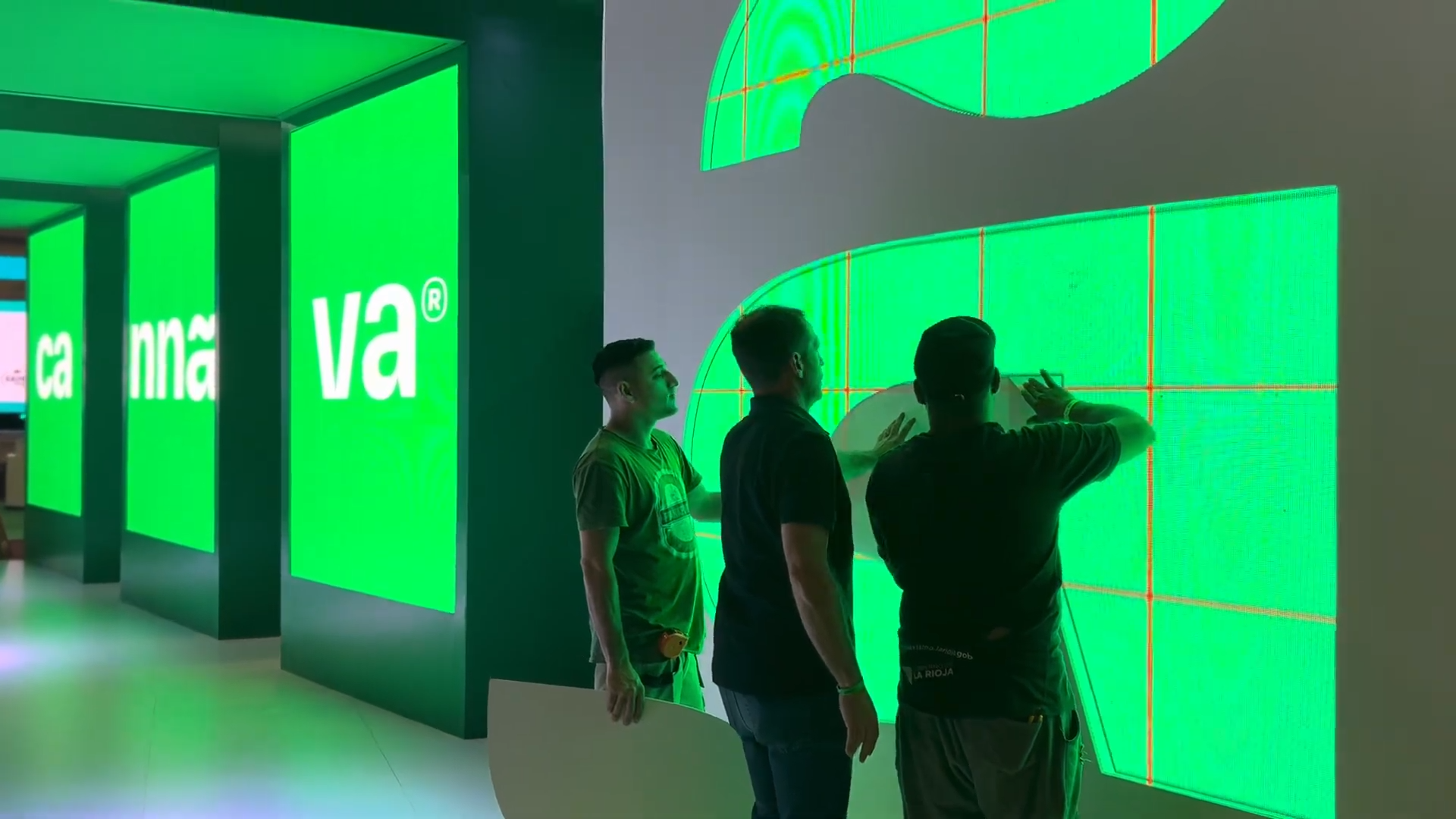
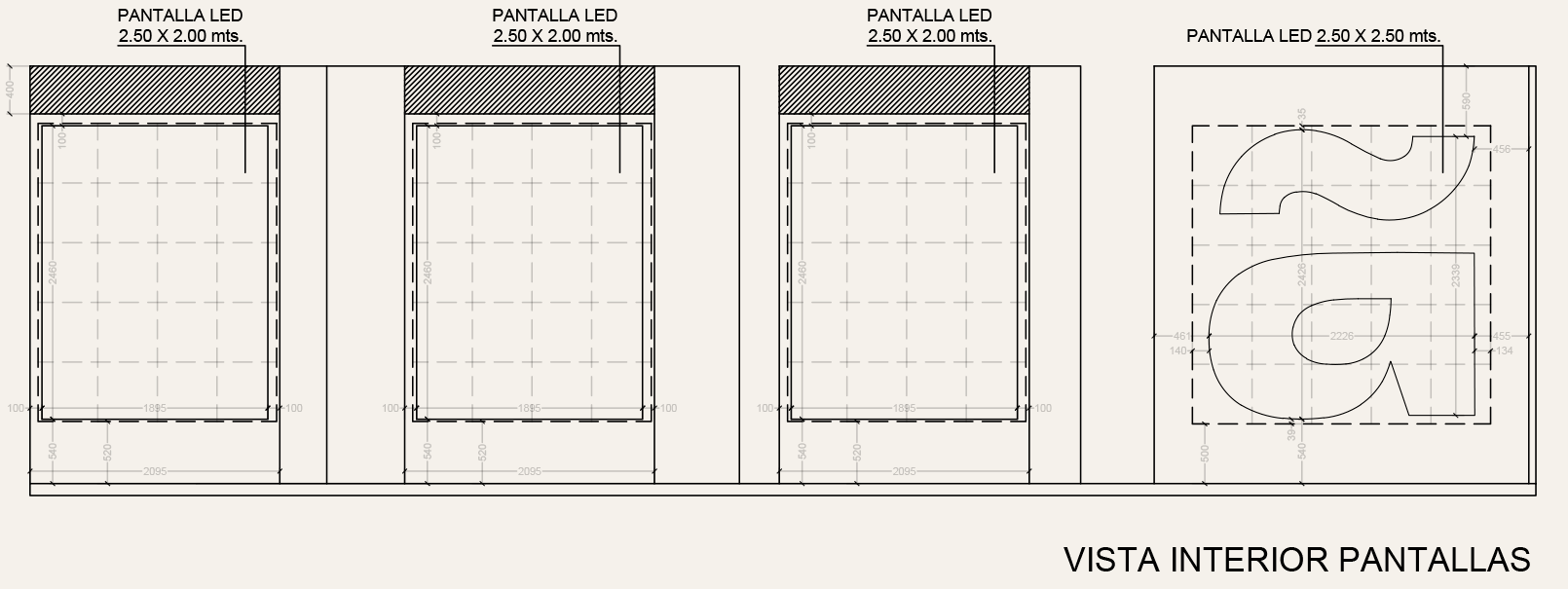
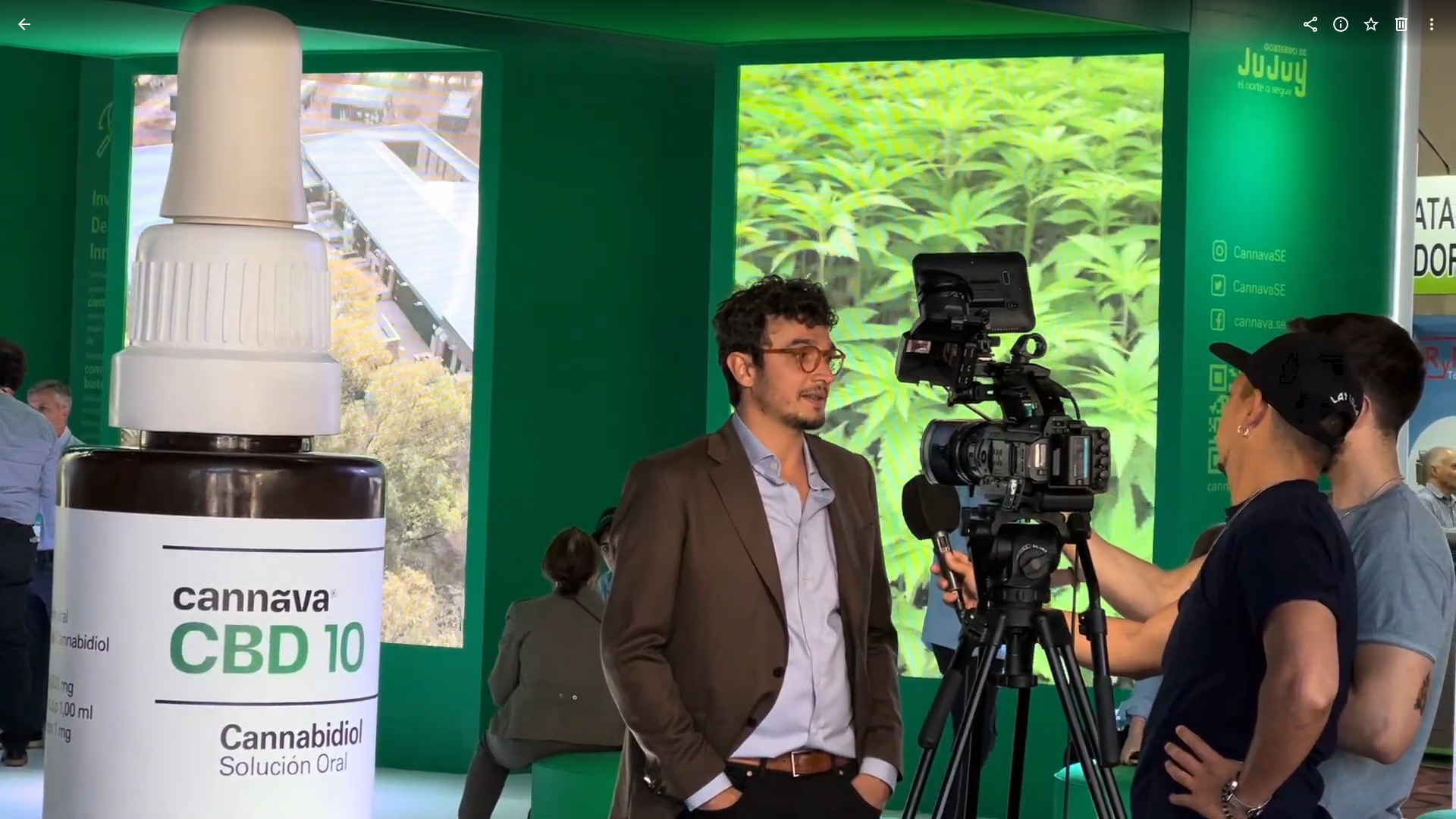
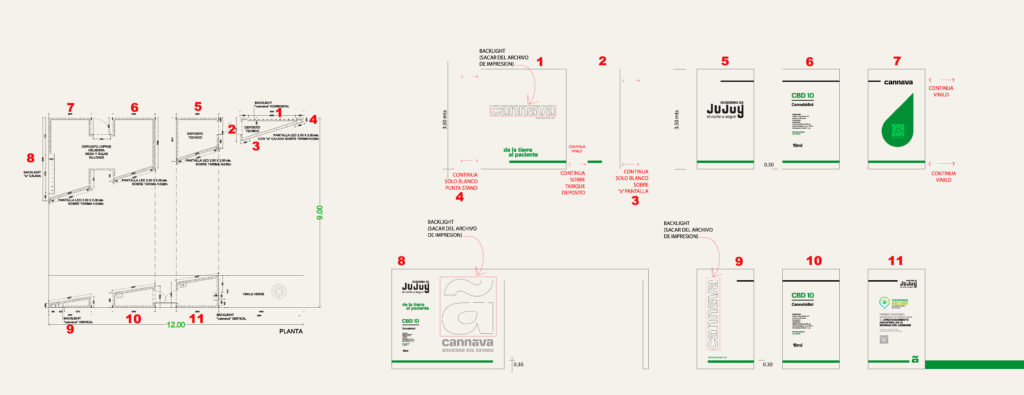
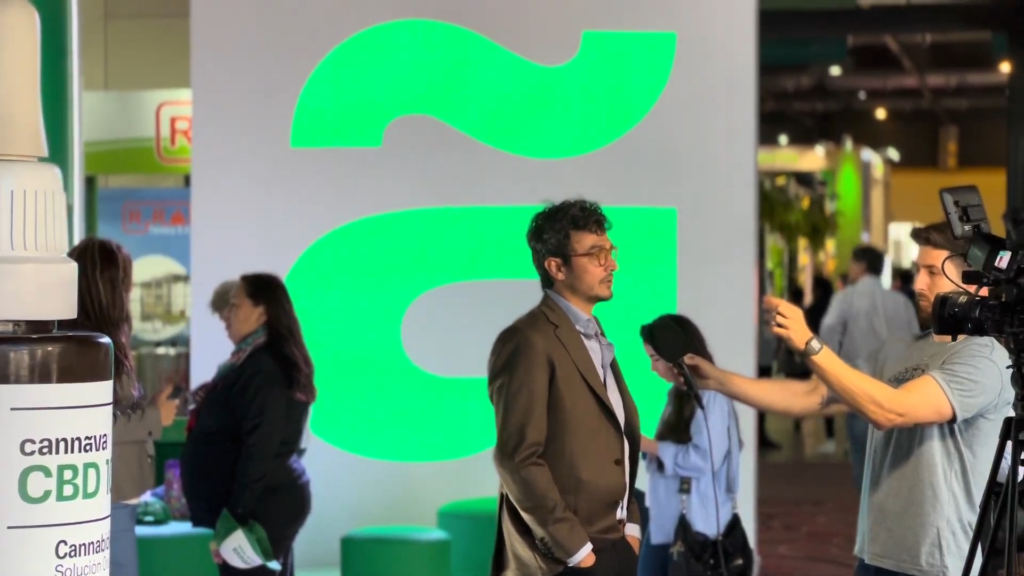
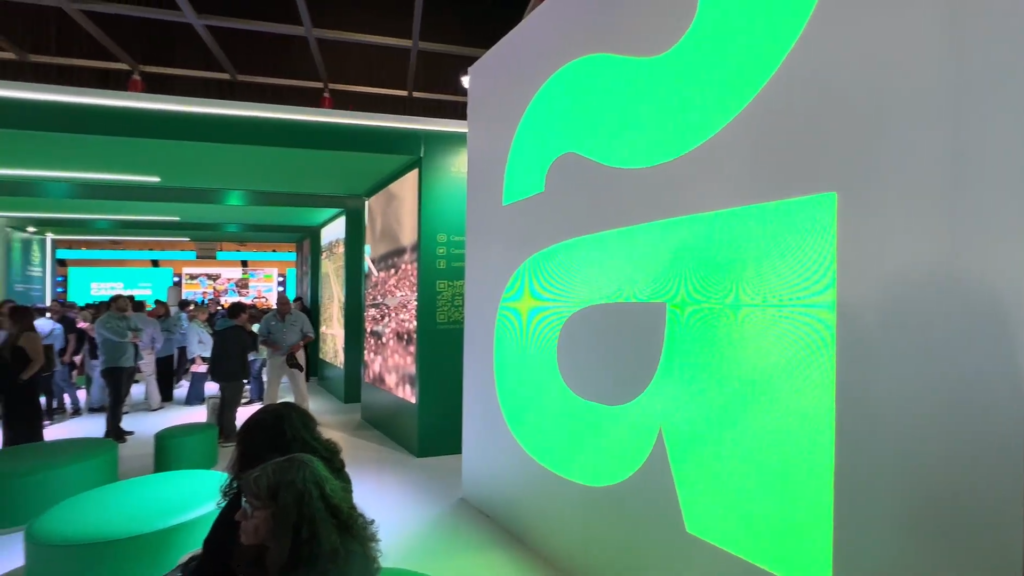
The scale of the project also involved an exceptional technical commitment. The interior of the tunnel was built from a sequence of synchronized screens specially designed to generate a continuous visual narrative with no perceptible interruptions between modules.
The audiovisual content was developed specifically for the architectural format of the pavilion. The animations cross the physical boundaries of each screen, dissolving the perception of fragmentation and generating the illusion of a continuous enveloping space.
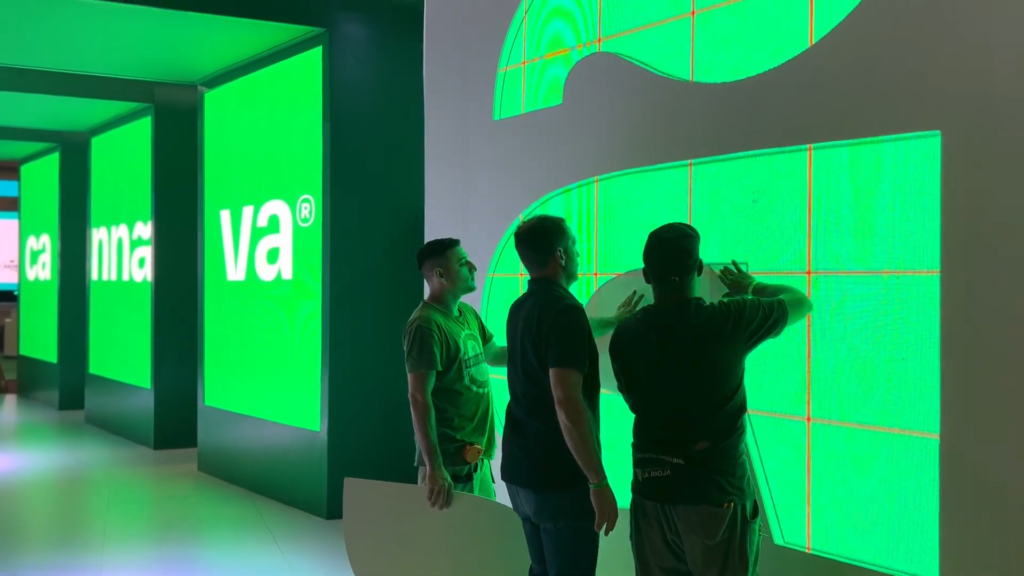
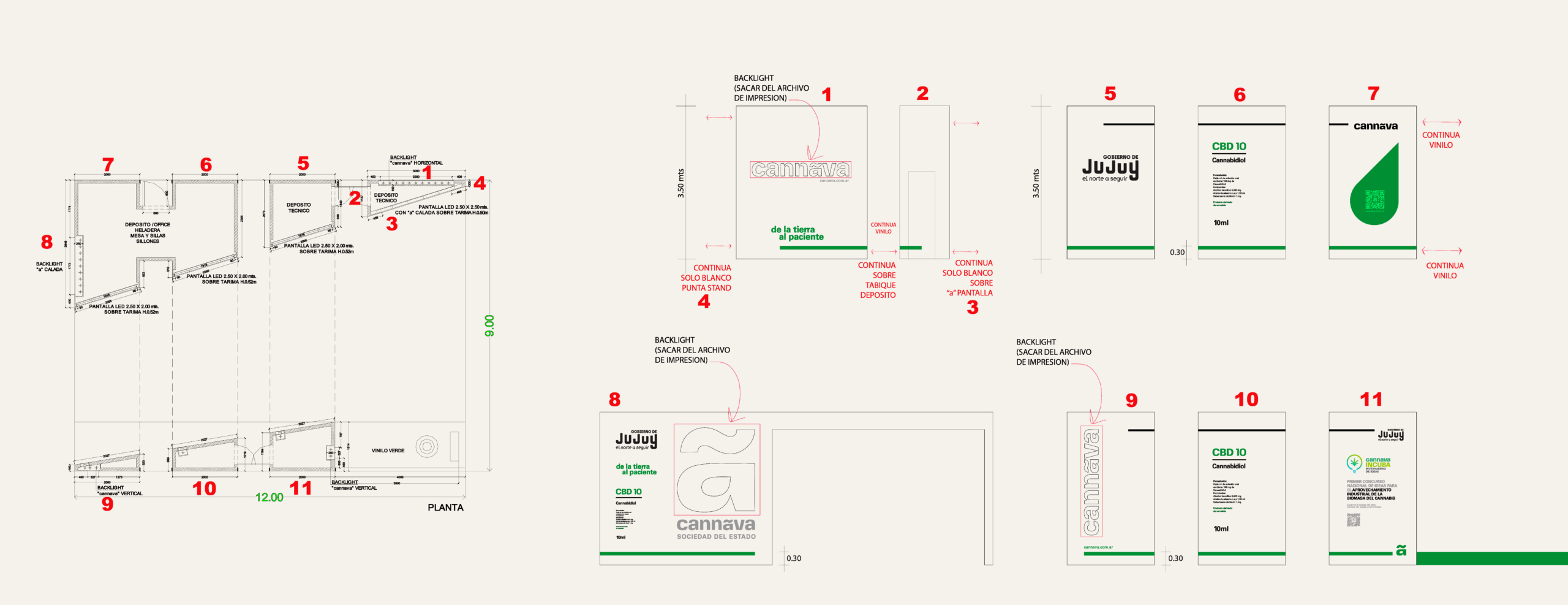
To achieve that level of precision, the studio integrally designed all the graphic and audiovisual pieces of the system. Technical spreadsheets and exact positioning grids were developed that allowed the digital content to be aligned with the physical geometry of the pavilion with millimetric precision.
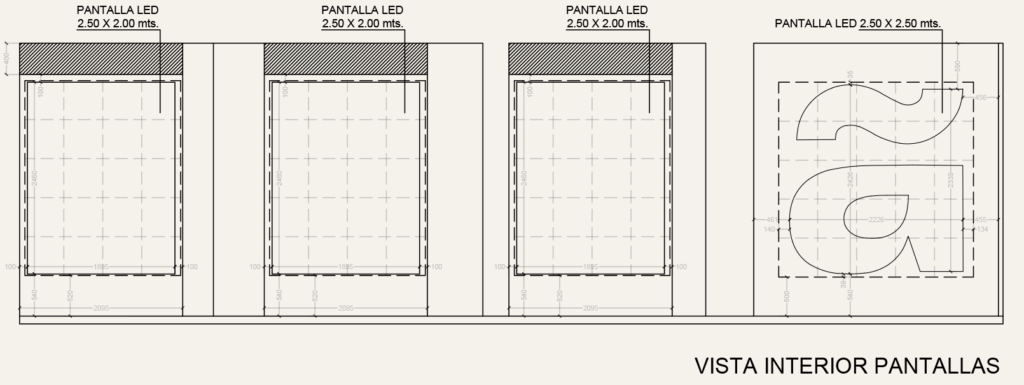
The coordination between physical support and digital content becomes here a central part of the project: a deliberate pursuit of visual continuity, technical accuracy, and perfect synchronization between architecture and screen.
The conceptual objective of the pavilion was to transport the territorial and productive experience of Cannava from Jujuy to La Rural, in Buenos Aires, more than a thousand kilometers away.
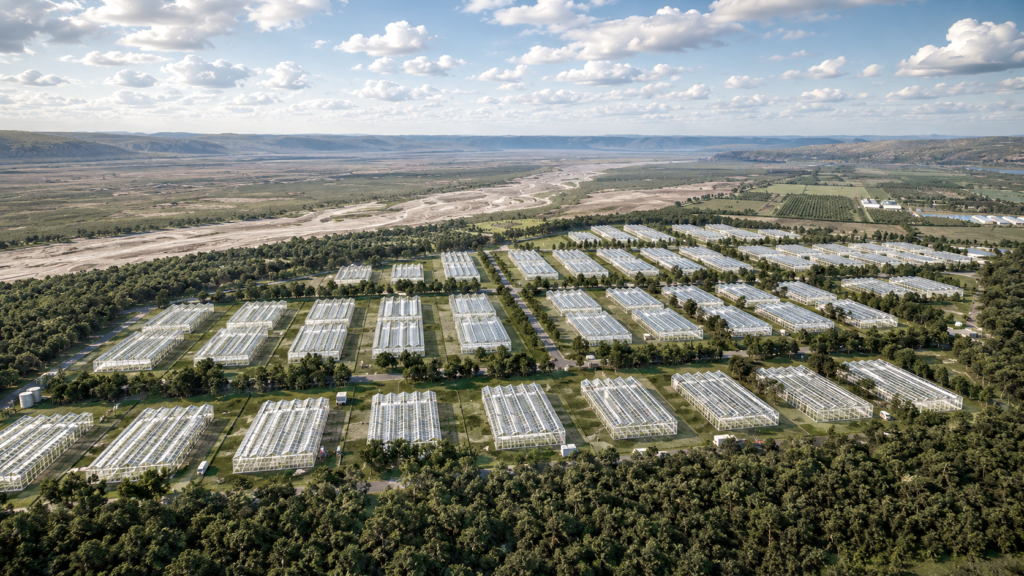
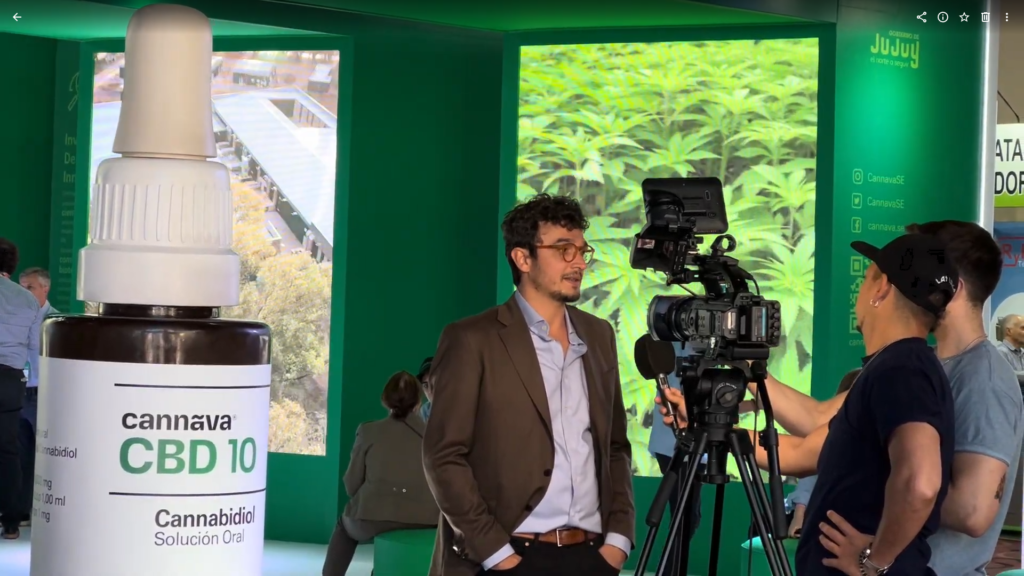
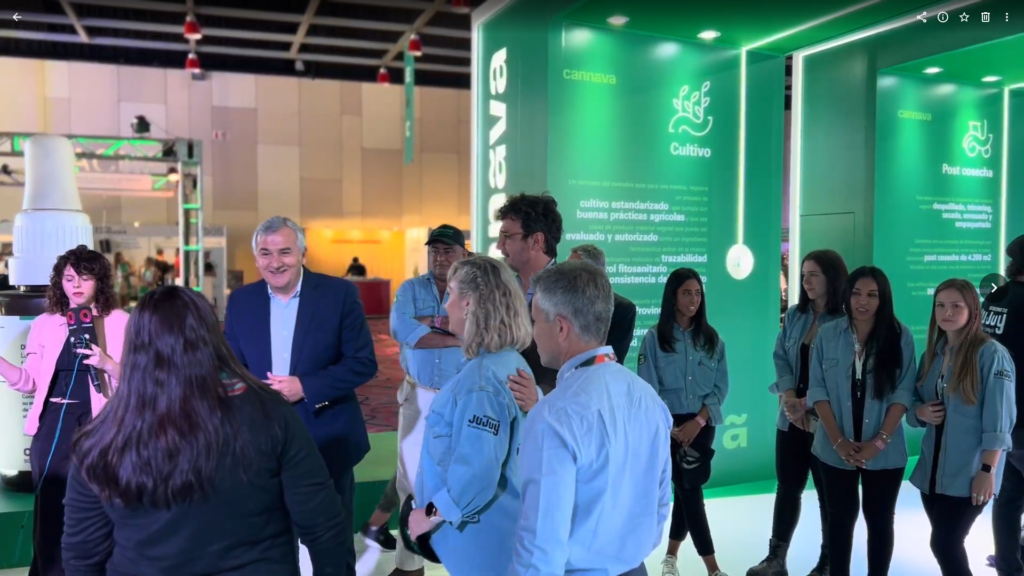
The screens reproduce real processes, productive scales, and concrete spaces of the biotechnological complex developed by Cannava at Finca El Pongo. The visitor does not receive information about Jujuy; they experience it directly.
The architecture then functions as an interface between territories. A device capable of symbolically connecting two distant realities: the productive landscape of northern Argentina and the city.
The project picks up and expands on some elements developed in the previous edition to consolidate a recognizable and coherent spatial identity.
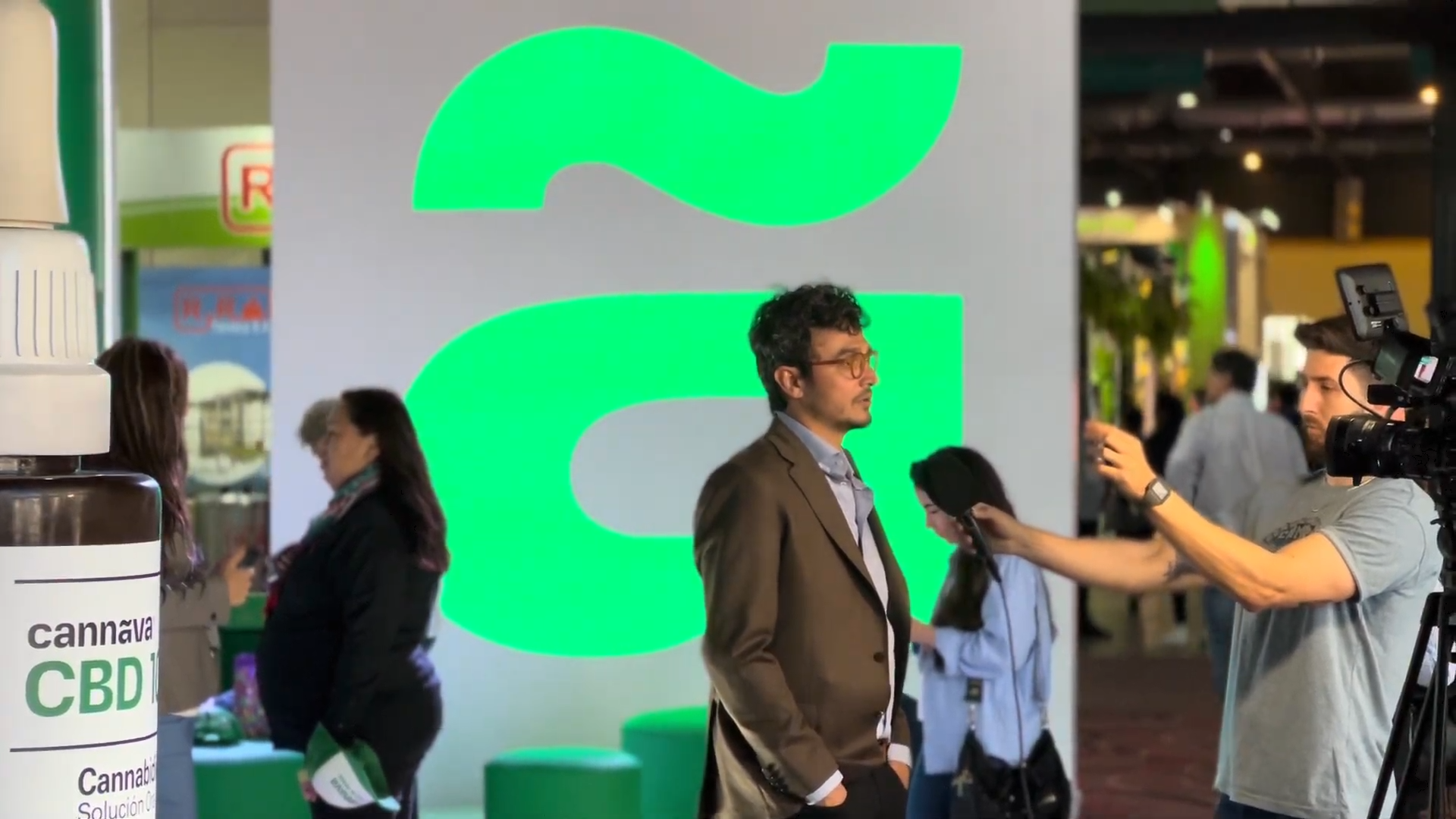
The large CBD10 dropper once again occupies the center of the pavilion as a sculptural piece and symbol of Cannava’s flagship product. At the same time, the general architecture is built on the same chromatic and formal codes as the previous year, but taken to a completely new scale and technical complexity.
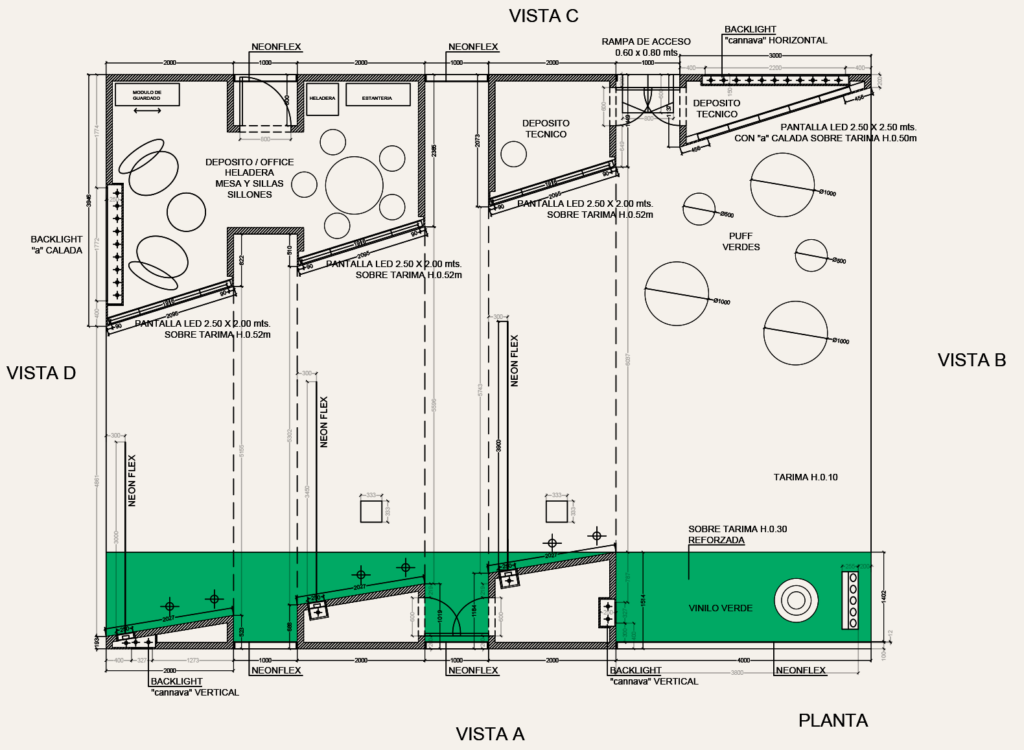
The repetition of the element does not respond to a decorative but a strategic logic: to build visual continuity and strengthen brand positioning within a highly competitive context.
At that intersection of ephemeral architecture, branding, and immersive experience, the Cannava Expocannabis 2022 pavilion consolidates itself as a spatial operation of great conceptual and technical precision.
As part of the comprehensive strategy developed for Expocannabis 2022, the studio also participated in the initial conceptualization of Cannava Incuba – Ideas Greenhouse, an open innovation competition designed to foster the development of projects related to industrial and medical cannabis.
The proposal expands the reach of the pavilion beyond the expository experience, incorporating an institutional and knowledge-transfer dimension that seeks to position Cannava as an articulator of the emerging cannabinoid ecosystem in Argentina.
The competition calls for projects from different Argentine provinces and functions as a platform to identify initiatives linked to innovation, applied research, sustainability, and productive development within the sector.
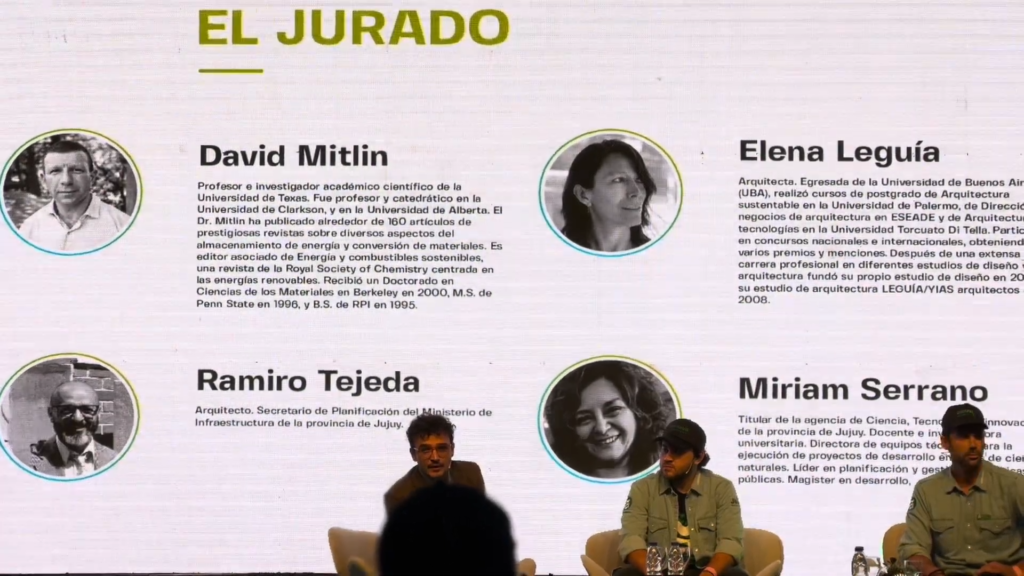
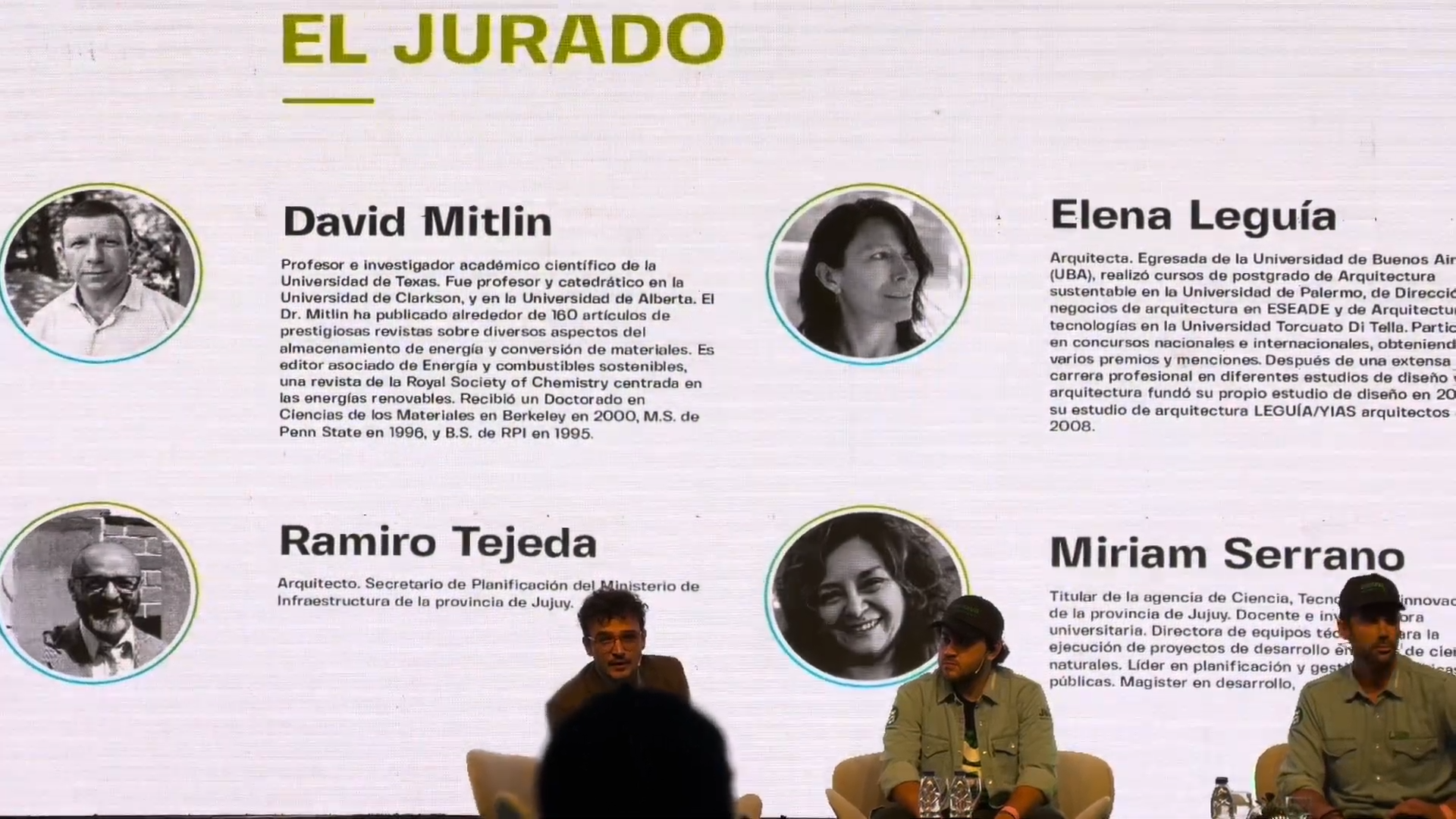
Architect Elena Leguía represents the studio as a jury member of the competition, participating in the evaluation and selection of the finalist proposals alongside figures from the scientific, industrial, and entrepreneurial spheres.
In this way, the participation of Leguía Yias Arquitectos in Expocannabis 2022 exceeds the architectural design of the pavilion and expands toward the conceptual construction of an innovation ecosystem with a federal vocation.
 01 / 12