Cannava jujuy, Finca El Pongo, Jujuy, Argentina — 2021
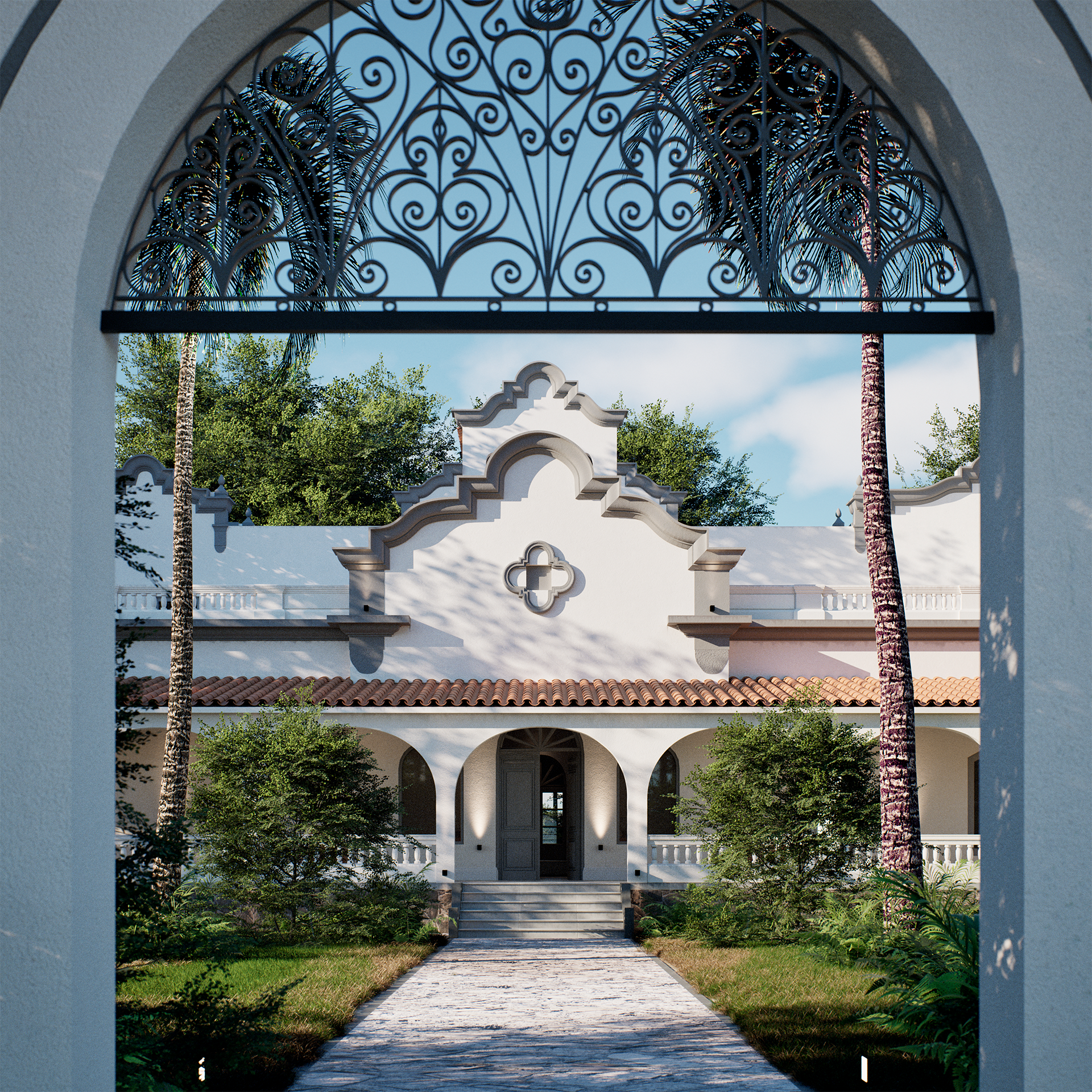
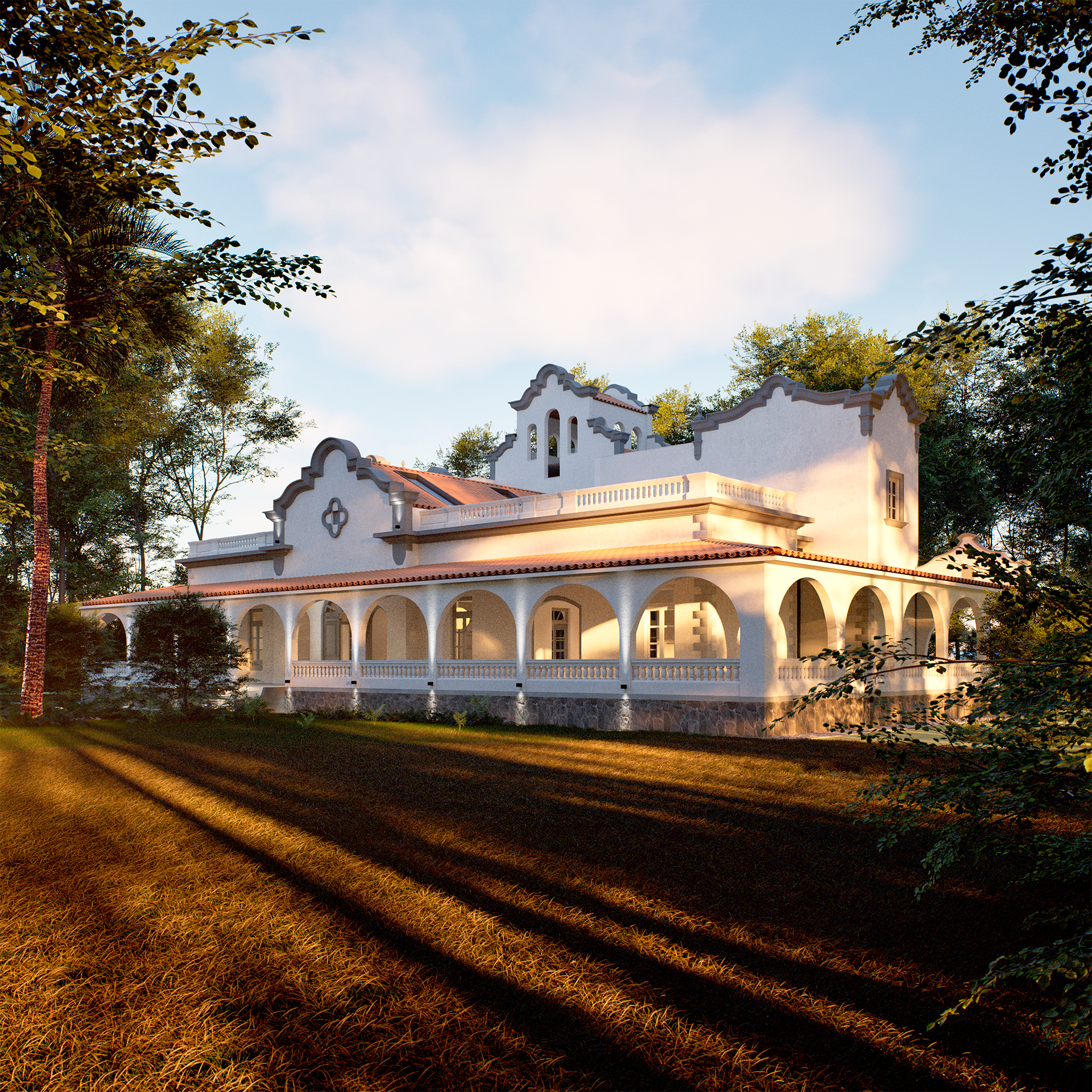
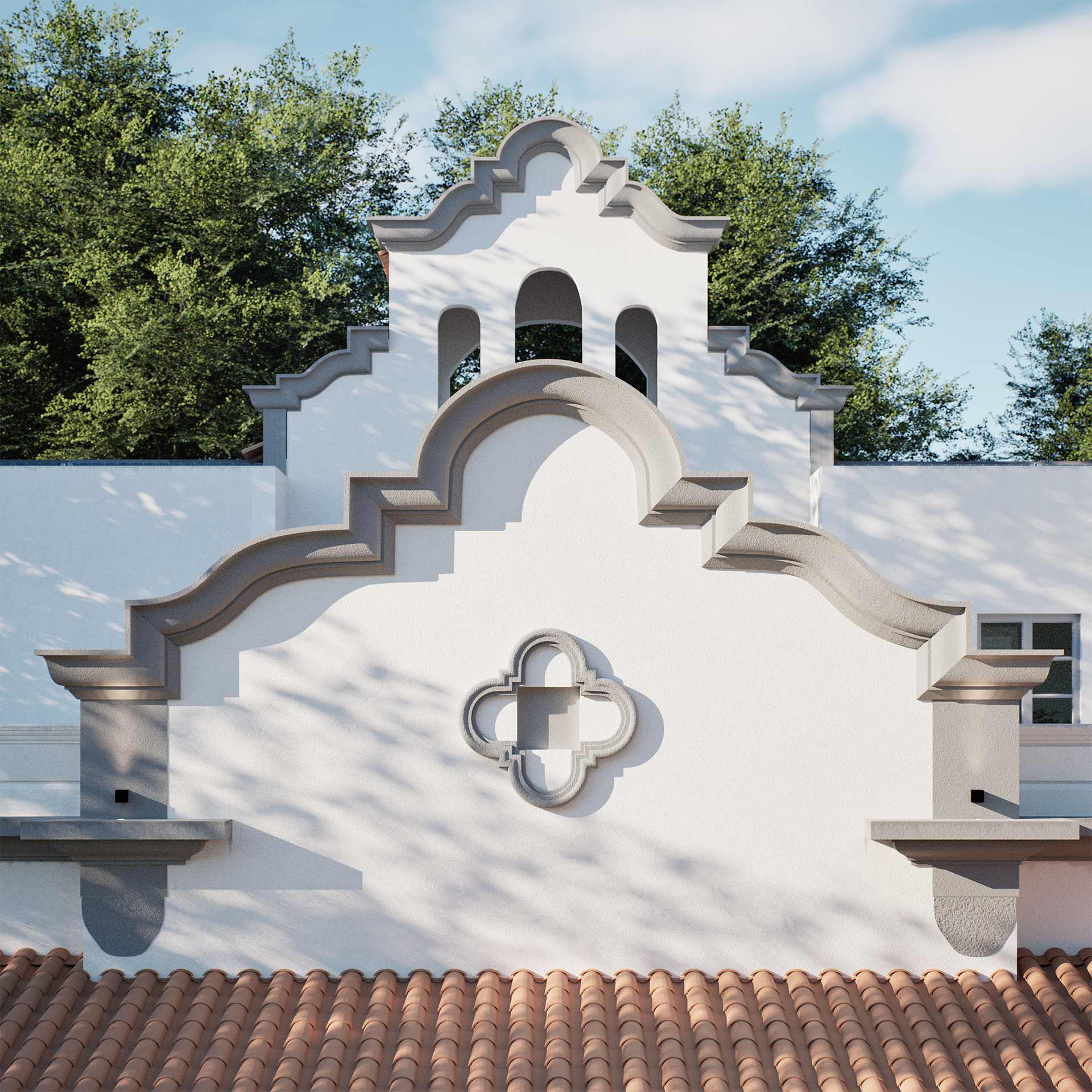
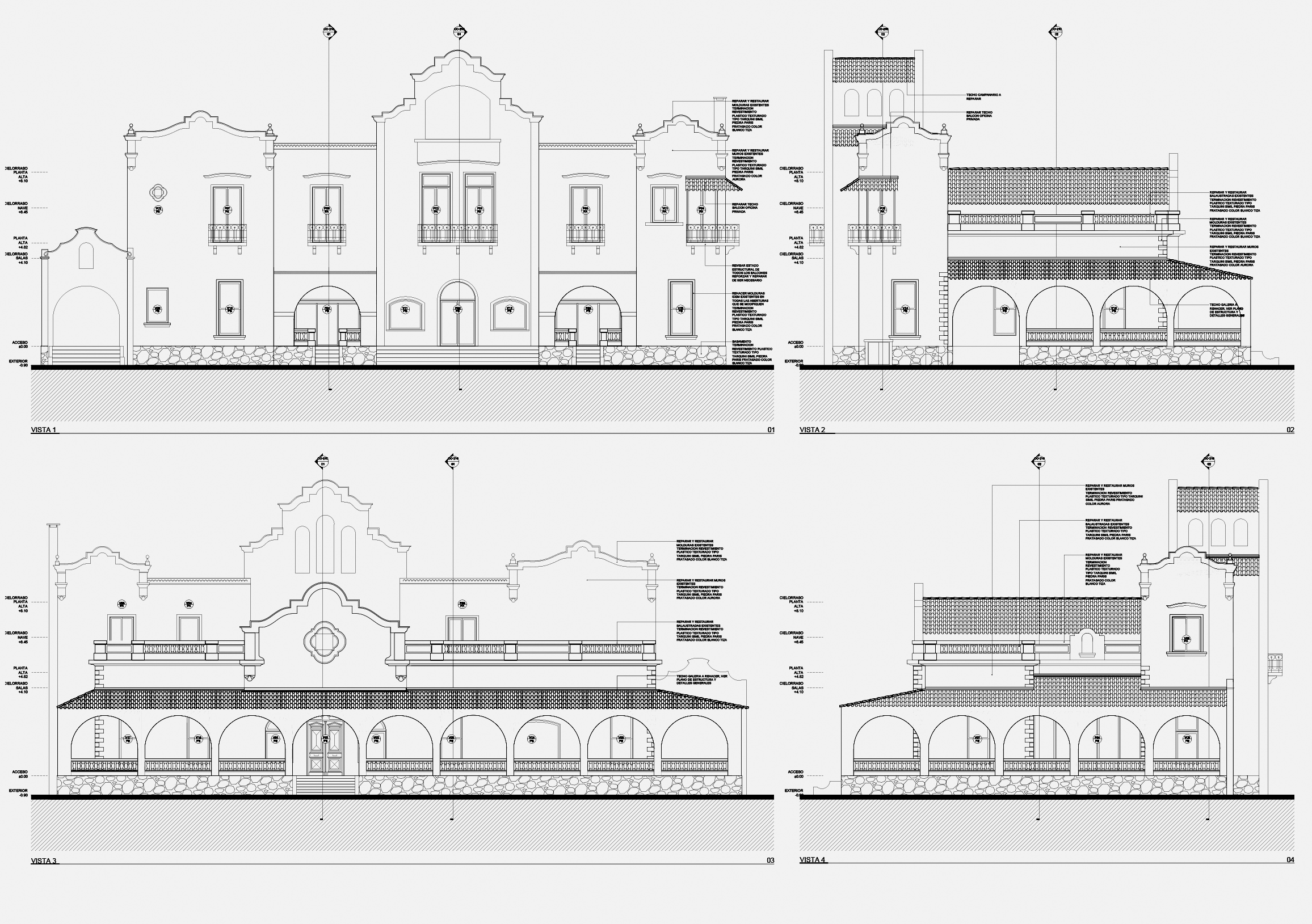
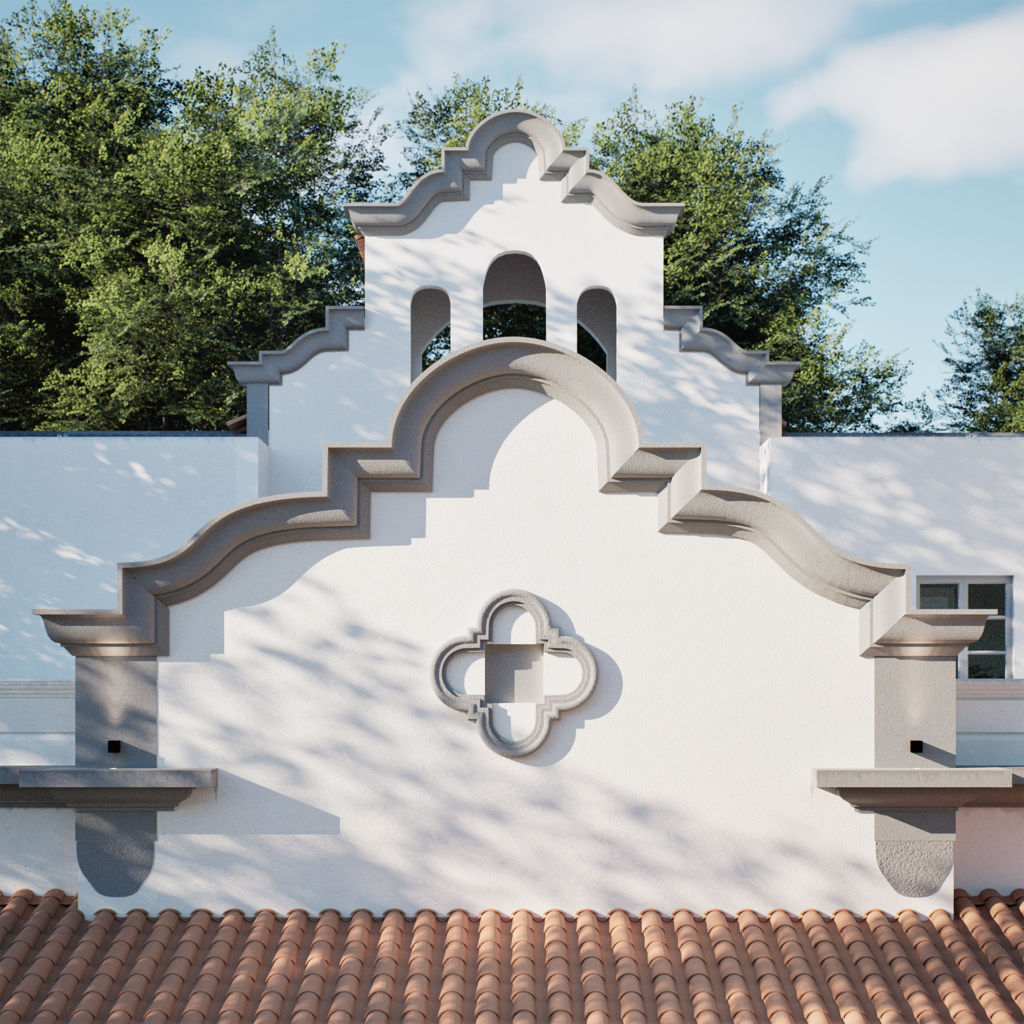
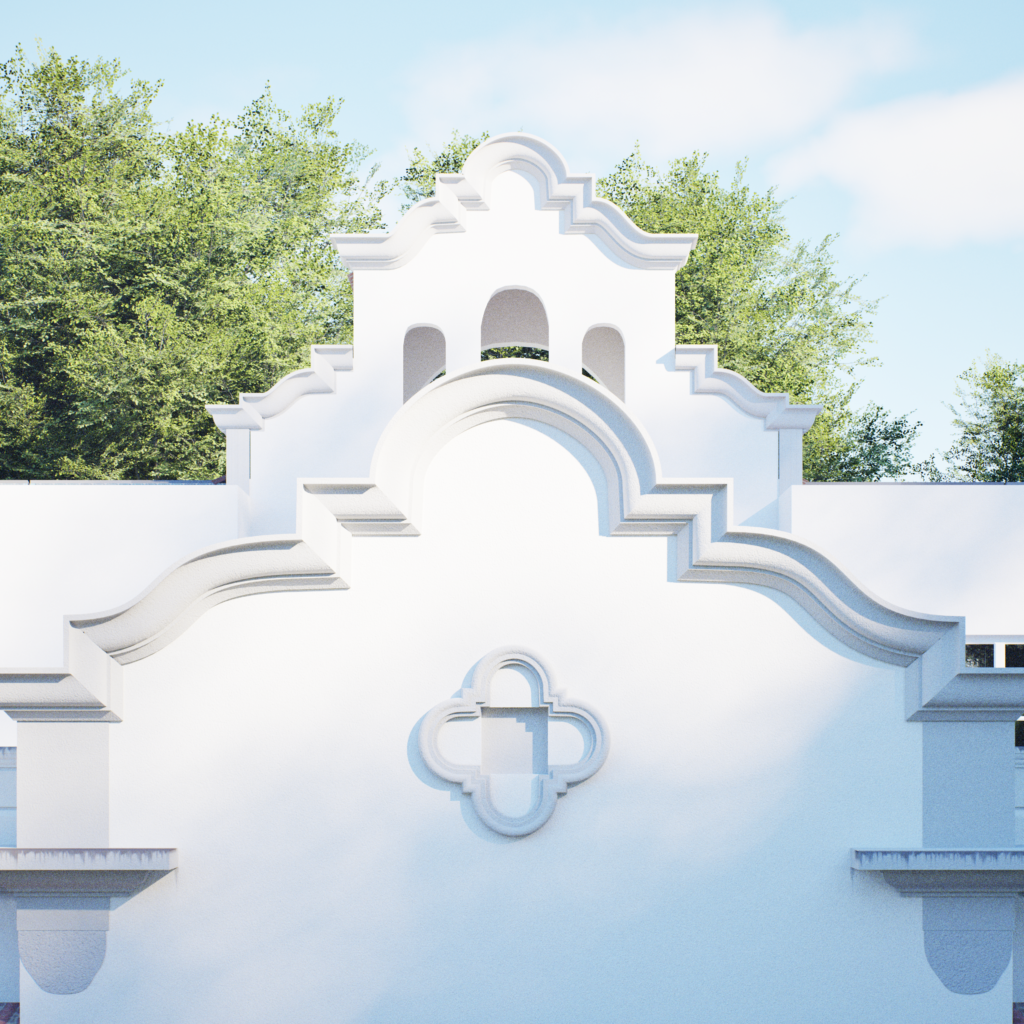
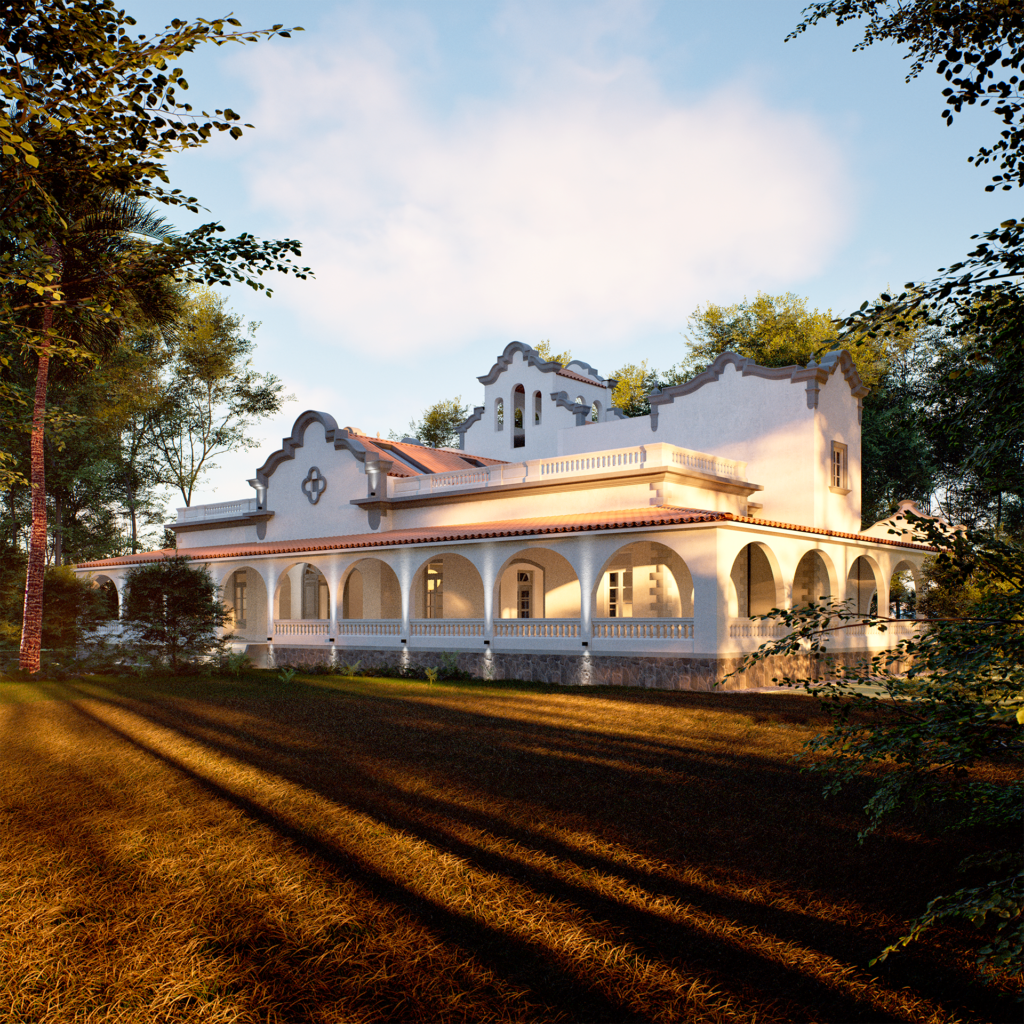
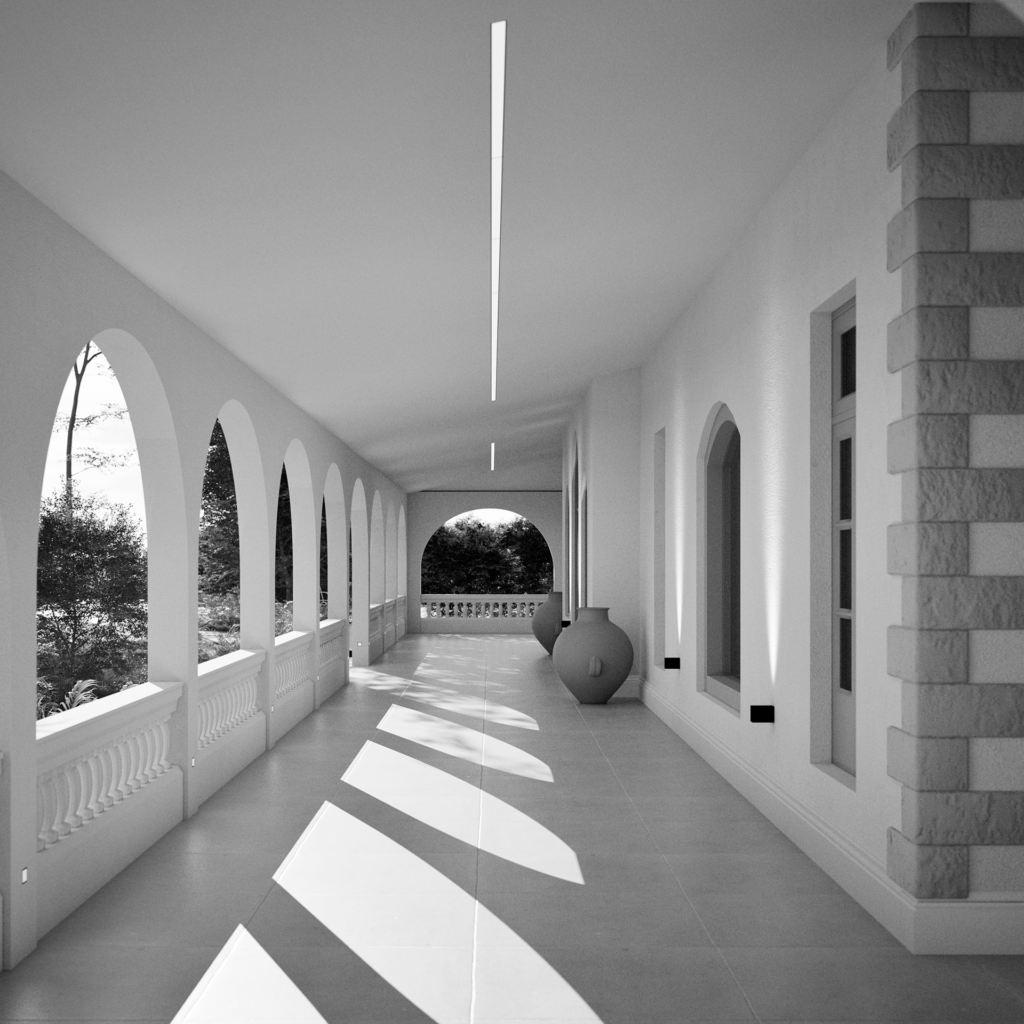
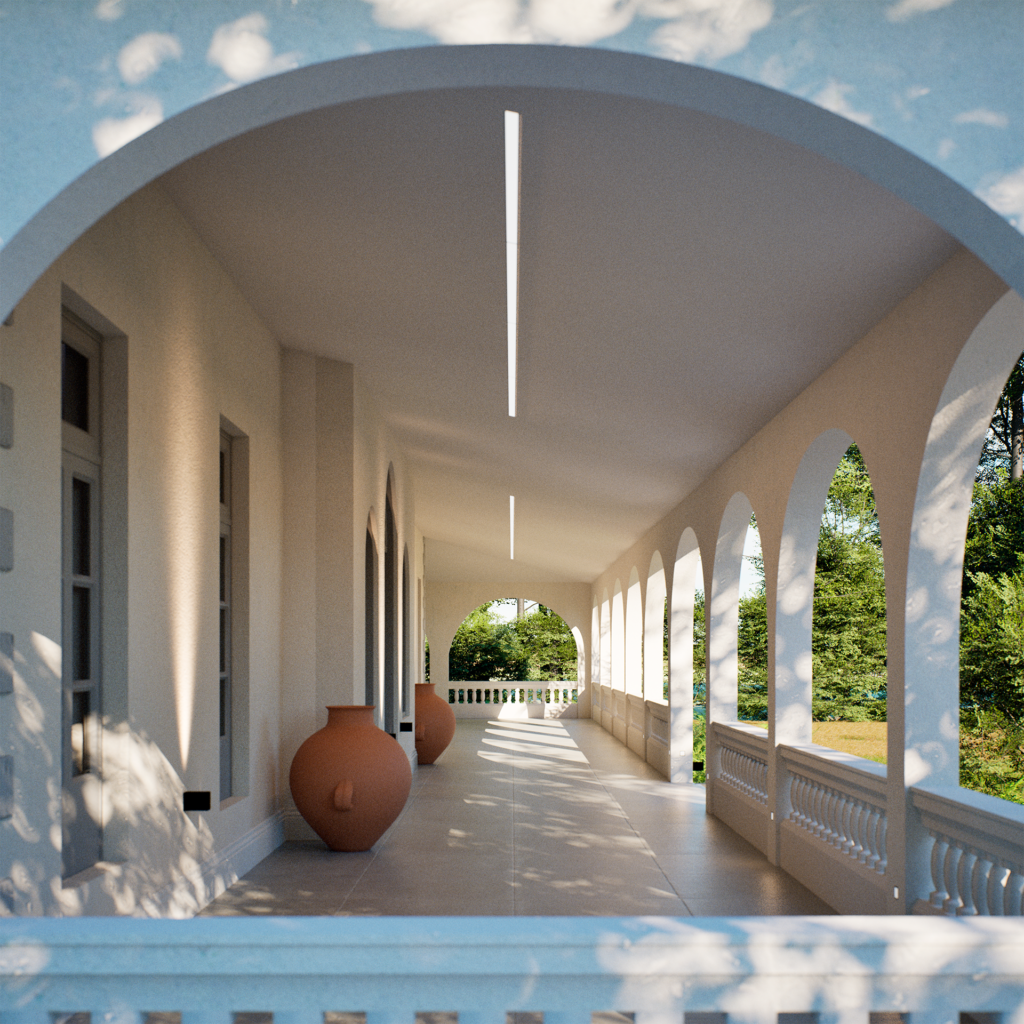
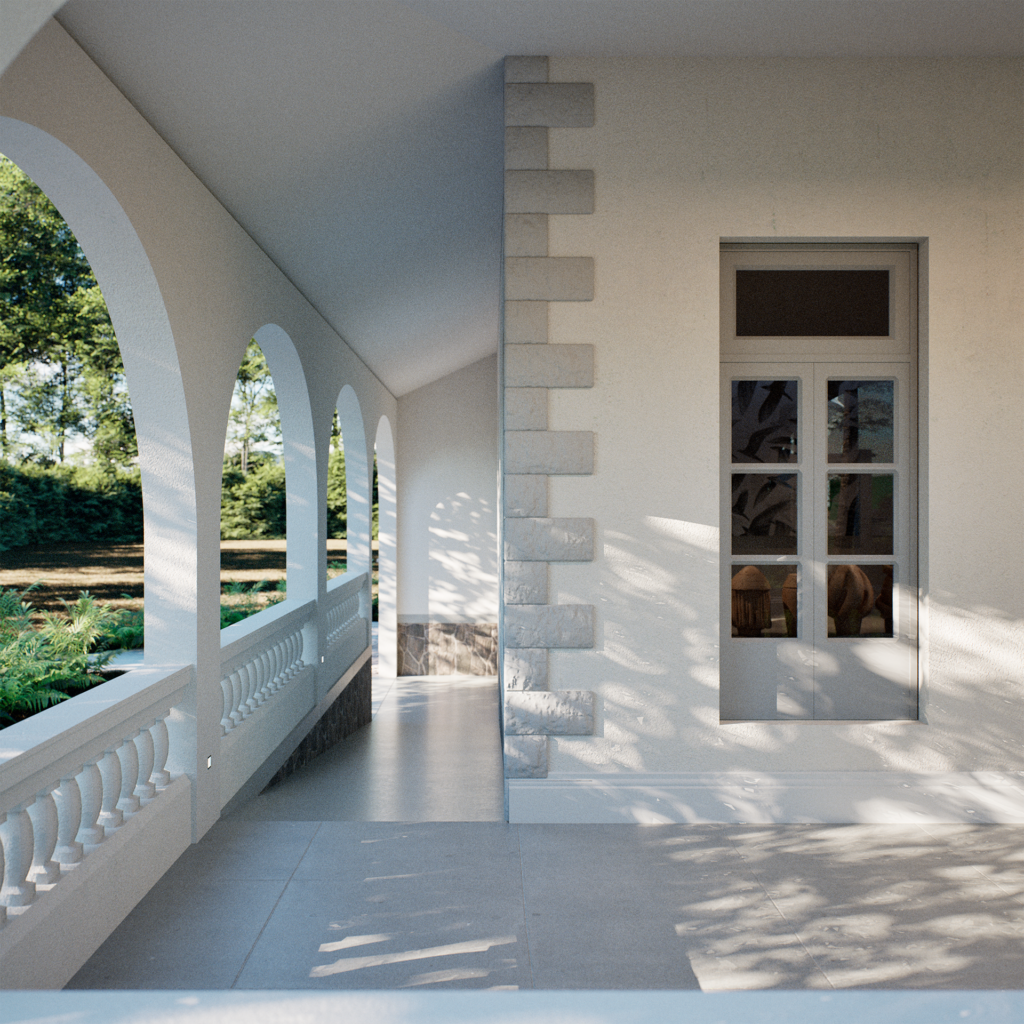
Built in colonial neoclassical style, the building represents great value for the province, both for its beauty and for its symbolism, tradition and legacy. Few examples of this architectural style remain in Jujuy territory.
LocationCannava jujuy, Finca El Pongo, Jujuy, Argentina
ClientCannava S.E.
Year2021
Area730 m²
HISTORICAL IMPORTANCE
The building, constructed in colonial neoclassical style, represents great value for the province, both for its beauty and for its symbolism, tradition, and legacy. Very few examples of this architectural style remain in Jujuy territory.
The Jujuy Historical Heritage Department was actively involved in the development of the preliminary ideas.
INTRODUCTION
Recovering the history and giving new meaning to the building is an important message of responsibility and commitment from the government of Jujuy.
The use of the building will respect the legacy of the Zabala family, who donated the estate to the Jujuy state to improve the facilities of the Perico hospital and care for the living conditions of the people.
Within a high-technology master plan project with a strong image of modernity, the main building will be a representative of the culture and rural tradition of Jujuy.
THE PROJECT
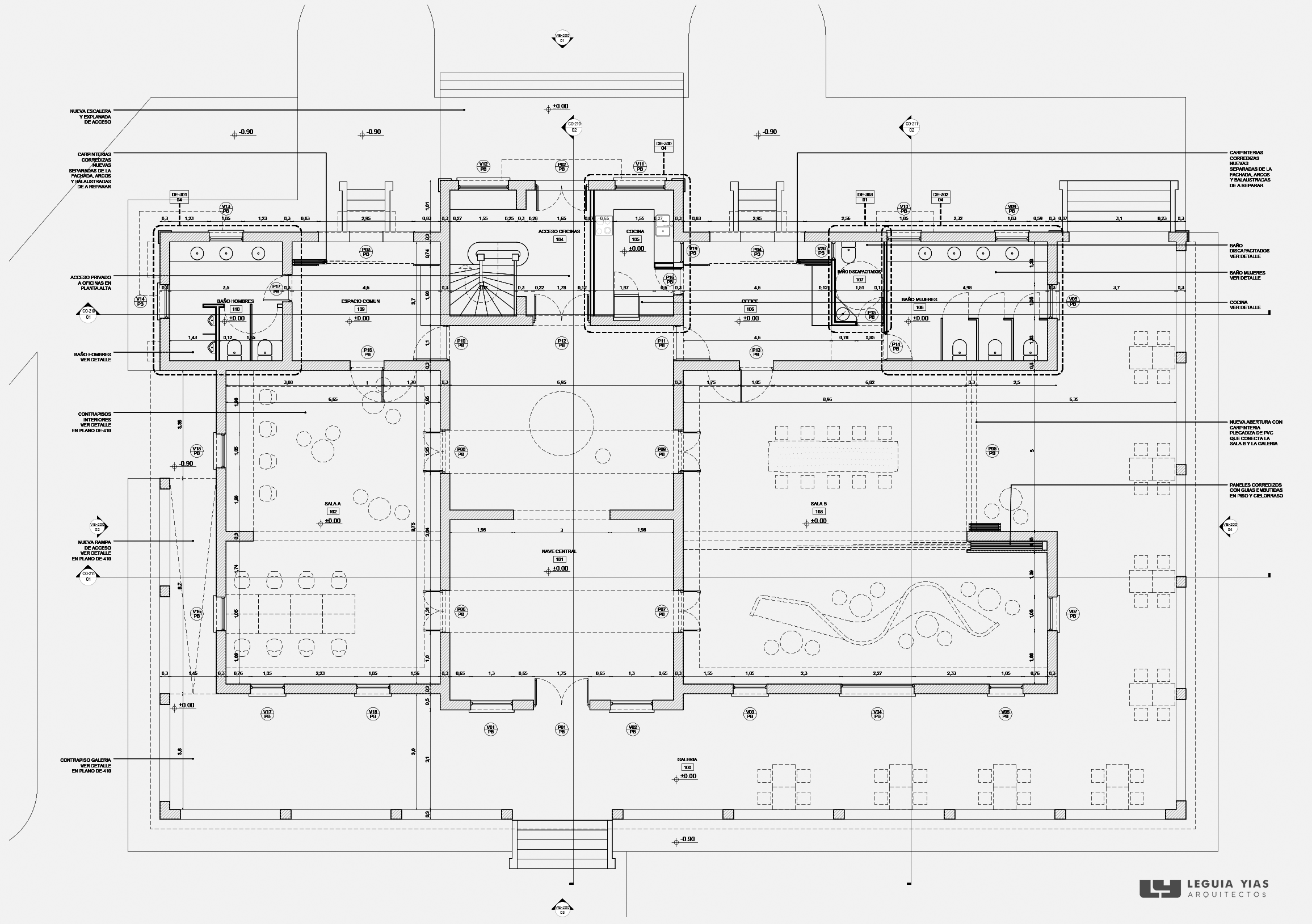
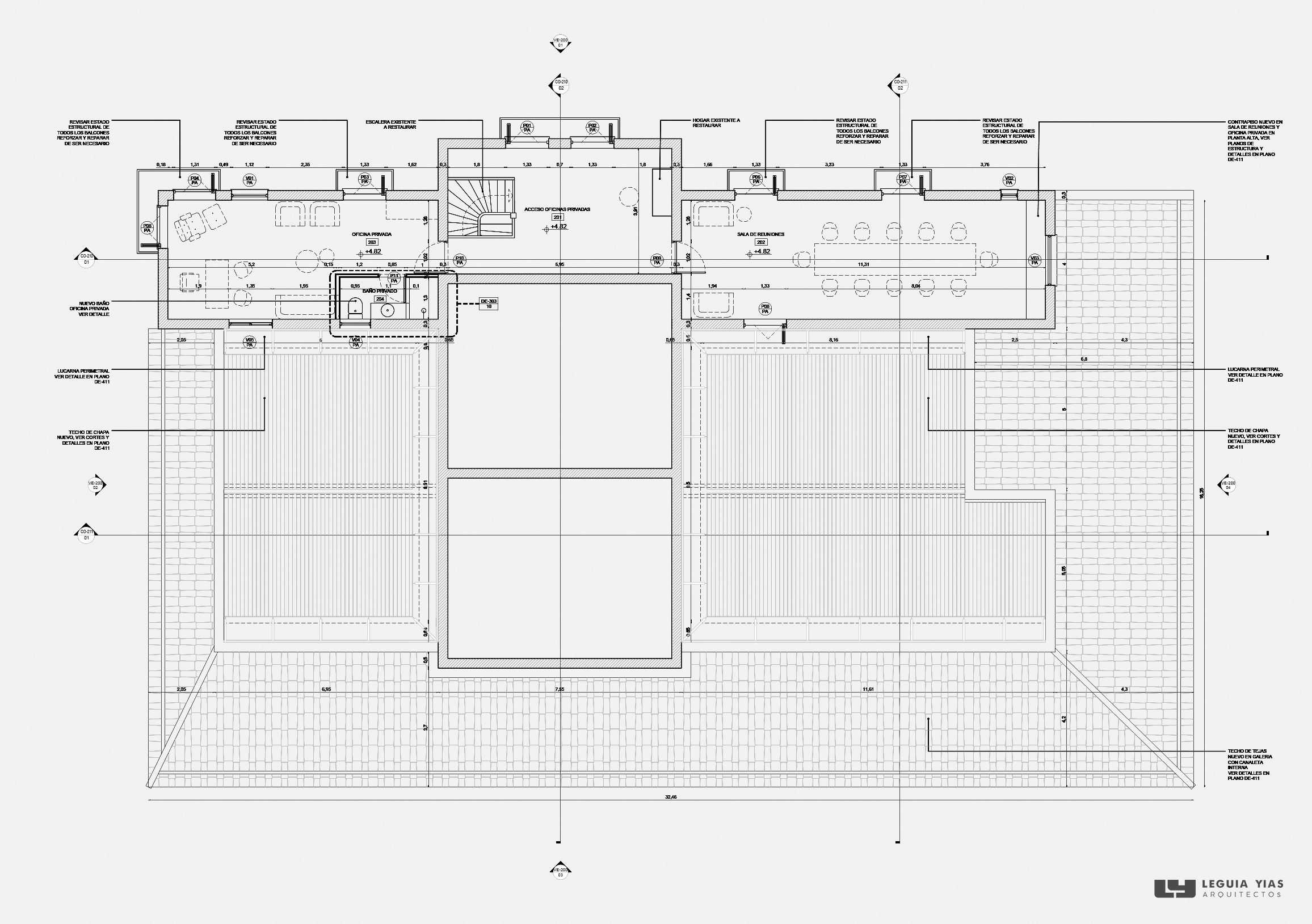
It is a building of more than 700m² located at Finca El Pongo, about 30 km from San Salvador de Jujuy. Originally designed with a compartmentalized functional structure, its spaces lost relevance with the change of use to which it was subjected for decades.
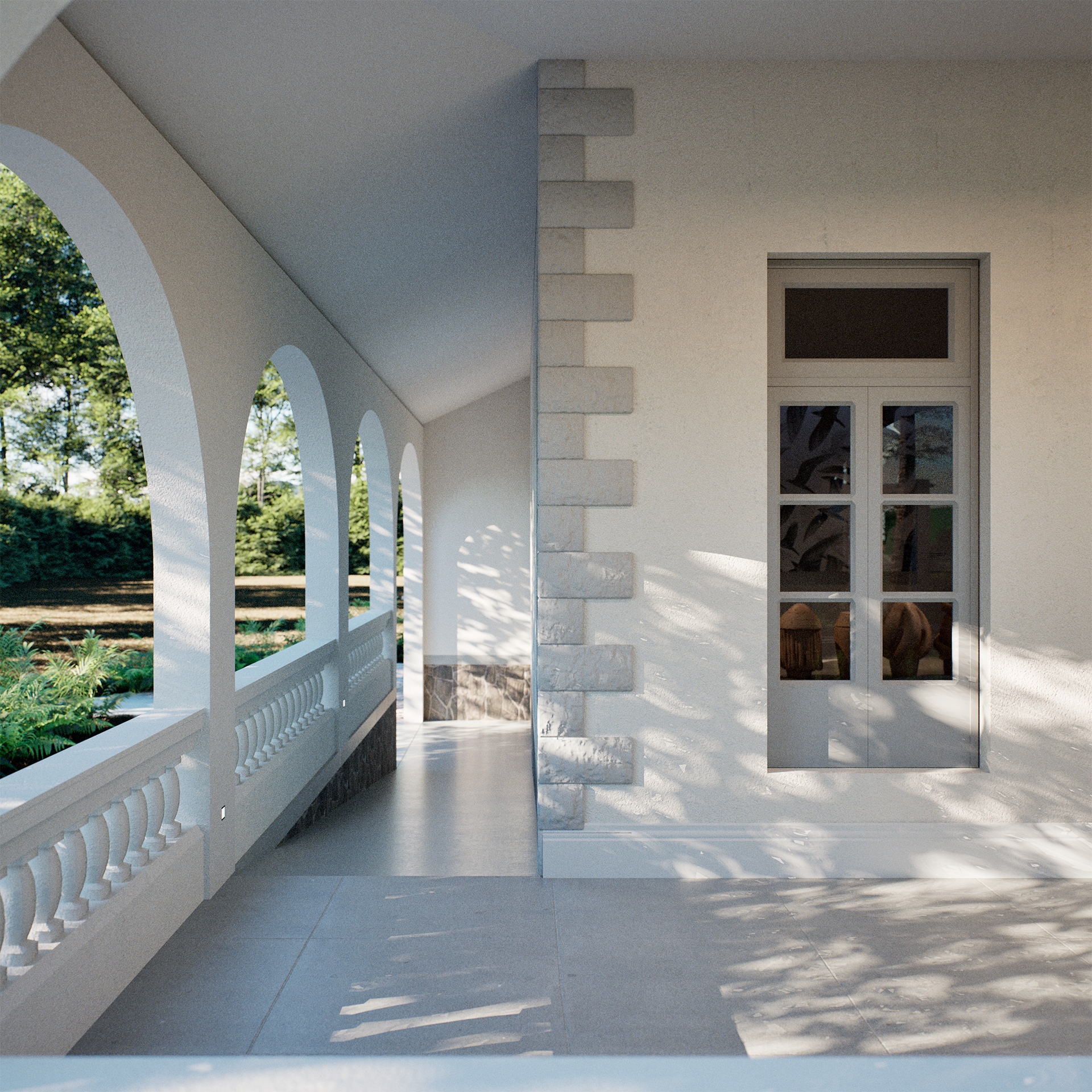
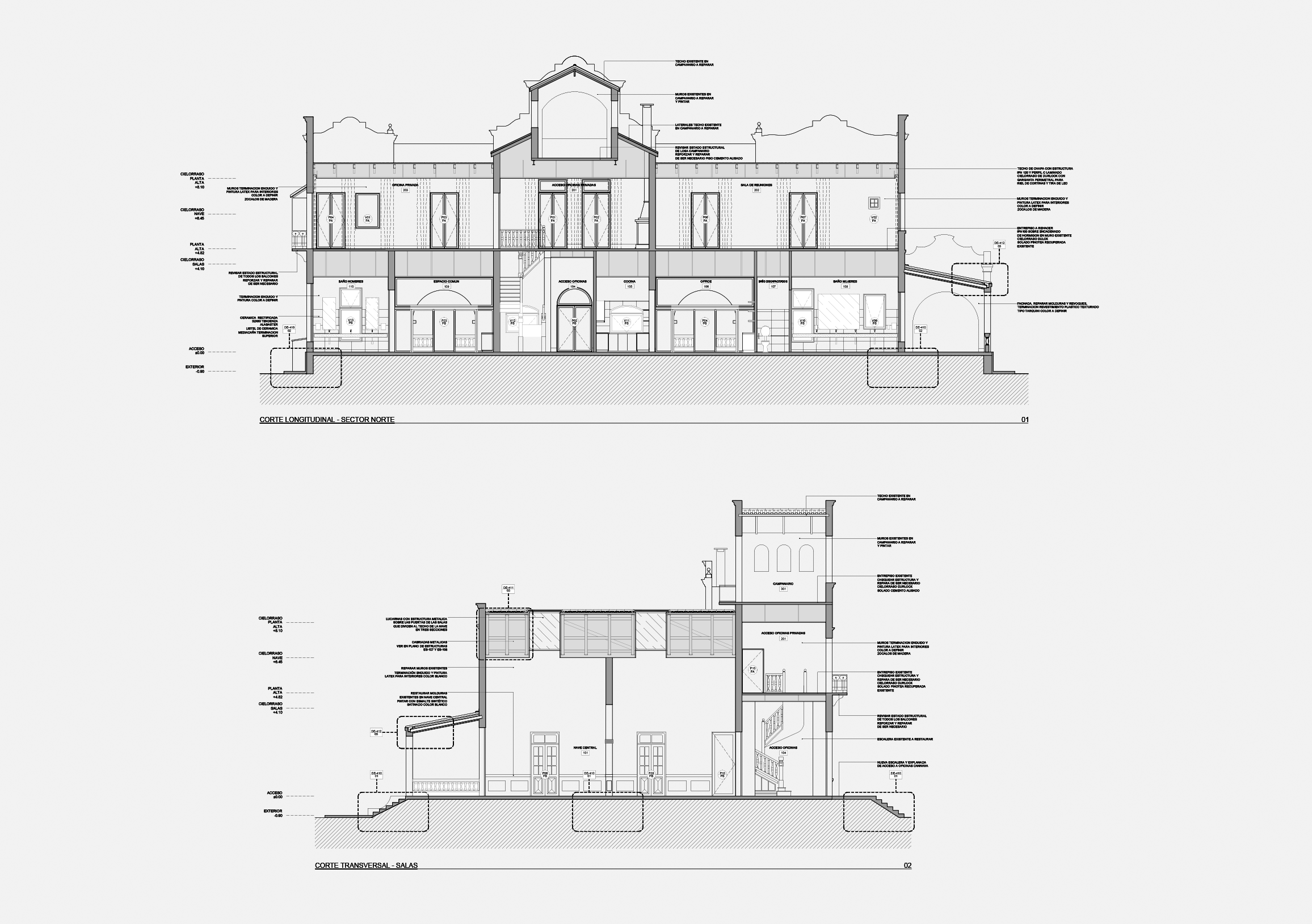
The main objective of the architectural intervention is to recover the space and refunctionalize it without altering its original condition, preserving its strong personality and materializing a new image for the building.
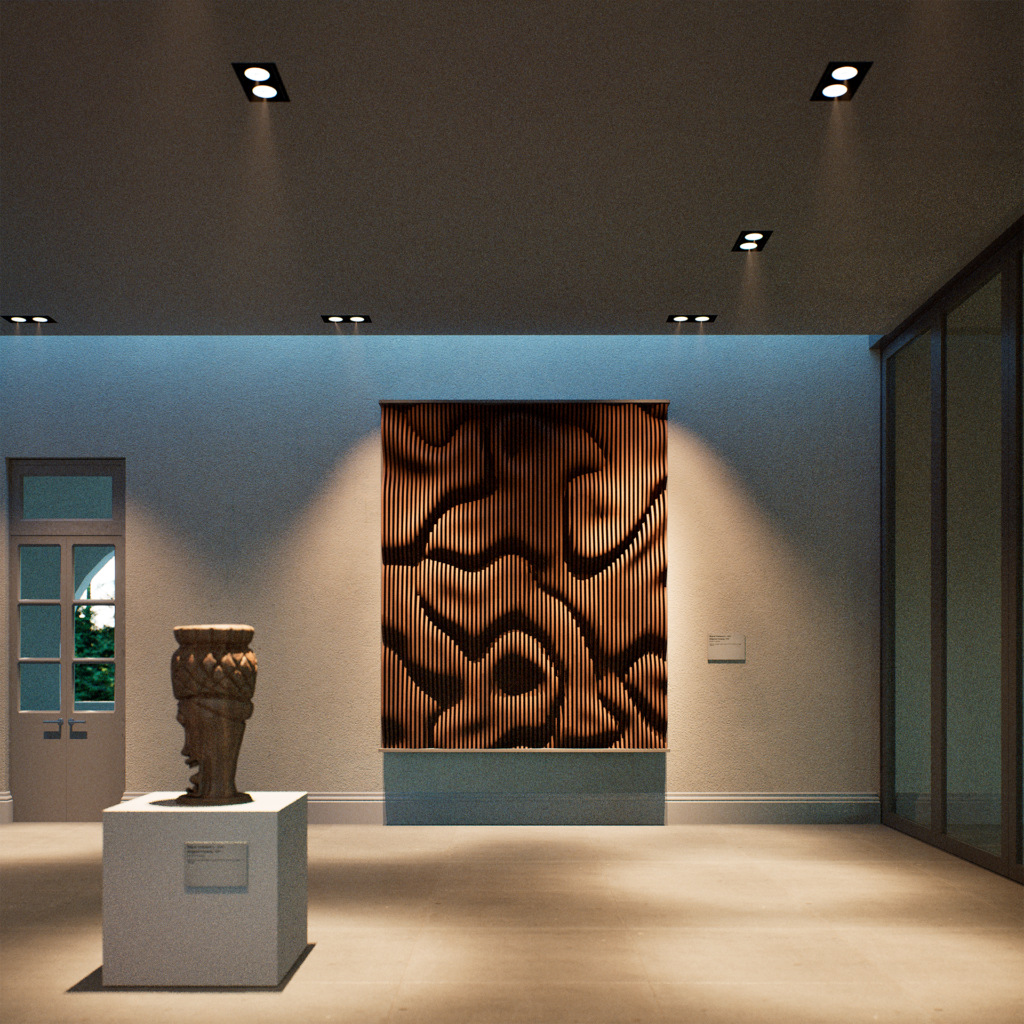
The new uses propose wider and more luminous spaces, such as cooperative work areas and meeting rooms, and require the expansion and relocation of service areas.
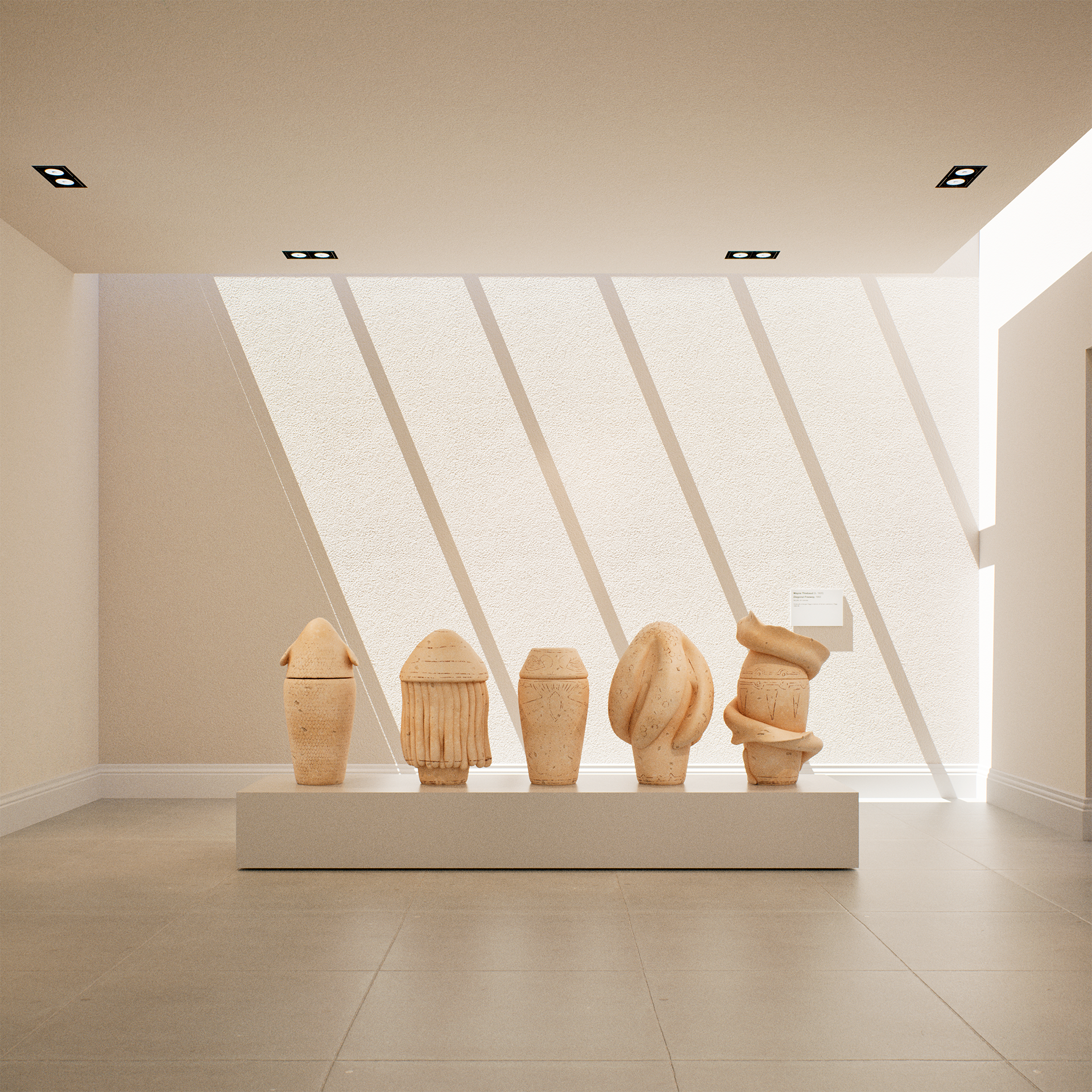
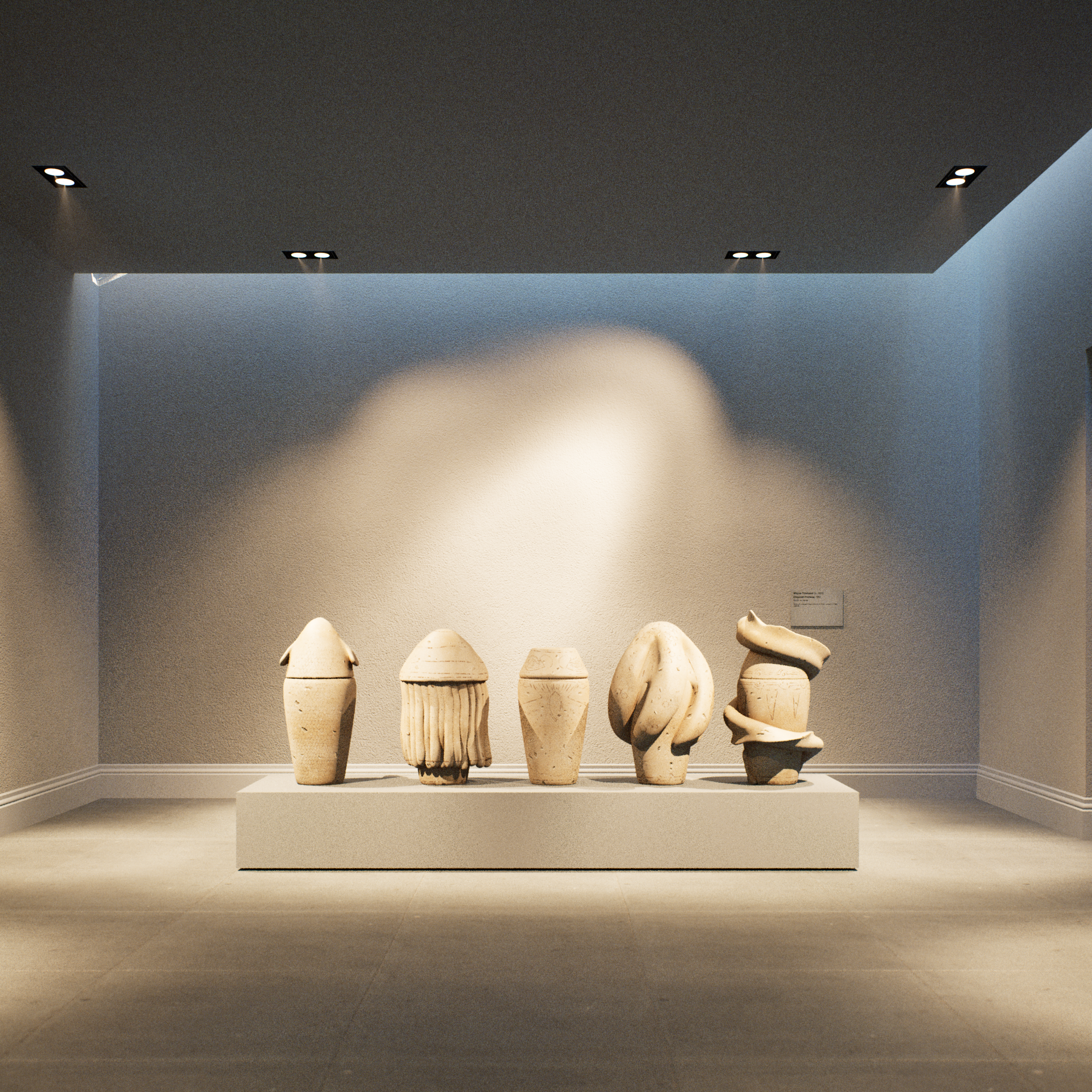
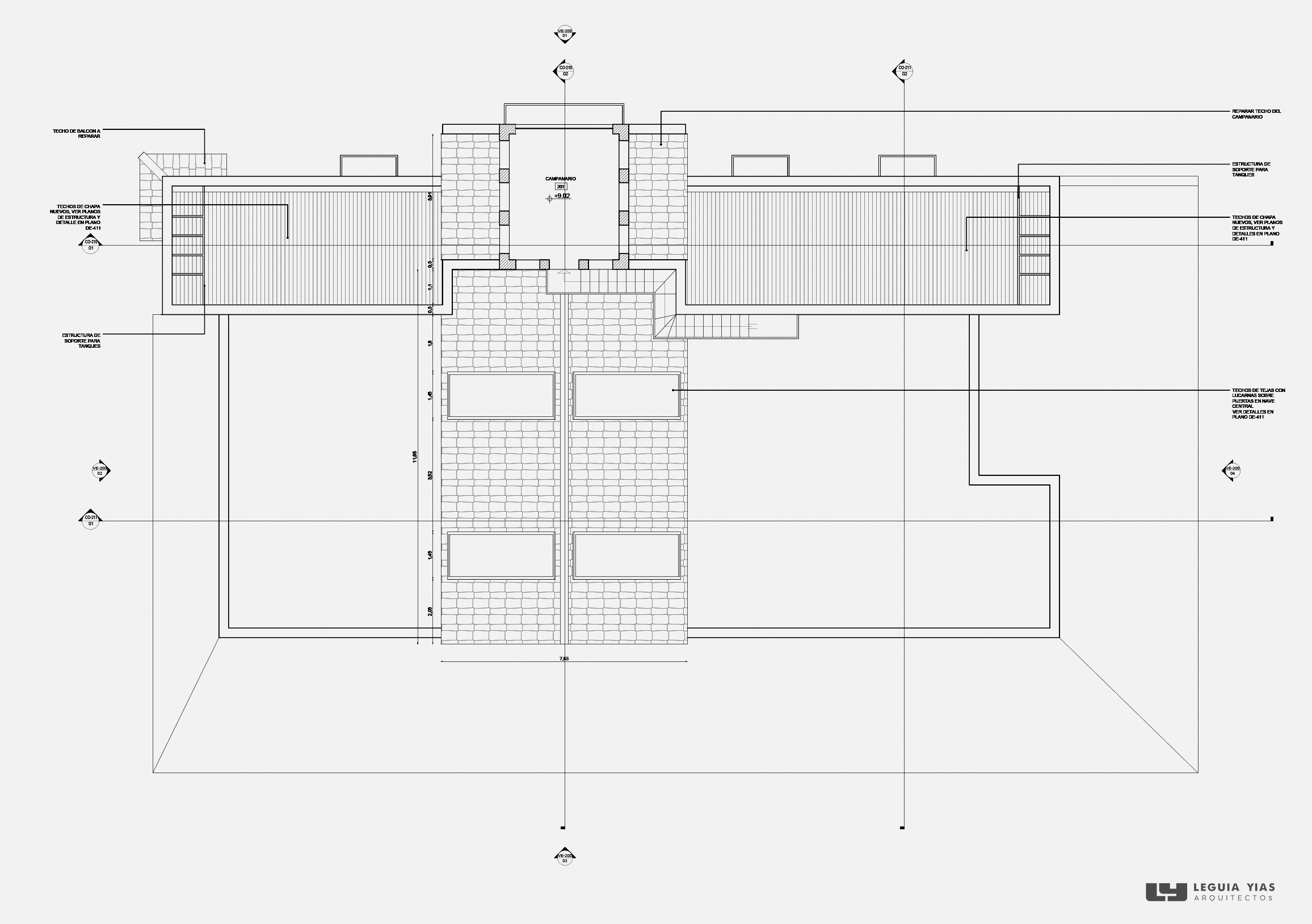
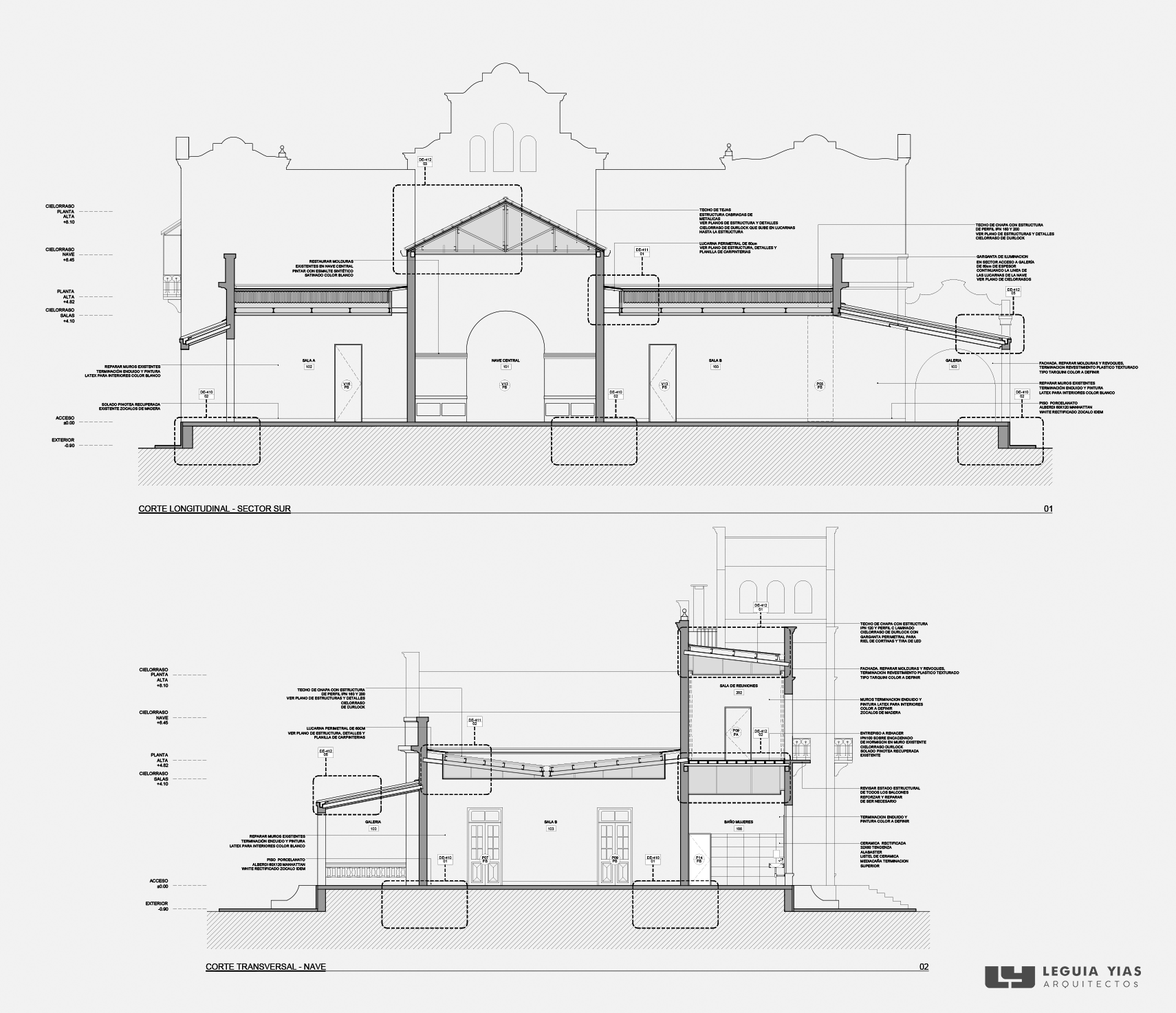
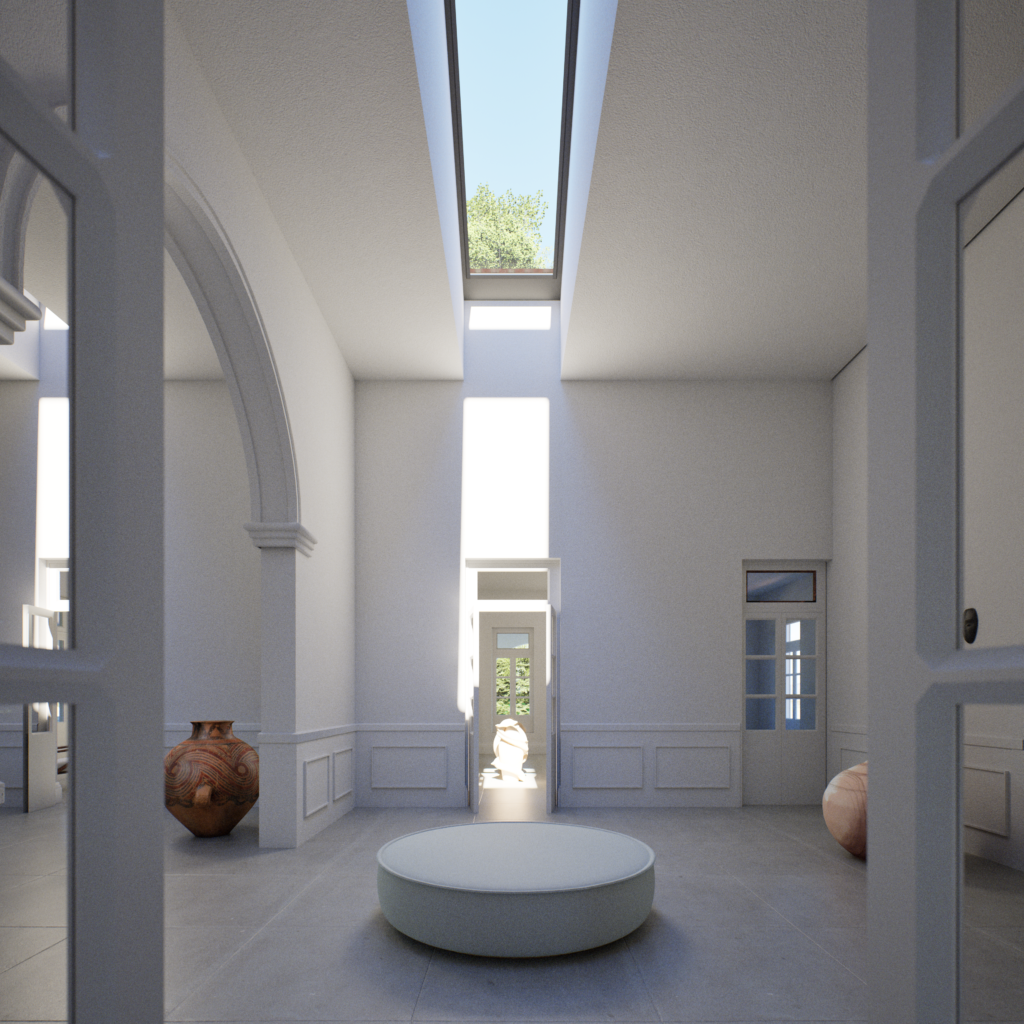
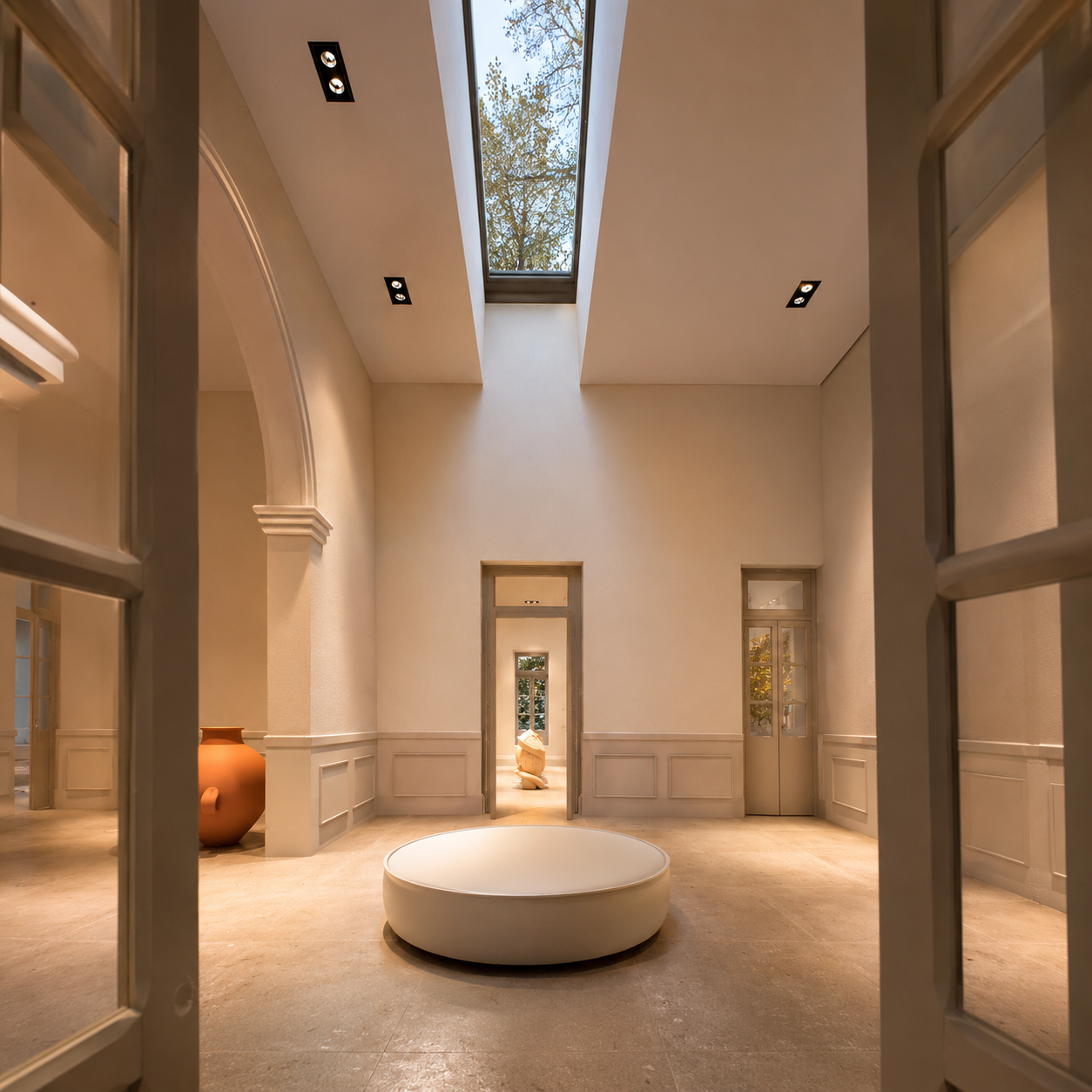
To improve general lighting, new roof openings were proposed, allowing the passage of diffuse light, ideal for work areas. At the same time, these new structures build a modern exterior image that contrasts with the colonial architecture of the building.
Throughout the entire design process, it was necessary to use advanced technology to perform complex dynamic lighting calculations, with the main objective of optimizing the lighting conditions of the new workspace.
The new installation circuit also responds to the efficient use of resources, using solar panels to supply almost all the energy consumed during the day.
The rainwater installation together with the new roofs was designed to capture rainwater and collect it in a reservoir.
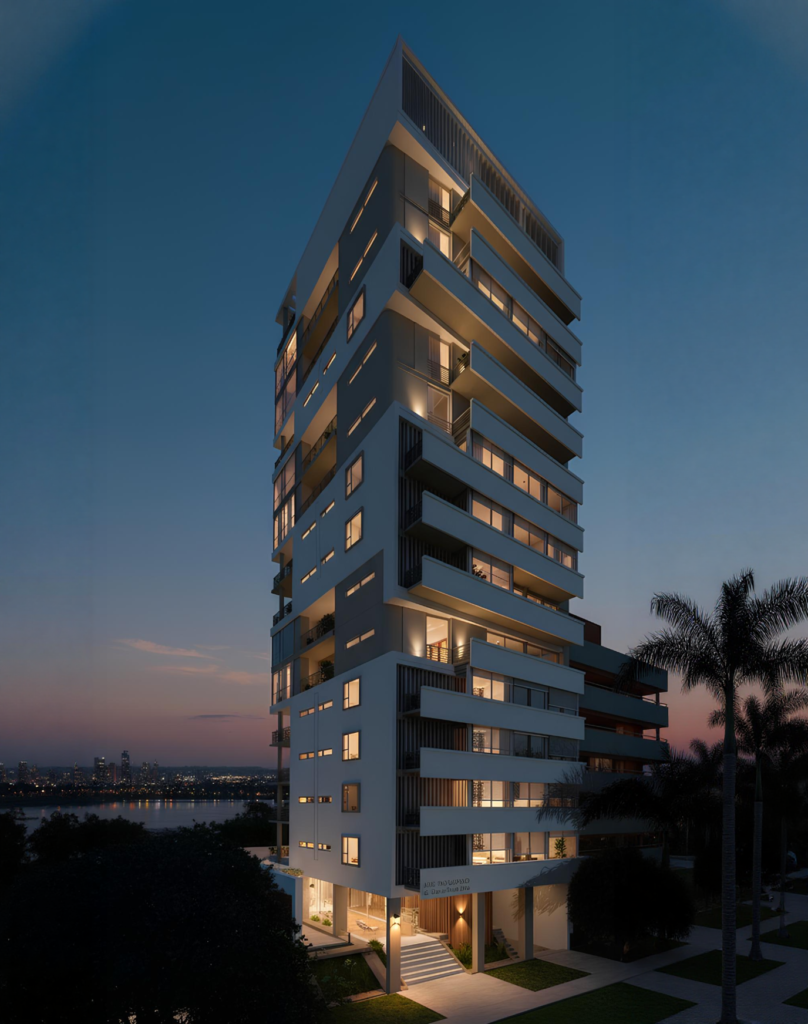
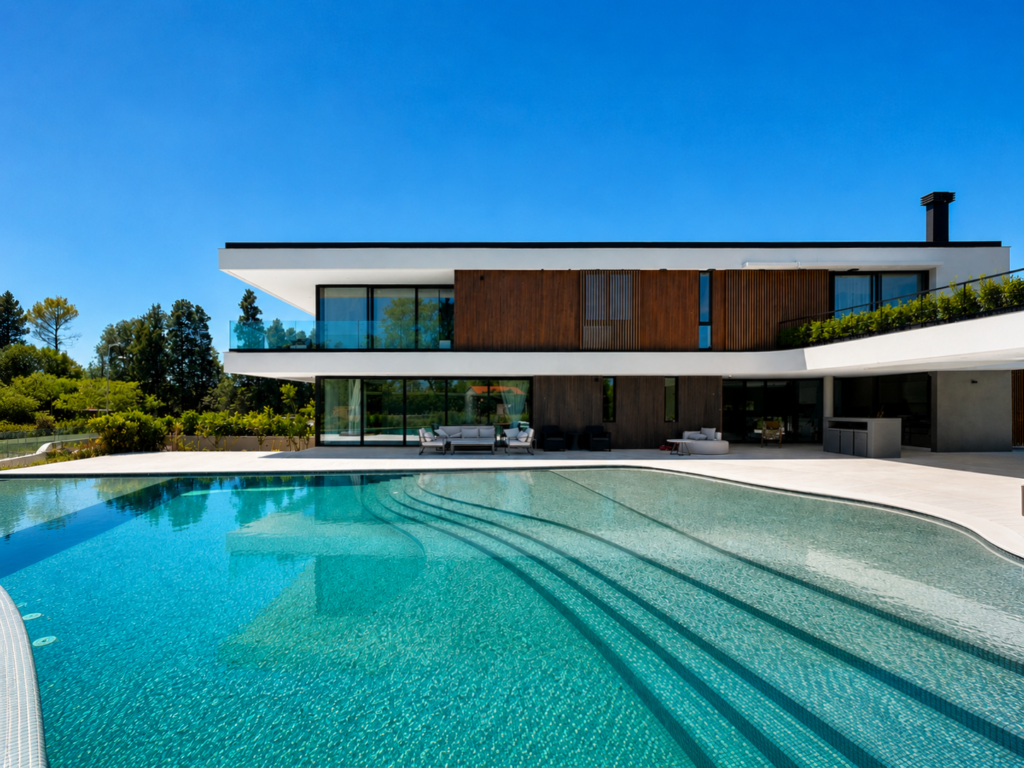
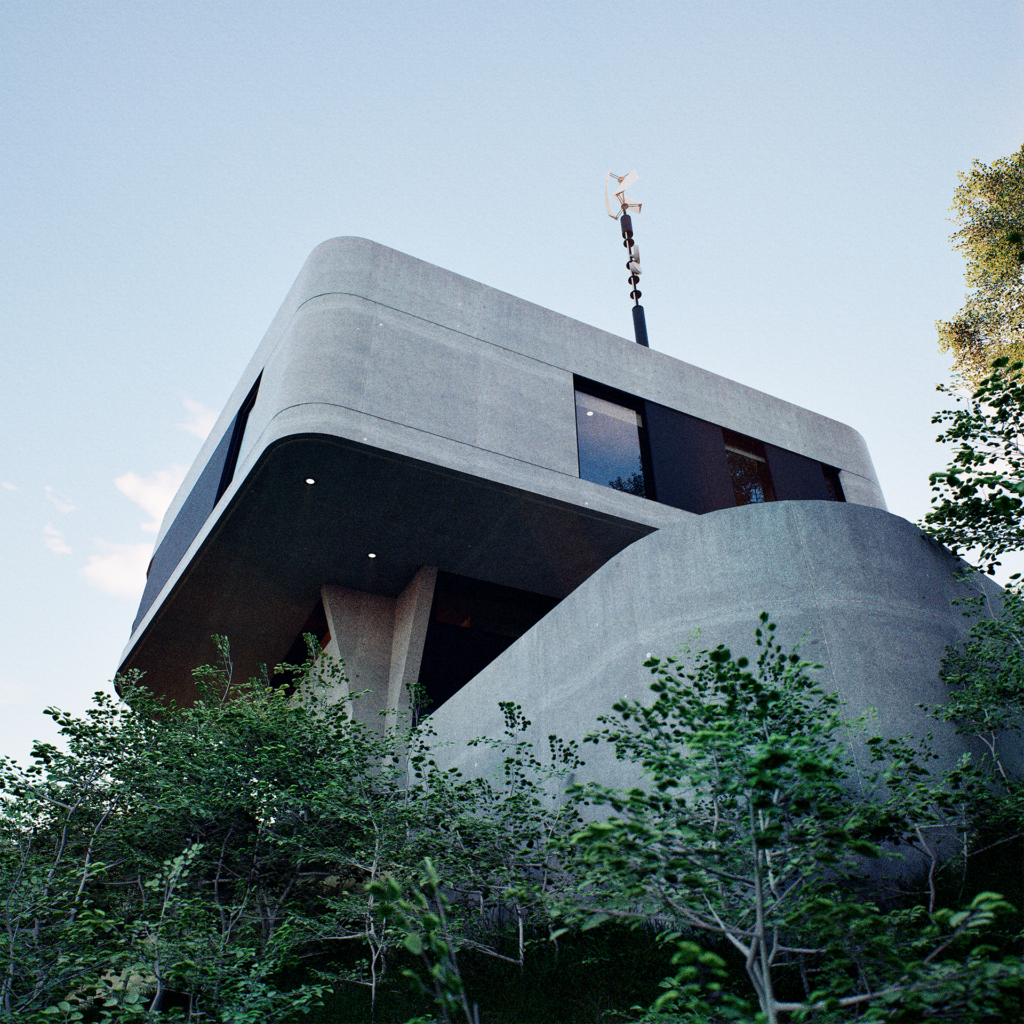
The project also includes the construction of a new building that will serve multiple functions, with a modern and organic design, in contrast with the existing building. Together creating a dialogue between past and future.
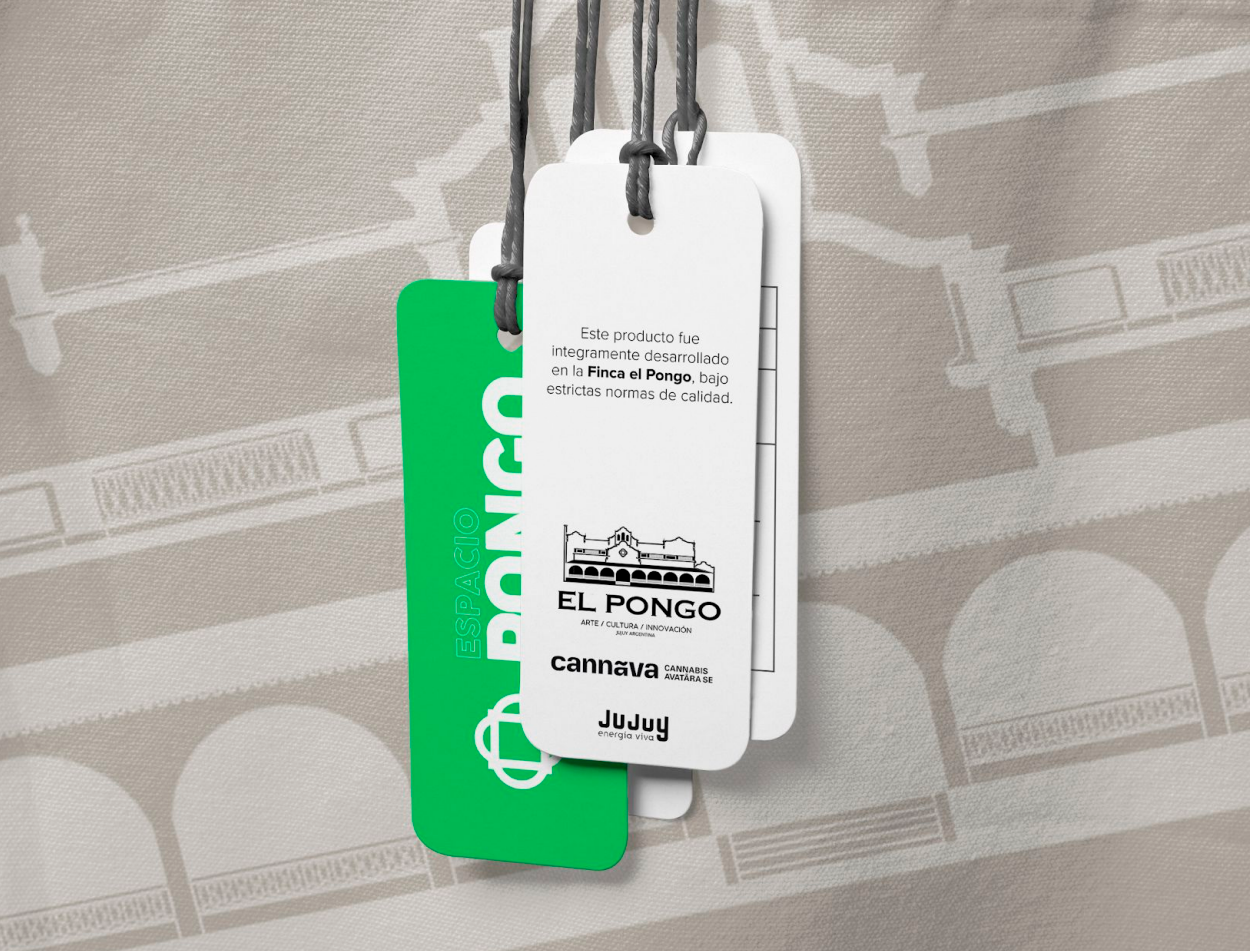
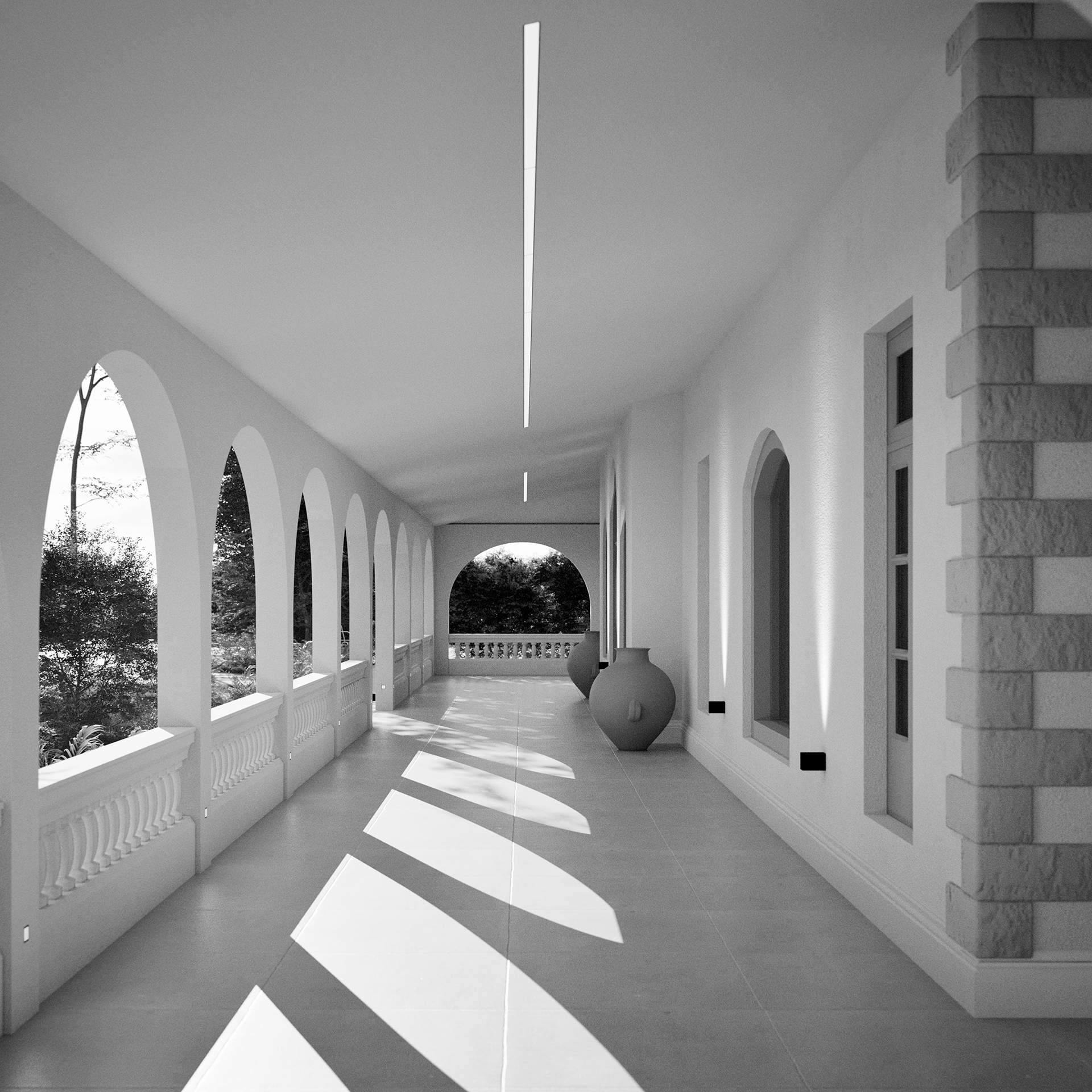
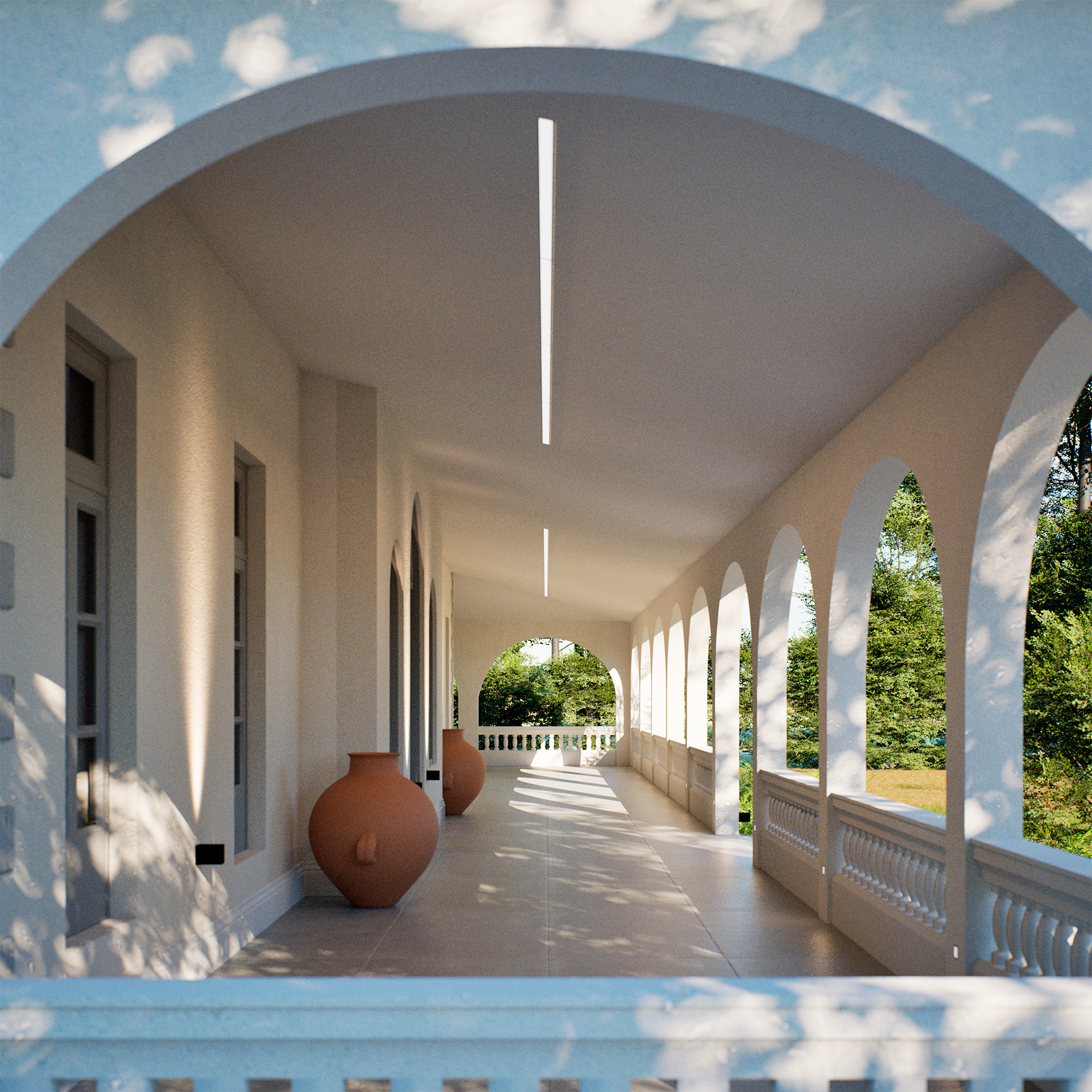
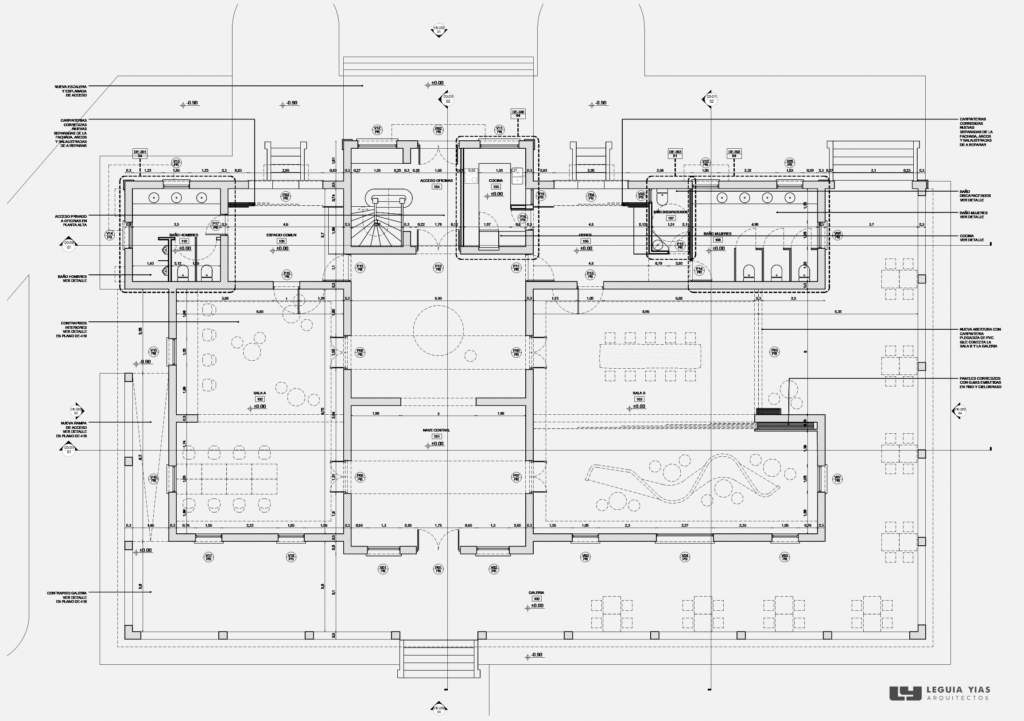
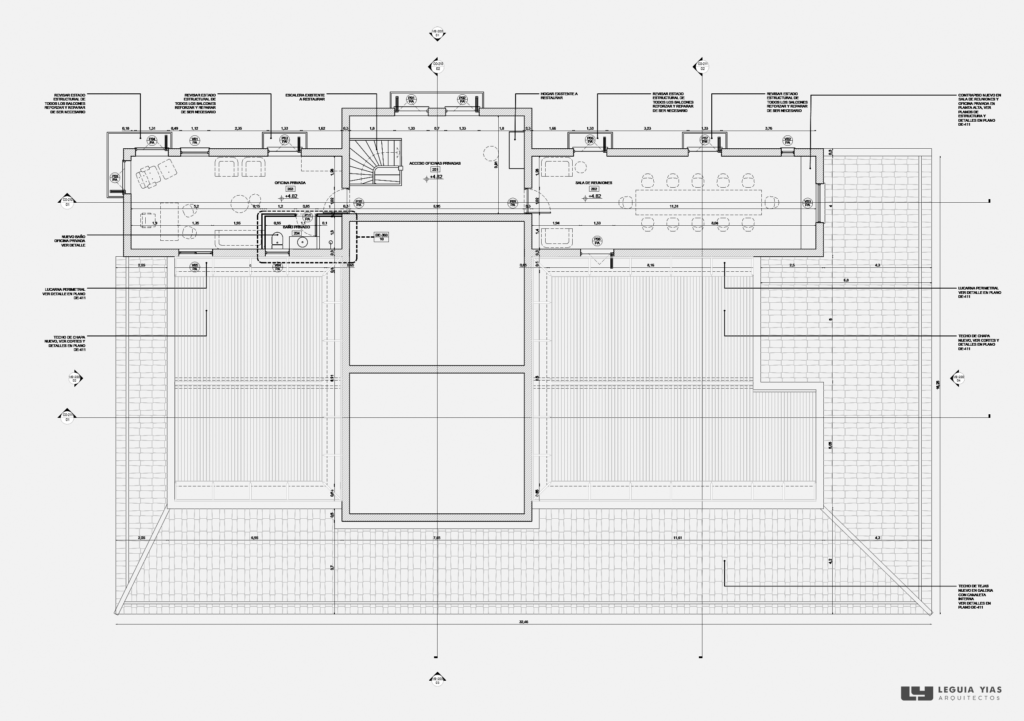
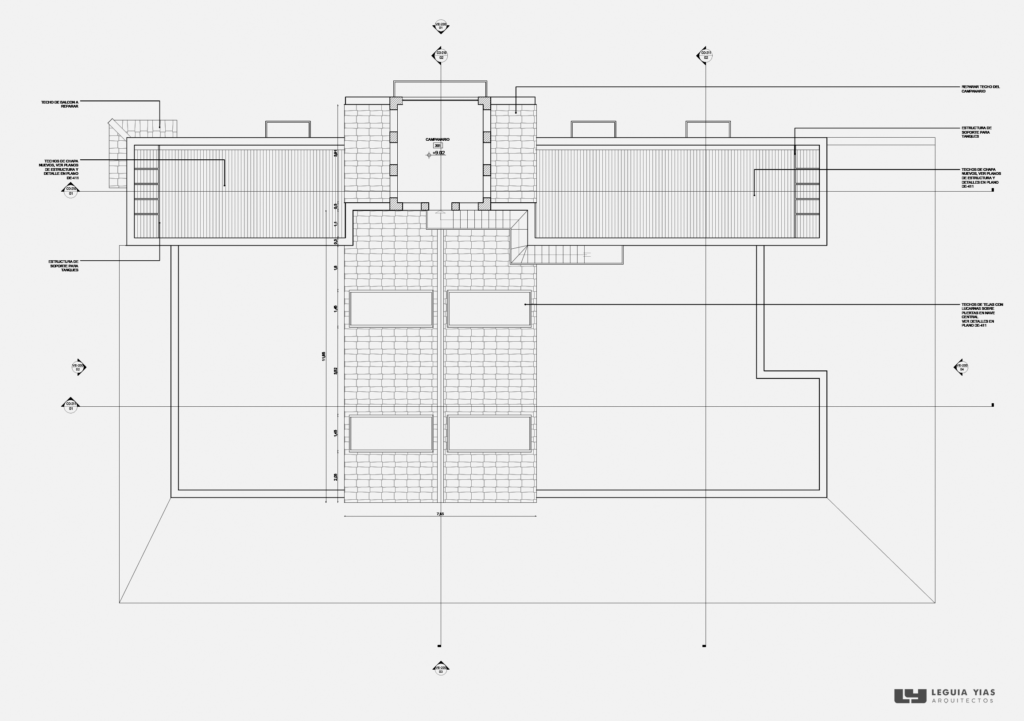
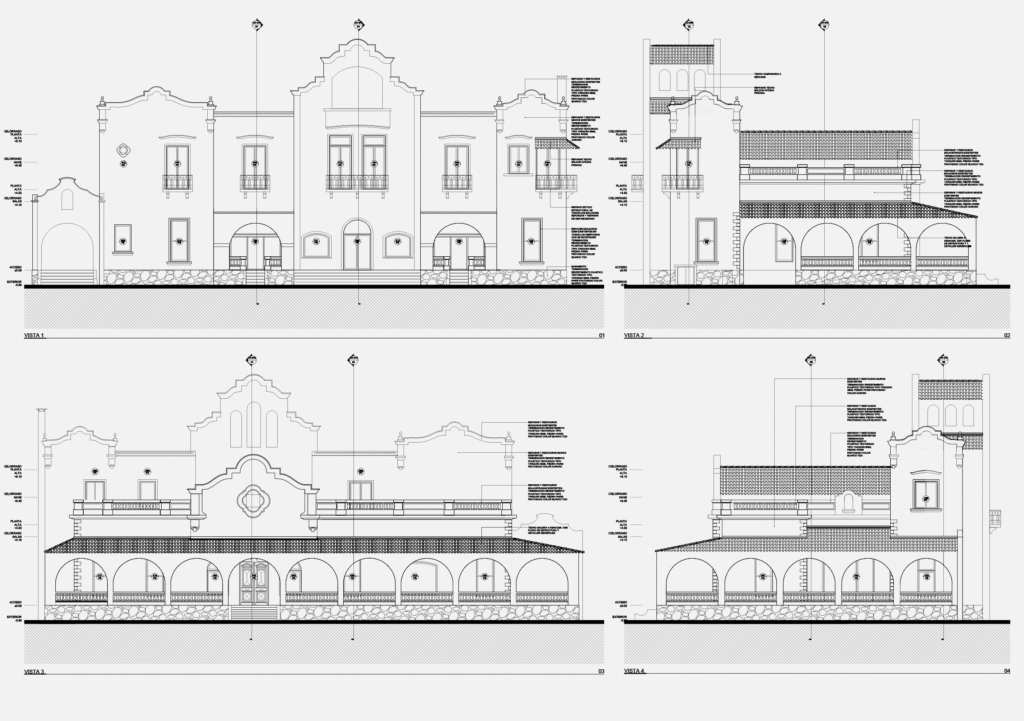
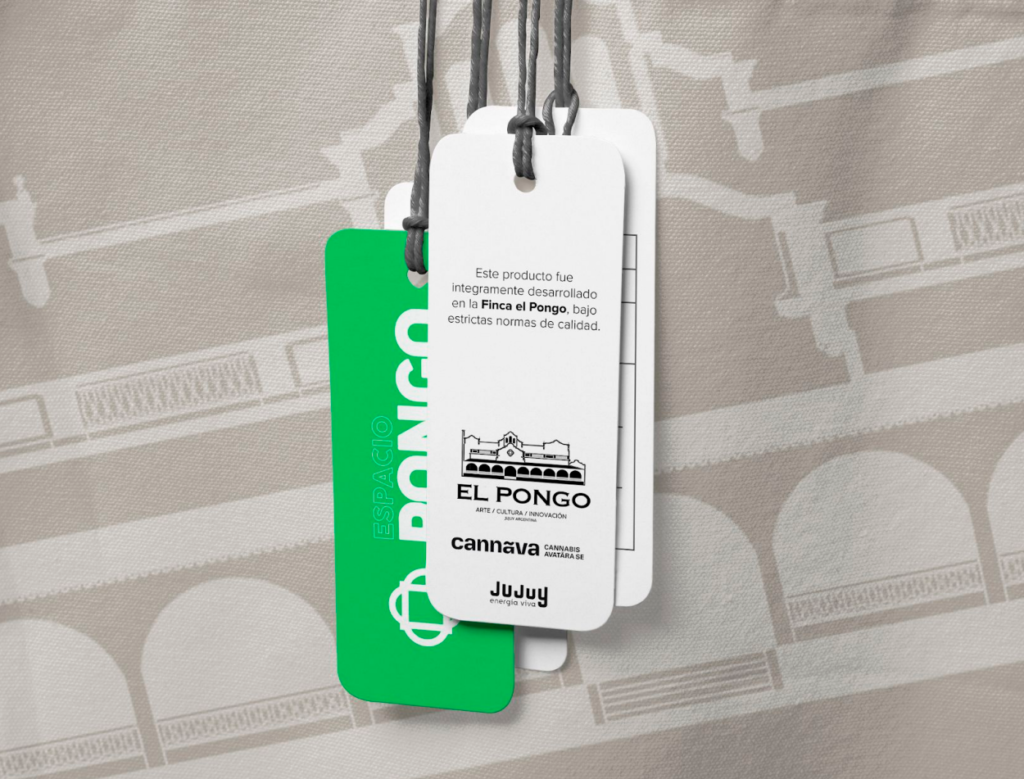
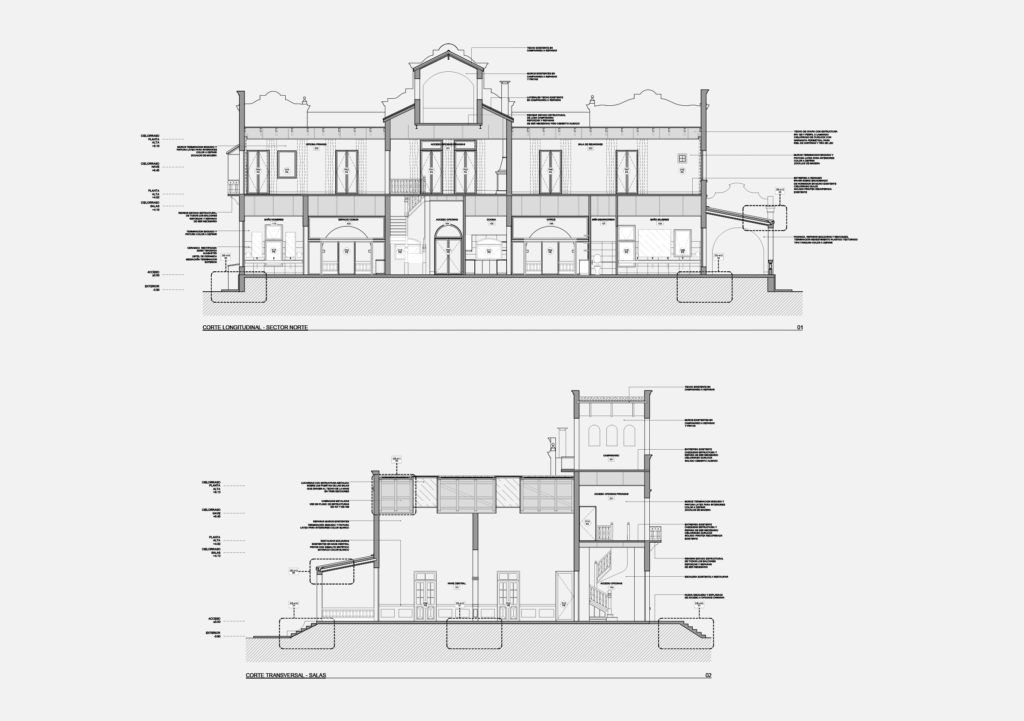
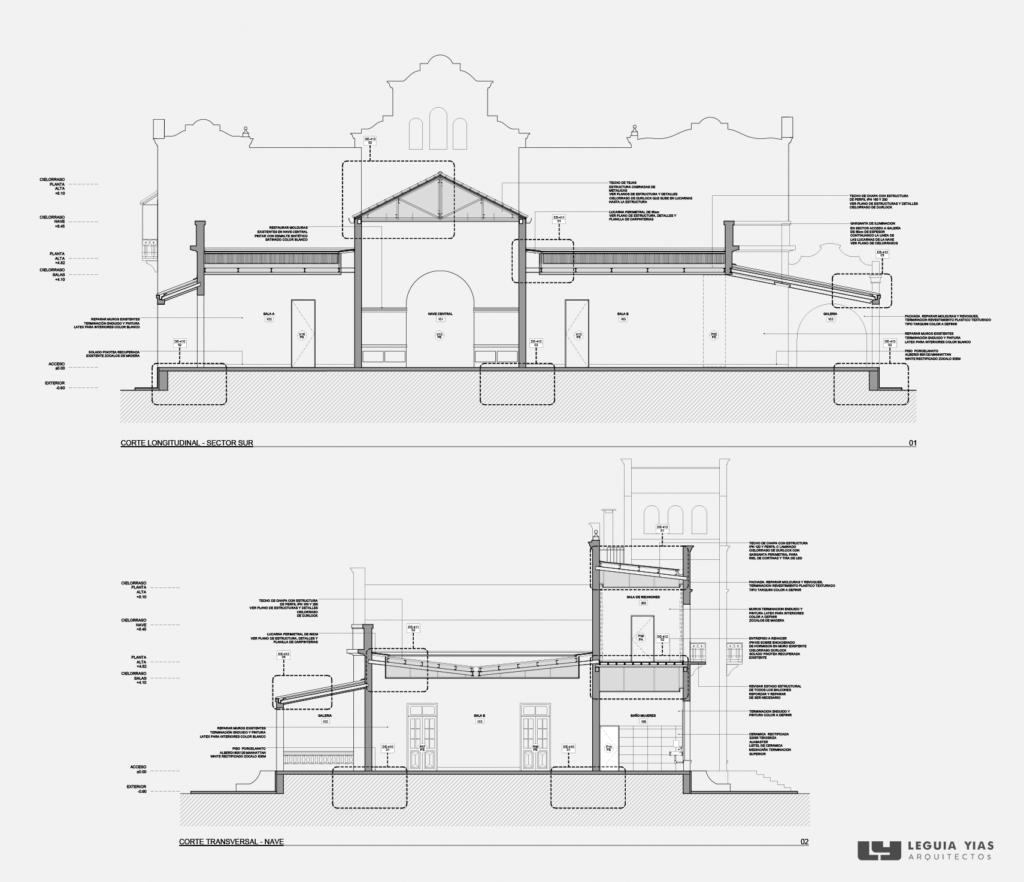
Reciclaje de la sala Plinio Zabala en Finca El Pongo, Jujuy. Diseño Leguía Yias ArquitectosPropuesta de intervención de la sala Plinio Zabala en Finca El Pongo.Propuesta de Marca para los productos de la Finca El Pongo.Reciclaje de la sala Plinio Zabala en Finca El Pongo, Jujuy. Diseño Leguía Yias ArquitectosReciclaje de la sala Plinio Zabala en Finca El Pongo, Jujuy. Diseño Leguía Yias ArquitectosInterior de la Sala Plinio Zabala en Finca el Pongo. Se observa el ingreso de luz superior desde los lucernarios, una intervención delicada y respetuosa con la historia del edificio. Diseño Leguía Yias ArquitectosPlanta de acceso Sala Plinio Zabala. Finca El Pongo, Jujuy Argentina. Proyecto Leguía Yias Arquitectos.Planta superior Sala Plinio Zabala. Finca El Pongo, Jujuy Argentina. Proyecto Leguía Yias Arquitectos.Planta de Techos Sala Plinio Zabala. Finca El Pongo, Jujuy Argentina. Proyecto Leguía Yias Arquitectos.Galería de la Sala Plinio Zabala en Finca el Pongo. Se conservaron todas las piezs originales y el espiritu colonial del edificio. Diseño Leguía Yias ArquitectosGalería de la Sala Plinio Zabala en Finca el Pongo. Se conservaron todas las piezs originales y el espiritu colonial del edificio. Diseño Leguía Yias Arquitectos


 01 / 19